
The Sprawling Wetlands: Finding “Sukoon Ke Pal” in Mumbai’s Sewri Mudflats
Introduction:
Beyond the city’s familiar coastline and green pockets, Mumbai harbors a unique and often overlooked landscape: its extensive wetlands, particularly the mudflats of Sewri. These seemingly barren expanses at low tide transform dramatically with the changing water levels, creating a fascinating environment that supports a surprising array of life. Observing the vastness and subtle beauty of these mudflats offers a chance to find “Sukoon Ke Pal” (peaceful appreciation of a unique ecosystem) in a less conventional Mumbai landscape.
A Dynamic Ecosystem: Understanding Mumbai’s Wetlands
The Sewri mudflats and other wetland areas play a crucial role in the city’s ecology:
- Tidal Influence: Their appearance and character are dictated by the ebb and flow of the tide, revealing vast stretches of mud at low tide and submerging them at high tide.
- Nutrient-Rich Environment: The mudflats are rich in nutrients, supporting a variety of invertebrates and providing a vital feeding ground for migratory birds.
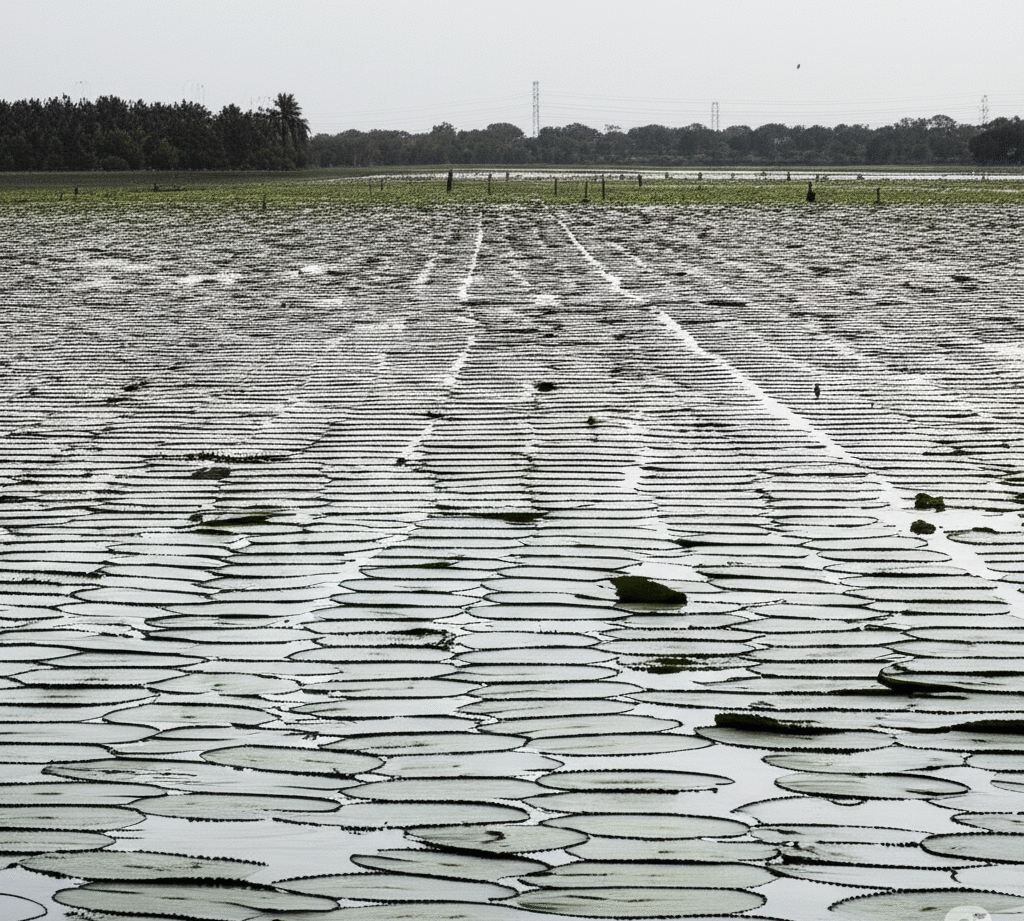
- Unique Textures and Patterns: The exposed mud often displays intricate patterns of cracks, channels, and burrows created by the movement of water and the creatures that inhabit it.
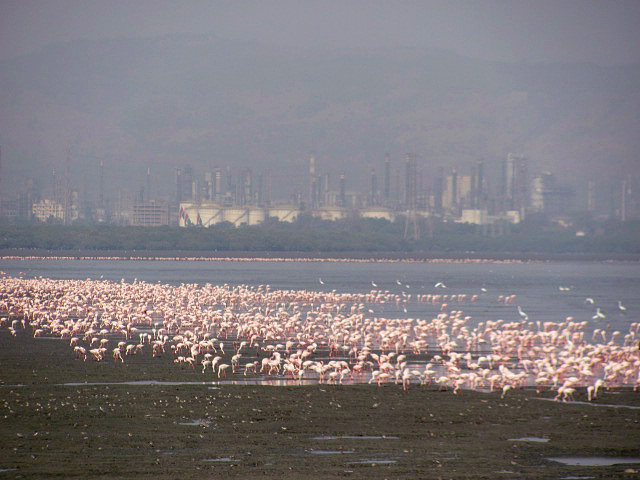
- A Haven for Wildlife: While seemingly desolate at first glance, these areas are crucial habitats for various bird species, including flamingos that flock here during the winter.
A Study in Subtlety: Immerse Yourself in the Mudflat Landscape:
Engage your sense of sight to appreciate the unique beauty of the wetlands:
- The Expansive Mud (Visual): Observe the sheer vastness of the exposed mudflats at low tide, stretching out towards the horizon. Notice the varying shades of brown and grey.
- Intricate Surface Patterns (Visual): Look closely for the fascinating patterns etched into the mud – the lines of dried sediment, the trails of creatures, the small pools of trapped water.
- Reflections of the Sky (Visual): During high tide or in shallow pools, see how the water reflects the sky and the distant cityscape, creating a sense of openness.
- The Distant Green (Visual): Observe the line of mangroves and other vegetation that often borders the mudflats, providing a contrast in color and texture.
Finding “Sukoon Ke Pal” in This Open Expanse:
The seemingly stark landscape of the wetlands can offer a surprising sense of peace:
- Vastness and Perspective: The sheer scale of the mudflats can create a feeling of spaciousness and offer a different perspective on the urban environment.
- Contemplation of Natural Rhythms: Observing the tidal changes and the life adapted to this environment highlights the powerful rhythms of nature.
- Appreciation for Biodiversity: Recognizing the ecological importance of these areas fosters an appreciation for the diverse ecosystems that exist within the city.
Tips for Exploring Mumbai’s Wetlands:
- Visit During Low Tide: This is when the vast expanse of the mudflats is visible. Check tide charts for timings.
- Head to Sewri: The Sewri mudflats are easily accessible and known for their birdlife.
- Bring Binoculars: If you’re interested in birdwatching, binoculars will enhance your experience.
- Observe from a Distance: Be mindful of the delicate ecosystem and observe without disturbing the habitat.
Take a moment to explore the unique landscape of Mumbai’s wetlands. By appreciating the sprawling mudflats, you can discover unexpected moments of “Sukoon Ke Pal” and gain a deeper understanding of the diverse natural environments within our city.
