

A Journey into Stone: Finding “Sukoon Ke Pal” in the Ajanta and Ellora Caves
Introduction:
Nestled in the hills of Maharashtra, the Ajanta and Ellora Caves are not just architectural wonders; they are a pilgrimage into the soul of ancient India. Carved with immense patience and faith over centuries, these cave temples are a testament to the power of human devotion and creativity. Stepping into their cool, silent interiors, you leave the modern world behind and find a unique opportunity for “Sukoon Ke Pal” (peaceful contemplation of a timeless legacy).
The Timeless Tapestry: Why the Caves Are So Special
- A Tale of Two Sites: Though often mentioned together, Ajanta and Ellora are a study in contrast. Ajanta, the older of the two, is a purely Buddhist site famous for its breathtaking murals—masterpieces of ancient Indian painting that depict stories of the Buddha’s life and the Jataka tales. Ellora, in contrast, is known for its colossal sculptures and architecture, housing a harmonious collection of Buddhist, Hindu, and Jain temples.
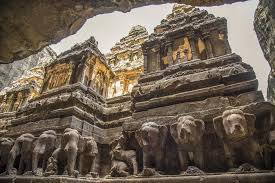
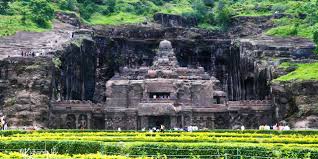
- The Grandeur of Rock-Cut Art: At Ellora, the Kailasa Temple (Cave 16) is a marvel that must be seen to be believed. It is the world’s largest monolithic rock excavation, a full-scale temple carved from a single piece of stone. The sheer scale and intricate detail of this architectural feat are awe-inspiring.
- A Sanctuary of Silence: The caves were designed as a retreat for monks and artisans, and their seclusion from the outside world remains. Walking through the quiet halls, you can almost hear the echoes of ancient prayers, providing a profound sense of peace.
A Sensory Immersion: Engage with the Spiritual Atmosphere:
To truly find peace in these sacred spaces, you must engage your senses with reverence:
- The Absence of Sound (Auditory): The deep quiet inside the caves is a stark contrast to the world outside. Listen to the silence and feel your own thoughts settle into a peaceful rhythm.
- The Glow of a Thousand Colors (Visual): At Ajanta, allow your eyes to adjust to the dim light. The murals reveal themselves in a soft glow, with vibrant, expressive figures telling stories in a palette of natural pigments.
- The Coolness of Stone (Tactile): Feel the cool, smooth surface of the carved walls as you walk through the caves. It’s a tangible connection to the millions of human hands that shaped these monuments.
- Awe and Humility (Emotional): Standing before a grand statue of the Buddha or a detailed panel depicting Hindu mythology, you are filled with a sense of awe at the human spirit and its capacity for faith and creation.
Finding “Sukoon Ke Pal” in Timeless Art:
The key to finding peace in the caves is to allow the art to speak to you:
- Go Slowly: Do not rush. Take your time in each cave, noticing the details in the paintings at Ajanta and the expressive faces of the sculptures at Ellora.
- Focus on a Single Detail: Choose a single carving or a fragment of a painting and contemplate it. Try to understand the story it tells and the emotions it conveys. This mindful focus can be a powerful form of meditation.
- Appreciate the Harmony: At Ellora, observe how the different religious traditions are housed side by side. This ancient harmony is a profound lesson in peace and coexistence.
Tips for Savoring the Experience:
- Plan Your Visit: Remember that Ajanta is closed on Mondays and Ellora on Tuesdays. Plan a two-day trip to see both sites without rushing.
- Hire a Guide: A knowledgeable guide can help you understand the stories behind the art, enriching your experience far beyond just looking.
- Mind Your Footwear: Many caves require you to remove your shoes. Wear shoes that are easy to slip on and off for convenience.
Embrace the serene majesty of these ancient wonders. By mindfully connecting with a journey into stone, you will surely discover your own moments of “Sukoon Ke Pal.”