

The Lake’s Reflection: Finding “Sukoon Ke Pal” in Udaipur
Introduction:
Nestled in the Aravalli Hills, Udaipur is a city that shimmers like a jewel, a masterpiece of royal grace where majestic palaces are mirrored in the tranquil waters of its lakes. Often called the “Venice of the East,” this city offers a unique blend of old-world charm, artistic heritage, and a profound sense of peace. To journey here is to discover a unique sense of “Sukoon Ke Pal” (the tranquil harmony of a royal retreat).
A Canvas of Water and Stone: Why Udaipur Is So Special
- A City of Lakes: Udaipur’s identity is built around its stunning artificial lakes. Lake Pichola, the most famous, is a magnificent expanse of water that reflects the surrounding palaces,
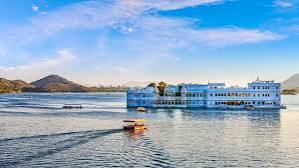
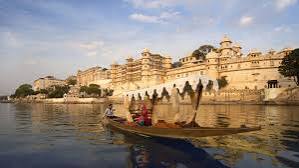
ghats, andhavelis. This unique urban planning creates an atmosphere of timeless romance and serenity that is truly unparalleled. - The Majestic Palaces: The city is dominated by the grandeur of its royal palaces. The City Palace, a conglomeration of courtyards and gardens, stands as a testament to the Mewar dynasty. Meanwhile, the Lake Palace, a brilliant white marble structure seemingly floating in the middle of Lake Pichola, is a sight of ethereal beauty that has inspired poets and travelers for centuries.
- Art and Soul: Beyond its architecture, Udaipur is a living repository of Rajasthani arts. From the intricate detailing of miniature paintings and the ancient craft of
meenakarijewelry to the vibrant folk dances and music, the city’s creative soul is palpable. This blend of artistry and history adds a rich, peaceful layer to the travel experience.
A Sensory Immersion: Engage with the City’s Serenity:
To truly find peace in Udaipur, you must open your senses to its gentle rhythm:
- The Sight of Reflections (Visual): Find a spot on one of the
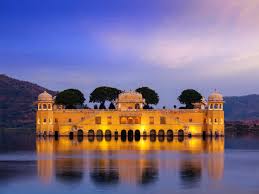
ghatsat dawn or dusk and watch the city come alive on the water. The reflection of the illuminated palaces on the still lake is a sight of surreal beauty. The vibrant colors of localsarisand turbans add a splash of life to the golden hues of the sandstone. - The Sound of Quiet (Auditory): Listen for the quiet ripple of the water as a
shikaraglides by. The city’s noise is muffled, replaced by the distant melody of atablaorsarangifrom a street corner, the soft cooing of pigeons, and the rustle of a cool evening breeze. - The Feeling of Royalty (Emotional): As you walk through the majestic courtyards of the City Palace or sit by a quiet lake, you feel a profound sense of grace and history. This is a place where every stone tells a story of kings and queens, of love and valor, and of a heritage that lives on.
Finding “Sukoon Ke Pal” in a Moment:
The key to finding peace in Udaipur is to embrace its unhurried pace and soak in its timeless beauty:
- A Sunset Boat Ride on Lake Pichola: This is a quintessential Udaipur experience. As the sun dips below the horizon, painting the sky in fiery colors, the palaces light up, creating a truly magical and peaceful atmosphere.
- Find a Rooftop Cafe: Udaipur has a number of beautiful rooftop cafes with stunning lake views. Find a quiet one, order a
chai, and simply sit and watch the city and its reflections for hours. - Wander the Alleys: Walk through the labyrinthine alleys of the old city. You will discover small, traditional houses, hidden
havelis, and quiet corners that offer a glimpse into the city’s soul, far from the tourist crowds.
Tips for Savoring the Udaipur Experience:
- Best Time to Visit: The winter months (October to March) offer pleasant weather and clear skies, perfect for exploring.
- Respect Local Customs: The city is deeply rooted in its traditions. Dress modestly, especially when visiting temples or religious sites, and respect the local culture.
- Engage with Artisans: Visit a local workshop to watch a miniature painting being created or see a potter at work. This direct interaction is a beautiful way to connect with the city’s artistic heart.
Embrace the serene, regal power of this incredible place. By mindfully connecting with the lake’s reflection, you will surely discover your own moments of “Sukoon Ke Pal.”