

Sri Lanka’s Hidden Wilds
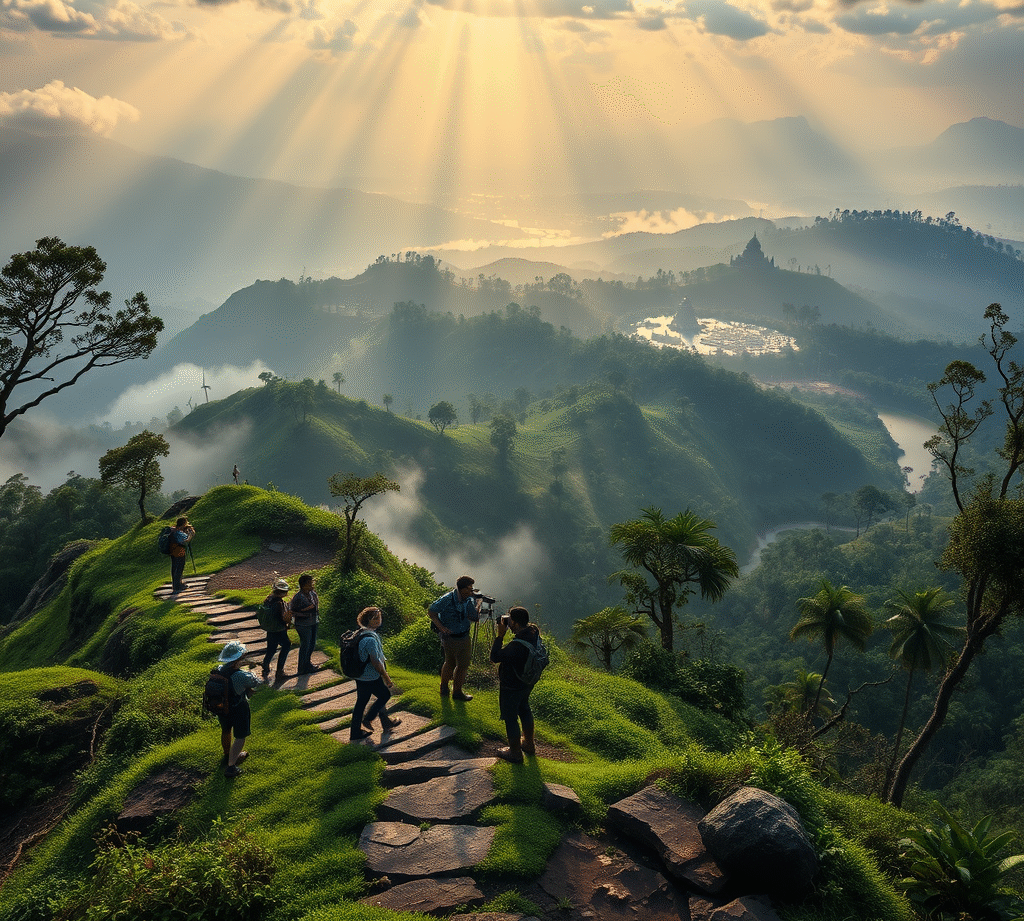
Imagine slipping away from the everyday grind to a place where ancient rituals mingle with secret wildlife discoveries—Sri Lanka delivers that and more. This island packs a punch as a biodiversity hotspot, sharing the stage with India’s Western Ghats, and it goes way beyond its postcard beaches and rolling tea hills. It’s a hands-on lesson in conservation and real adventure. I’ve drawn from my own wanderings and the fresh perspectives of students who’ve delved into its corners to bring you this guide. We’ll explore the wild soul of Sri Lanka, from the fog-shrouded climb of Adam’s Peak to the healing wetlands up north. If you’re an eco-traveler mapping out a hike or just someone who lights up at stories of rediscovered creatures, here’s your sustainable path to the island’s best-kept secrets.
The Magic of Adam’s Peak: Pilgrimage Meets Amphibian Rediscovery
Adam’s Peak, known as Sri Pada, pulls you in with its spiritual pull, but it’s also a front-row seat to Sri Lanka’s delicate highland worlds. Come April, thousands of pilgrims climb those 7,359 steps by the light of a full moon, chasing the sacred footprint—whether it’s Buddha’s, Adam’s, St. Thomas’s, or Shiva’s, depending on what speaks to you. Yet, strip away the devotion, and the Peak Wilderness Sanctuary reveals a gripping tale of life bouncing back: amphibians long thought gone have reappeared.
Back in 2013, researchers in Zootaxa announced the comeback of Kelaart’s Starry Shrub Frog (Pseudophilautus stellatus), missing since 1853. This little frog, dotted with starry spots, belongs to a genus of 77 species—17 of which have vanished. They found it hiding in the Peak Wilderness, confirmed by DNA tests. Tea farms and logging had pushed it to the brink, but pockets of cloud forest, leftovers from when Sri Lanka broke off from the ancient supercontinent Gondwana, held strong.
Spotting Rare Frogs on the Trail
As you hike the pilgrim routes in April, keep your eyes peeled for lively locals like the Saddled Tree Frog (Taruga eques), Dumbara Corrugated Frog (Lankanectes pera), and P. jagathgunawardanai. Snap a photo of their bright vocal sacs puffing up during evening calls, and you’ll sense the fragility here. De Silva’s 2022 field guide points out how updates since 2005 have reshaped frog classifications, spotlighting Sri Lanka’s isolated evolutionary path.
Pro Tip for Eco-Travelers: Sign up for a guided night walk with the Wildlife and Nature Protection Society (WNPS) to see these frogs without bothering them. Skip the flash on your camera, and share your finds on iNaturalist—it’s a simple way to help monitor how climate change affects their numbers.
This mix of soul-stirring climbs and surprising wildlife turns Adam’s Peak into an experience that beats the usual tourist traps.
Northern Narratives: Cultural Revival and Wildlife Wonders
Sri Lanka’s north, marked by years of civil war, is finding its footing again, drawing more visitors who want to connect with its stories. Trips focused on learning in Jaffna, Mannar, and Anuradhapura weave together Tamil traditions, ancient Buddhist sites, and flocks of birds on the move, all set against a backdrop of healing and economic comeback after 2022.
Kick things off in Jaffna, where forts like Jaffna Fort and the battle-worn Pooneryn Fort echo Portuguese and Dutch histories from the 1990s conflicts. Nearby, the calm waters of Keeramalai Springs invite a peaceful soak, and Point Pedro gives you that thrill of standing at the island’s top edge. Head to Mannar for the 800-year-old Baobab tree watching over salt pans alive with greater flamingos in season. But watch for friction—wind farms pushing for clean energy are stirring up worries about bird safety, a classic clash between people and nature.
Swing south to Anuradhapura, where holy spots like Mihintale’s Kaludiya Pokuna—a rock pool tied to Buddhism’s early days—pair perfectly with wildlife glimpses, including elephants near Sigiriya. The Sri Lanka Tourism Development Authority (SLTDA) tracks the influx of travelers, with these northern draws joining favorites like Yala safaris and highland paths.
Educational Insights from Student Expeditions
In 2025, students from the OSC “Northern Narratives” group roamed these areas, jotting down notes on the rebound through on-the-ground surveys. They saw tourism’s two sides: fresh income clashing with the pressure of new roads and crowds. Take Jaffna’s home gardens—they’re struggling with inflation and power bills since COVID.
Actionable Itinerary: Catch a flight to Jaffna and loop through four days—Day 1: Explore the forts and springs; Day 2: Birdwatch in Mannar (pack binoculars for those flamingos); Day 3: Wander Anuradhapura’s ruins; Day 4: Hike Mihintale. Back local families by booking their guesthouses, and log your bird spots on eBird to pitch in with conservation.
This path up north adds layers to your trip, building bridges of understanding and sharpening your sense of the environment.
Highland Treks and Field Studies: Ella, Pekoe Trails, and Socio-Economic Shifts
The Central Highlands, tied to the Western Ghats’ “Sky Islands,” thrum with grassy plateaus, misty woods, and trails scented by tea. Ella draws backpackers like a magnet, showing tourism’s bright spots and rough edges, while the Pekoe Trail—a Sri Lankan twist on the Camino de Santiago—stretches across 21 stages of reflective walks.
Geography students in Ella talked to 58 people at Amba Estate, using tools like Butler’s Tourism Area Lifecycle Model and Doxey’s Irritation Index. What they learned? Crowds have jacked up costs—think guesthouses 30% pricier since COVID—with far-flung spots feeling the pinch most from “distance decay.” Still, people there pivot to growing food at home or leading tours.
On Pekoe Trail stages 9-12, from Haputale to Horton Plains, you’ll catch Black Eagles gliding by, endemic Daffodil Orchids in flower, and Rhododendron arboreum blanketing hills over 1,400 meters. These “sky islands”—cut-off high spots acting like lost ocean realms—brave logging dangers, as maps from shows like “Sky Islands” make clear.
Conservation in Action: Sinharaja and Wetlands
Sinharaja Rainforest, a UNESCO treasure, tells tales of comeback. Clearing out invasive Pinus caribaea pines and adding starter plants has turned worn borders into buzzing ecosystems in just decades. Teams of 35 students checked light levels, nitrates, and pH in test areas, feeding data into Survey123—now boosting species like Lion-tailed Macaques in the nearby Anamalais.
Near Colombo, birdwatching groups with the Field Ornithology Group of Sri Lanka (FOGSL) in Talangama Wetlands scored shots of the rare Slaty-breasted Rail (Lewinia striata). These outings push back against city sprawl, mixing science with simple joy.
Hiking Tips: Try Pekoe Stage 10 from Ella to Rawana Falls—a solid 18km with orchid sightings along the way. Layer up for the ups and downs, and tag along on WNPS tours to hear about shrub frog families. If you’re watching your wallet, camp responsibly or follow trail apps for gentle paths.
These treks shift from plain walks to eye-opening journeys, tackling crowd issues while honoring the island’s grit.
Restoring Sri Lanka’s Rainforests: Lessons from Sinharaja and Beyond
Sri Lanka’s rainforests carry stories of endurance, not just beauty. In this hotspot, montane shrub frogs from the 77 Pseudophilautus species developed alone, but chopped-up habitats spell trouble. Bright spots like Sinharaja’s shift from pine plots show what’s possible: in 20-30 years, cleared zones burst with native trees, drawing birds and animals back.
Students keep watch by measuring tree trunks at chest height (GBH) and posting to iNaturalist, shaping better protections. Next to the Western Ghats, these steps safeguard shared creatures like the Nilgiri Tahr, calling for border-crossing care.
Get Involved: Jump into programs sparked by OSC or WNPS for real restoration work. Share what you see on global platforms, making your visit count for the wild.
Why Sri Lanka’s Wilds Call to Modern Explorers
Sri Lanka’s hidden wilds tie your own search for meaning to the planet’s well-being, whether you’re chasing frogs up Adam’s Peak, soaking in northern rebirths, or finding clarity on the Pekoe Trail. As the economy mends and visitors pour in, challenges like Mannar’s wind projects and Ella’s bustle linger—but so do clever fixes, from community science to thoughtful paths.
For those drawn to eco-travel, it adds up to real plans: northern loops for history, highland rambles for creatures, and apps to make a difference. Step past the shores, and Sri Lanka asks you to move gently, absorb deeply, and give back. Eager to dive in? Check WNPS guides or iNaturalist—your story in this tough, vibrant island starts now.