

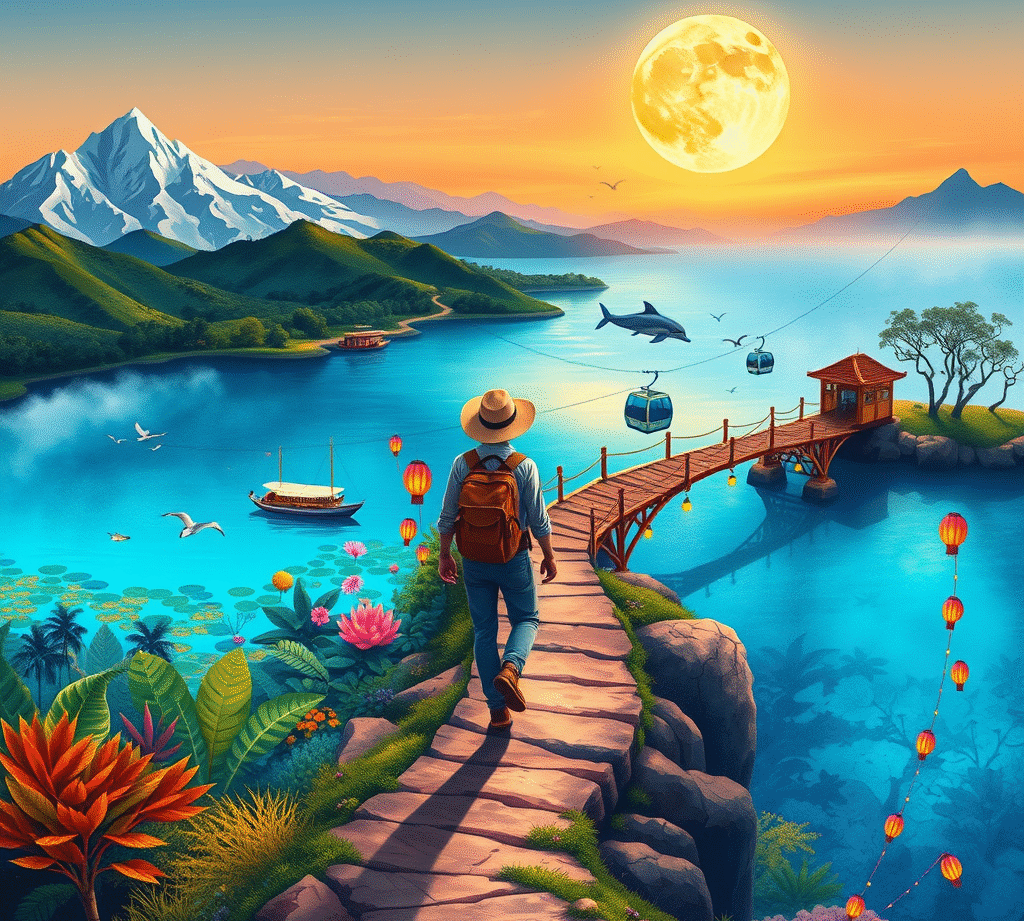
India’s Ultimate Nature‑Tourism Bucket List – From Himalayan Lakes to Tropical Coral Reefs
The Majestic Northern Himalayas – “Heaven on Earth”
| Destination | Best Time to Visit | Highlights |
|---|---|---|
| Srinagar, Gulmarg, Pahalgam | Dec–Feb for snow | Gulmarg’s first‑ever cable‑car glides over white peaks. |
| Dehradun & Rishikesh | All seasons | Yoga retreats, river rafting, and a river that feels like a living breath. |
| Valley of Flowers (Uttarakhand) | May–June, Aug–Sept | UNESCO Park bursting with wild‑flower colors. |
| Spiti Valley (Himachal Pradesh) | June–Sept | Rugged trekking, ancient monasteries, and a gas‑free silence that’s almost sacred. |
Why the Northern Himalayas?
– Lakes that mirror the sky: Lake Pahalgam and Dal Lake look like liquid glass.
– Cultural mash‑up: Buddhist monasteries, tribal villages, and Mughal gardens blend into one.
– Adventure variety: Ski in Gulmarg, trek in Spiti, keep your eyes peeled for Himalayan blue sheep and musk deer.
Insider Tip Picture yourself strolling through the back‑canal of Dal Lake—there’s a spot just a 15‑minute walk from the houseboats where the sky meets the water in a splash of pink. The local fishermen even bring a “rudra” jellyfish for you to admire when sheps your curiosity.
Western Ghats – The Green Arteries of South India
| State | Destination | Distinctive Feature | Season |
|---|---|---|---|
| Kerala | Alleppey (Houseboats) | Backwater canals cradled by coconut palms | Feb–Apr (dry season) |
| Kumarakom (Bird‑watching) | Over 60,000 migrating birds | Monsoon to Jan | |
| Tamil Nadu | Kodaikanal | Blue Lake, cool winters | Winter |
| Kerala | Munnar, Wayanad | Misty waterfalls, tea gardens | Summer & Monsoon |
| Karnataka | Coorg | Coffee plantations, “Scotland of India” | Monsoon & Post‑monsoon |
Hidden Oasis: Kumarakom Bird Sanctuary Beyond the breathtaking *atenora* weaving, the sanctuary hosts a clear freshwater lake that becomes a stage for the Indo‑Pacific waterfowl. Hop on a bamboo skiff and let the sunrise paint the water silver.
Practical Traveler’s Core
| Cost | Visa Tips | Transport |
|---|---|---|
| $50–$120 a day | Single entry 30‑day validity | Bus ‘S’ road head codes |
| ✔ | Gold Visa available | From Coimbatore via *Konkan* bus routes |
Western India – From Salt Deserts to Wild Ass
| State | Destination | What Makes It Special |
|---|---|---|
| Gujarat | Great Rann of Kutch | Salt desert plus the lively Rann Utsav festival |
| Wild Ass Sanctuary (Little Rann) | India’s largest invasive wild‑ass habitat | |
| Rajasthan | Thar Desert, Jaisalmer Dunes | Camel safaris, desert camping |
| Keoladeo National Park, Bharatpur | Bird‑watching, 400+ species |
Rann Utsav: Salt Moon Phase Imagine a salt plain that glows under a full moon—carriooreg starts the dance, Garbate high; you’ll be surrounded by lanterns and Gujarati bhajans that echo across the horizon.
Travel Tip Skip the dry season (Mar–May) when fire‑hot temps make trekking grim. Instead, book June–Aug to catch the festival and use LED lights in accommodations to reduce electricity use.
The Eastern Wilds – Mangrove Mysteries & Royal Mammals
| State | Destination | UNESCO Status | Key Wildlife |
|---|---|---|---|
| West Bengal | Sundarbans | Largest Mangrove Forest | Royal Bengal Tiger, Saltwater Crocodile, Indian Spot‑Billed Duck |
| Assam | Kaziranga National Park | World Heritage | One‑horned Rhinoceros, Asian Elephant |
| Mizoram | Mawlynnong | “Cleanest Village” | Chola lily & Blue Grotto caves |
Sundarbans Expedition Blueprint
**Week 1**
*Day 1‑2: Kolkata → Bakkhali.*
*Day 3‑4: Boat safari through Pandua; spot a tiger stalking.*
*Day 5: Thalakhara boat rides in the wetland.*
Must‑Try A seafood platter from local huts that tastes like the sea itself.
Northeast India – Rain‑Forest Glories
| State | Destination | Cultural Highlight | Natural Wonder |
|---|---|---|---|
| Meghalaya | Cherrapunji & Dawki River | Living Root Bridges | Crystal‑clear river, misty waterfalls |
| Arunachal Pradesh | Tawang | Kanchenjunga sight‑seeing trek | Snow‑capped peaks, Buddhist monasteries |
Living Root Bridge Walk See over a 200‑year‑old *Ficus religiosa* that ties together a bridge. Cross at dawn to catch light filtering through the vines.
Islands & Coastal Marvels – The Blue Escape
| Island Group | Destination | What to Do | Best Season |
|---|---|---|---|
| Andaman & Nicobar | Havelock Island (Radhanagar Beach) | Snorkeling, jet‑skiing | Jan–Apr (dry) |
| Neil Island | Glass‑bottom boat rides | Jan–Apr | |
| Lakshadweep | Mahe Varv | Scuba diving | Oct–Mar |
The Andaman Group hides “India’s cleanest beaches” and a marine ecology that reads like a snorkel textbook. Dive into coral gardens, meet a White Skate, and let jellyfish glitter around you.
Desert & Plains – Surfaces of Sand & Sacredness
| State | Destination | Iconic Spot | Wildlife |
|---|---|---|---|
| Rajasthan | Jaisalmer Desert | Ghevar sand dunes | Desert fox, Kori bustard |
| Madhya Pradesh | Bandhavgarh & Kanha | Tiger‑heavy grounds; Rudyard Kipling’s muse | Tigers, elephants |
Jaisalmer Camel Safari at Sunset Book 45 minutes out; the desert horizon melts into gold as you ride past the sand’s whisper.
Practical Planning Toolkit
| Topic | Best Practices |
|---|---|
| When to Go | Monsoon = waterfall peaks; Winter = clear Himalayan skies; Summer = bustling plains. |
| Permits & Licenses | Map national‑park entry, wildlife safari fees, Rann Utsav registration. |
| Sustainable Travel | Stay in eco‑lodges, reuse water bottles, never feed wildlife. |
| Connectivity | Local SIM for offline maps. |
| Travel Insurance | Include wilderness activities. |
Sample 2‑Week Itinerary (Northern India Focus)
Day 1‑3: Srinagar & Gulmarg Houseboat sunrise on Dal Lake; a night in a melt‑away tent, followed by see‑the‑world cable‑car.
Day 4‑5: Manali & Spiti Valley Trek to Rohtang, explore Lahaul Valley; sleep in a Himachal homestay that tastes like stories.
Day 6‑7: Rishikesh & Dehradun Morning yoga, Ganga rafting, and a Beatles‑ashram stroll.
Day 8‑9: Valley of Flowers & Mussoorie UNESCO park walk at dawn; end with a spa that drinks from the local spring.
Day 10‑12: Jaisalmer & Desert Camping Royal fort, camel sunset, overnight under the desert sky.
Day 13‑14: Back to Delhi
Final Thoughts – The Soul of Nature Tourism in India
India’s natural treasures are more than pretty snapshots; they’re living ecosystems that speak in breezes, birds, and the quiet hum of fish. The best way to honor them is in a mindful, informed, and respectful manner.
* Prioritize conservation: respect no‑touch zones, join local eco‑initiatives, leave no trace.
* Embrace local life: buy from indigenous artisans, taste regional dishes, listen to campfire stories.
* Record responsibly: protect plants, animal homes, and contribute to citizen‑science projects whenever possible.
Key Takeaways
| # | Takeaway | Why It Matters |
|---|---|---|
| 1 | Segment by region | Keeps planning simple and diverse. |
| 2 | Know seasonality | Avoids rain‑killed hikes or heat‑blasted days. |
| 3 | UNESCO sites | Guarantees high ecological or cultural value. |
| 4 | Wildlife & Bird Sanctuaries | Spot rare species in their natural patches. |
| 5 | Hidden gems | True adventure beyond the crowds. |
| 6 | Sustainable habits | Keeps nature vibrant for future explorers. |
Ready to travel?
– Click our free e‑Guide to download a Printable Itinerary Map (public domain).
– Bookmark this post for your next trip.
– Share on social media with #IndiaWildLifeWanderer and tell us which destination is at the top of your list.
Happy exploring!