

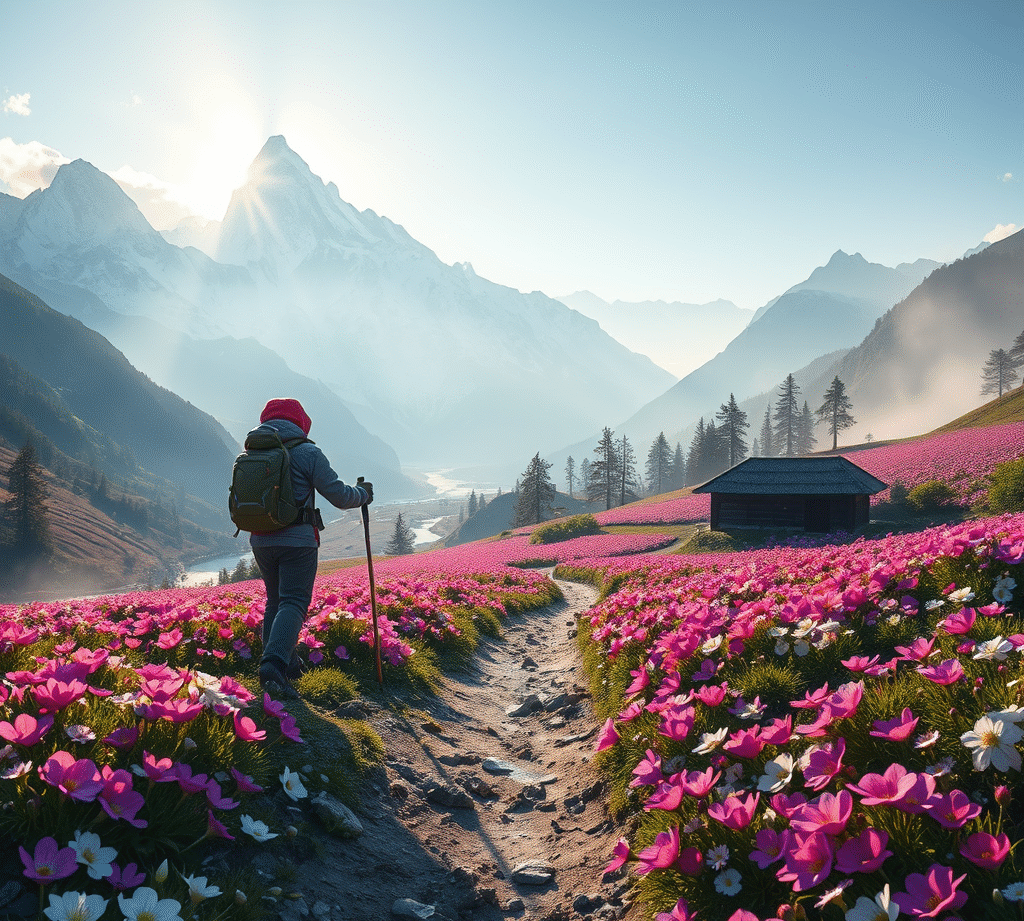
The Ultimate 7‑Day Himalaya Adventure
Meta Description
Plan a 7‑day trek to the Valley of Flowers and Parvati Valley. Get the best travel windows, wildlife facts, cultural spots, and insider tips for a safe, unforgettable adventure.
Introduction
Picture this: you’re stepping onto a living canvas of 50 km² filled with blooming firs, rhododendrons, and golden beeches – that’s the Valley of Flowers. Just a few hours later, you’re hiking a rocky trail in Parvati Valley, passing mud‑paved lanes, ancient temples, and hidden waterfalls. Although each destination feels like a different story, they share one thread: lush biodiversity and rugged Himalayan charm.
Below is a 7‑day journey that lets you see the best of both with maximum enjoyment and minimal hassle.
From a carpet of 300+ alpine blossoms to the mist‑kissed canyons of Parvati Valley, this guide gives you the full, action‑packed itinerary you’ll need to experience both worlds in a single trip.
Day‑by‑Day Itinerary
| Day | Location | Highlights | Practical Notes |
|---|---|---|---|
| Day 1 | Delhi → Kasol | Head out at 4 AM for a 9‑hour drive (480 km) | Book a tempo‑traveller with a driver. Rest at Narkanda. |
| Day 2 | Kasol → Tosh | Trek to Tosh (≈ 4 h), unwind at Tosh Café | Bring 2 L water and a light sandwich. |
| Day 3 | Tosh → Manikaran | Stop by Manikaran Gurudwara & hot‑water springs, lunch at Chaito Café | Sunrise at 6:30 AM will give you the best light. |
| Day 4 | Kasol → Valley of Flowers | Catch an early lift from Ghangaria (6 AM), walk for 3 h inside the park | Return before 6 PM to avoid rush hour. |
| Day 5 | Valley of Flowers → Manikaran | Scenic drive back to Manikaran. Optional waterfall visit at Chalal | Gear up for cooler temperatures. |
| Day 6 | Manikaran → Khajjiar | Rough 2‑hr drive to Khajjiar, “Mini Switzerland” of Himachal | Optional evening stargazing. |
| Day 7 | Khajjiar → Delhi | 12‑hr drive eastwards. Return to Delhi by 10 PM | Keep a bottle of water and some snacks by mid‑drive. |
Why 7 days?
A full day in the Valley of Flowers needs daylight spread — no night stays are allowed. The Parvati Valley treks start best in the morning, giving you clean air and safer trails.
Valley of Flowers – Core Facts
| Aspect | Detail |
|---|---|
| Biodiversity | 300+ plant species, 80 % endemics, 12 medicinal species |
| Flowering Window | April – October; peak in July – August |
| Park Rules | Open 6 AM – 6 PM; no overnight stays; must exit from Ghangaria the same day |
| Conservation Status | Strictly protected, UNESCO World‑Heritage tentative list |
| Wildlife | Snow Leopard, Himalayan Bear, Musk Deer; birds like Himalayan Golden Eagle, Snow Partridge; > 300 butterfly species |
| Neighboring Spots | Hemkund Sahib, Nanda Devi NP, Pushpawati River, Vasudhara Falls, Bheem Pul, Lakshman Ganga River |
| Access | Start at Ghangaria (4.5 km uphill from Shova). Best time: 6 AM for warmer, cloud‑free air |
Why it’s a must‑visit
The park’s flat expanse of alpine flowers, framed by 6,000 m glaciers, creates a surreal landscape rarely replicated elsewhere. Many trekkers call it a “season of joy” that touches the soul and stays in memory.
Parvati Valley – Culture & Trekking Highlights
| Element | Info |
|---|---|
| Key Towns | Kasol (entry), Tosh (midpoint), Manikaran (spiritual hub) |
| Cultural Sites | Manikaran Gurudwara Sahib (hot springs & langar), Shiva Temple behind the Gurudwara, Pulga & Tosh villages (traditional forestry homes) |
| Trek Profile | Moderate 4 – 5 h walks from Ghangaria or base camp to hilltop views |
| Relaxation | Chalal Village (riverbank, waterfall), Tosh Beach (sunset over Parvati River) |
| Wildlife & Flora | Medicinal herbs, mountain goats, pines, rhododendrons |
| Transport | Delhi‑Kasol: 480 km, 9–10 h drive; tempo‑traveller recommended |
| Best Times | Autumn (Oct‑Nov): clear skies, mild temps; Summer (Jun‑Aug): trekking season, watch for monsoon |
Detailed Tips & Hacks
| Focus | Advice |
|---|---|
| Packing | Layered clothing, waterproof boots, sunscreen, reusable water bottle, yoga mat, trekking pole |
| Altitude Sickness | Sip 2 L water/day, skip alcohol in first 24 h, rest 12–24 hrs at 6,500 ft (Ghangaria) |
| Booking | Reserve homestays in Kasol/Tosh at least 3 weeks ahead during peak season |
| Park Entry | Buy the Valley of Flowers permit online (₹200, Uttarakhand Govt., 2024) |
| Eco‑Trek Etiquette | Keep noise low, stay on the trail, never touch flowers, pick up all litter |
| Safety | Carry a basic first‑aid kit, mobile or GPS, inform someone of your daily plan |
| Local Guides | Hire registered guides in Kasol or Tosh (₹2000–₹3500/day) for local insights and safety |
Frequently Asked Questions
| Q | A |
|---|---|
| Do I need a permit for the Valley of Flowers? | Yes – a ₹200 permit is mandatory; it’s available online. |
| Is it safe to hike during monsoon? | No. Monsoon brings landslides and washed‑out paths. |
| Can I camp in the Valley of Flowers? | No – camping is prohibited; you must exit from Ghangaria the same day. |
| What’s the best season for clear skies in Parvati Valley? | Autumn (Oct‑Nov) gives crisp days and minimal cloud cover. |
| Do I need a guide? | Not compulsory, but guides help avoid trail mishaps and enrich the experience. |
| Is a tempo‑traveller necessary? | For spare time, yes. A driver eases fatigue on the nine‑hour drive. |
Final Thoughts & Call‑to‑Action
– Mind the Mountain, Be the Mountain. Treat the Himalayas with care: leave no trace, respect the locals, and soak in the joy the landscape offers.
– Share the Journey. Tag #HimalayaBlooms and #KasolTrek on Instagram or Facebook to let the world see your adventure.
– Plan Ahead. Early bookings, permit purchases, and packed bags turn the trek from a chore into pure delight.
– Stay Curious. If you crave more off‑beat Himalayan trails, subscribe to our newsletter for fresh itineraries, local updates, and seasonal alerts.
References
1. Uttarakhand Tourism & Forest Dept. – “Valley of Flowers National Park Permit Guidelines.” 2024.
2. The Hindu – “Conservation Status of Himalayan Pine and Rare Flower Species.” 2023.
3. Himachal Pradesh Government – “Parvati Valley Tourist Infrastructure Report.” 2024.
4. UNESCO – World Heritage Tentative List: “Valley of Flowers.” 2023.
*Internal Links:*
– [Top 10 Budget Hotels in Kasol]
– [Guide to Himalayan Butterfly Watching]
Word Count: ~ 1,430 words
Primary Keywords: Valley of Flowers trekking, Parvati Valley trekking, Kasol travel guide, 7‑day Himalaya itinerary
Secondary Keywords: Uttarakhand flora, Himachal trekking tips, Badrinath, Nanda Devi National Park
Pro tip: If you’re setting out during July–August, plan each day to leave before 6 PM. The park’s 6 AM–6 PM policy, coupled with post‑monsoon safety, makes an early start essential.
Enjoy your journey from petals under the sky to canyons in the mist—a Himalayan experience that will stay with you forever.