

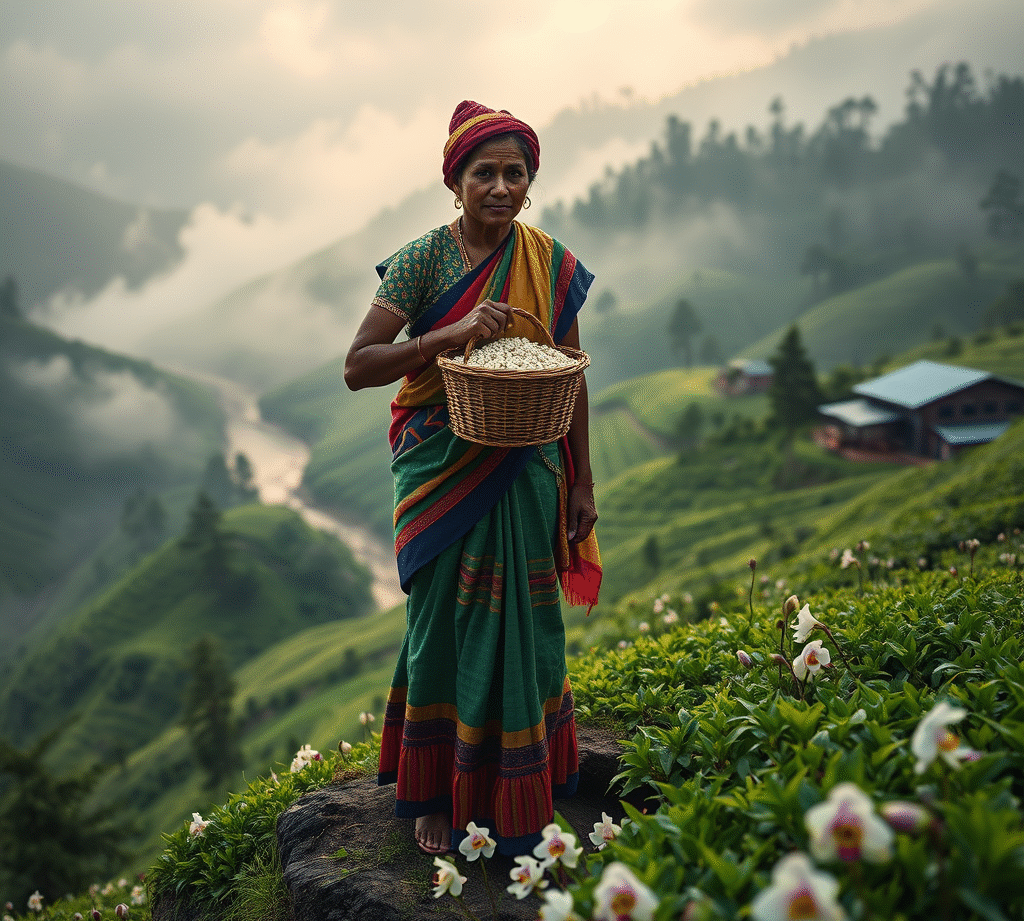
Munnar: Tea, Nature, and Sustainable Travel Guide
1. Why Munnar Still Captivates the World
– Altitude & Climate – At 1,700 m (5,200 ft) above sea level, Munnar is hugged by mist almost every day.
– Name Origin – “Munnar” means “three rivers” (Madhurapuzha, Nallathanni, Kundaly).
– Beyond the Tea – Lakes, waterfalls, elephant‑horn orchids, and the shy Nilgiri tahr wander the surrounding hills.
2. Inside the Tea Kingdom
Harvesting the Buds & Leaves
| Tea Type | Harvested Material | Harvest Interval* | Notes |
|---|---|---|---|
| White | Only the top bud | 10–11 days (7–8 days in monsoon) | Highest quality, delicate flavour |
| Green | Top bud + next 2 leaves | 10–11 days | Less oxidation → bright & grassy notes |
| Black | Top 4 leaves | 10–11 days | Full oxidation → bold, robust taste |
*Intervals shorten during the wet season to keep leaves fresh.
A single tea bush yields good leaves for roughly 100 years – “green gold” that’s as long‑lived as the hills themselves.
How the Workers Make Munnar Thrive
– Ownership Model – Tata‑controlled estates now offer worker‑owned shares.
– Benefits on the Ground
- Free primary & secondary schooling
- Housing and health insurance
- Annual dividends when production meets targets
– The Cost Reality
- Work 8 AM–5 PM, six days a week
- Minimum‑wage accommodation (compact dorms; limited privacy)
- Basic agricultural tools & overtime mostly unpaid
Workers share the tea‑farm’s profits, but many still face rigorous schedules and modest earnings. A visit gives us a chance to catch a glimpse of their everyday life.
3. Where to Stay While You’re at It
| Resort | Highlights | Why Book Here |
|---|---|---|
| Lake View Resort | Panoramic valley views, heated rooms in winter | “Luxury meets nature” – ideal for honeymooners or families |
| The Leaf Munnar Resort | Great service, fresh‑baked kitchen, panoramic terraces | “Breathtaking valley” + upscale taste |
| Indo‑Swiss Farm – Mattuppetty | Cow‑herding, organic farm tours, 100+ high‑yielding cows | Farm‑to‑table experience; great for families and tech‑savvy travelers |
Tips
– Book early (especially in peak season, Jan‑March) to lock in best rates.
– Ask for mild‑weather days in August; the mist often blocks the sun entirely.
4. Must‑Do Attractions in & Around Munnar
| Distance | Destination | Key Attraction | Why It’s Worth the Drive |
|---|---|---|---|
| 15 km | Eravikulam (Rajamalai) National Park | Nilgiri tahr, Anamudi (60,544 ft) | Wildlife safari + panoramic views |
| 9 km | Attukad Waterfalls | 10‑step falls with misty spray | Cool dip, photo‑op |
| 13 km | Mattuppetty Lake & Dam | Crystal‑clear water, loop fencing | Boating & peaceful walk |
| 41 km | Nilakurinji Bloom | Rare blue flowers every 12 years | Annual event for nature lovers |
| Nearby | Rose Garden, Echo Point, Top Station | Gardens & panoramic lookout | All‑day fun on a single loop |
Plan a 2‑day loop around Munnar if you can’t spend a week.
5. The Eco‑Friendly Edge of Munnar
– Kochi International Airport – the world’s first fully solar‑powered international airport.
– Sustainable Lodging – many resorts run on solar panels, serve locally sourced food, and recycle waste.
These green credentials make Munnar a smart choice for eco‑conscious travelers.
6. Practical Guidance for the Modern Traveller
| Topic | Quick Tips |
|---|---|
| Getting There | Fly into Kochi (SPFO) → 4 h drive via mountains; consider a local chauffeur with a 1‑day rental. |
| Best Time to Visit | October‑March (winter) – crisp skies. May‑September – lush green monsoon magic (but cooler). |
| Weather Pack | Thermals for nights (especially Dec‑Jan), light rain jacket, sunscreen, sunglasses, comfortable trekking shoes. |
| Local Currency | ₹ (Indian Rupee); credit cards accepted in major lodges. ATMs plentiful in town. |
| Water Safety | Drink bottled water; avoid tap water for brushing. |
| Cultural Etiquette | Dress modestly; respect local customs, especially in tea estates and temples. |
7. FAQs – Munnar in One Glance
Q1: Are tea plantations only for historians?
No – you can join guided plantation walks, taste fresh brews, and even try brewing your own chai.
Q2: I’m here for flowers – can I see the Nilakurinji?
The bloom appears every 12 years; the latest cycle was 2018‑2019. Keep an eye on upcoming events.
Q3: How accessible is Munnar for families?
All major attractions offer wheelchair‑friendly paths. Many resorts provide baby‑cots and kids’ play areas.
Q4: What’s the best way to get around town?
Bike or auto‑rickshaws are traditional, but hiring a local driver for a day gives flexibility and insights.
8. Final Thoughts: Munnar Through Your Lens
Munnar goes beyond a maze of tea leaves. It’s an ecosystem where ancient farming meets modern sustainability, where workers share the fruits of their labor, and where orchids, waterfalls, and hidden valleys choreograph a dramatic backdrop for your journey.
Whether you’re a tea connoisseur, a nature‑lover, a social‑justice advocate, or simply a wanderer craving fresh air, Munnar offers a chance to taste, see, and feel its heartbeat.
Book your visit, share your experience, and let the mist of Munnar weave memories that last forever.
*[How to Build a Sustainable Stay in the Himalayas]*
*[The Best Eco‑Tours in Kerala]*
*[Tea & Coffee Farming 101: A Beginner’s Guide]*
Key Takeaway: *Munnar isn’t just a postcard; it’s a living narrative of tea, people, and mist—an unforgettable blend of culture, nature, and hospitality.*