

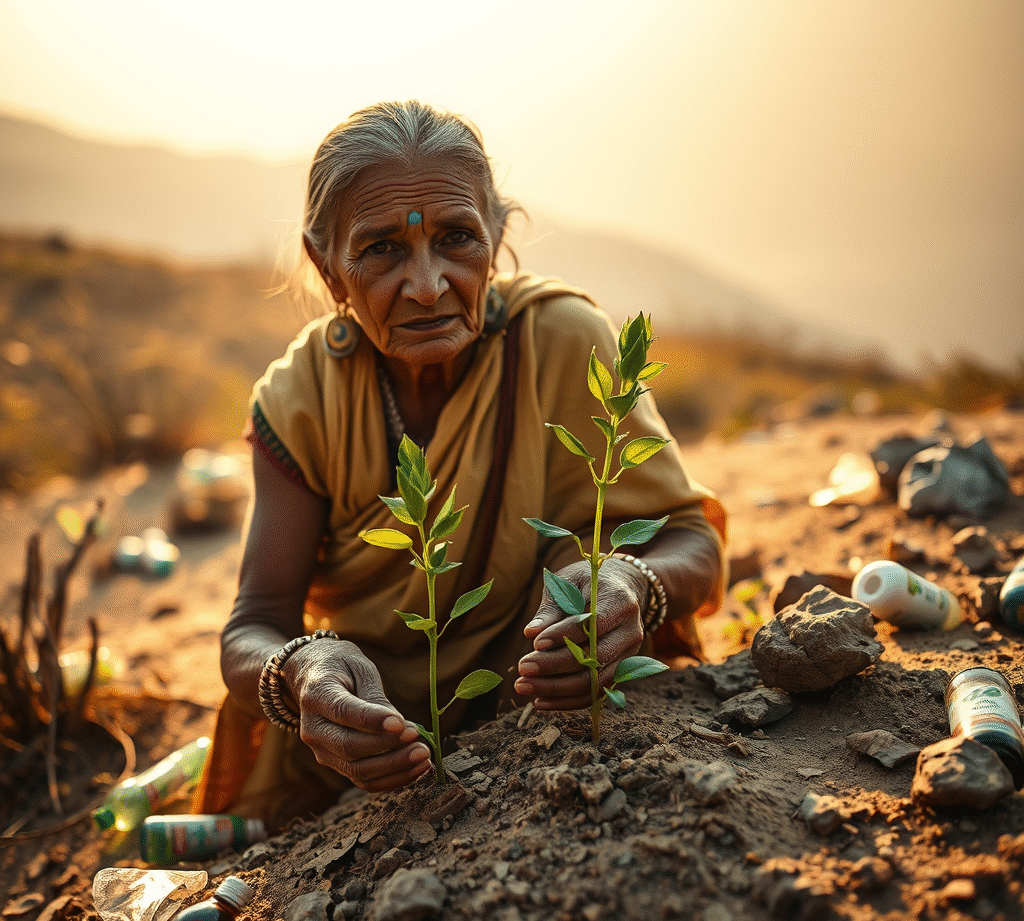
Beyond the Label: India’s Environmental Challenges & Living
India, a land buzzing with incredible natural beauty and a rich tapestry of cultures, faces some truly knotty environmental challenges. From the towering Himalayas to its sun-kissed islands, the buzz of development, the allure of tourism, and a growing population often bump up against the delicate balance of nature. But here’s the hopeful part: amidst these struggles, ancient wisdom and modern awareness are gently nudging us toward a more honest, sustainable way of life.
This article dives deep into some of India’s most pressing environmental issues. We’ll explore unseen waste piling up, the sneaky “hidden costs” behind so-called “eco-friendly” products, and even the heartbreaking impact of invasive species. More importantly, we’re going to pull out practical, actionable ideas and shine a light on age-old sustainable practices that offer a real blueprint for a greener tomorrow. It’s time we looked past the shiny labels and truly embraced our role as stewards of this amazing planet.
The Unseen Crisis: India’s Mounting Waste Management Nightmare
Waste isn’t just an eyesore that clogs up our streets; it’s a serious health risk and an ecological disaster, especially in places struggling to cope with the sheer volume of what we throw away.
Uttarakhand’s Plastic Peril: A Tourist Hub Drowning in Waste
Uttarakhand, affectionately called “Devbhumi” or “Land of Gods,” welcomes millions of visitors every year. Yet, its breathtaking beauty is increasingly scarred by a growing waste problem. The numbers paint a stark picture: Uttarakhand generates over 1400 tonnes of solid waste daily, and a huge chunk of it goes untreated.
Think about places like Meora village in Nainital, a remote, off-the-beaten-path spot. Here, plastic and other non-organic waste are routinely burned or just dumped anywhere. Locals often feel helpless, explaining that they simply don’t have the basic facilities for waste collection and processing. This isn’t just about things looking messy; burning plastic spews toxic fumes into the air, harming everyone’s health, while careless dumping poisons the soil and water, endangering both wildlife and local communities.
What You Can Do:
If you’re a tourist: Live by the “pack in, pack out” rule. Carry your trash with you until you find a proper bin. Choose hotels and guesthouses that genuinely show they care about managing their waste.
For our policymakers: We desperately need investment in proper waste collection, segregation, and processing, especially in tourist hot spots and far-flung areas. Let’s also put our foot down and enforce waste management rules more strictly.
Tourism’s Shadow: The Andaman Islands’ Ecological Tipping Point
The Andaman Islands, a stunning archipelago celebrated for its truly special biodiversity, is wrestling with a tricky problem: the double-edged sword of tourism. While tourism is the main lifeline for many islanders, the way we’re doing things right now just isn’t sustainable.
“Eco-Resorts” Under Scrutiny: A Call for Genuine Sustainability
The phrase “eco-resort” has become a popular marketing catchphrase in the Andamans, but often, the reality falls short of the claims. Nariman Vazifdar, an environmental expert, doesn’t mince words when he criticizes these businesses. He points out that many still dump significant waste into island landfills, burn trash, and are rapidly draining precious groundwater. Just look at the shrinking waterfalls and the increasing reliance on water tankers in Havelock – clear signs that this model just can’t last.
What Makes a Resort Truly Green?
Zero-Waste Thinking: They compost on-site, recycle, and really work to cut down on anything that can’t be recycled.
Smart Water Use: Rainwater harvesting, greywater recycling, and water-saving fixtures are standard.
Green Power: They use solar energy and other earth-friendly power sources.
Local Love: They buy from local communities, which shrinks their transport footprint and supports islanders.
Learning & Sharing: They actually teach guests about the local environment and how to be responsible travelers.
What You Can Do:
If you’re a tourist: Look beyond the “eco-friendly” label. Search for clear reports on their environmental efforts, check for certifications from trusted groups, and don’t be afraid to ask direct questions about their waste, water, and energy practices.
For the industry: It’s time to invest in real sustainable infrastructure and practices. Team up with environmental experts and local communities to build truly restorative tourism models.
For our policymakers: Let’s set clear, measurable standards for “eco-tourism” and make sure they are strictly followed.
The Silent Invasion: How Introduced Species Are Eating the Andamans Alive
Perhaps one of the most heartbreaking, yet often overlooked, threats to the Andamans’ incredible native biodiversity comes from species that don’t belong there. Many were brought in during colonial times for various reasons, and now, without their natural enemies, they’re running wild and wreaking havoc on the delicate ecosystem.
Nariman Vazifdar shines a light on some critical examples:
Dogs: Originally given to local tribes to help hunt wild boar, now feral dog populations stalk vulnerable sea turtle eggs and even kill nesting females, severely impacting marine life.
Spotted Deer: Brought in by the British for hunting, these deer have no predators in the Andamans. They’ve multiplied, overgrazing the undergrowth, completely changing island ecosystems, and even swimming between islands to spread their destructive reach. Vazifdar chillingly says they are “literally eating the islands alive.”
Bullfrogs: These hungry predators gobble up native animals, further throwing the ecological balance out of whack.
The problem just gets worse because there aren’t enough effective ways to control them, putting the very species that make the Andaman Islands globally important for conservation at risk.
What You Can Do:
If you’re a tourist: Never, ever introduce non-native plants or animals to new places. If you spot an invasive species, tell local authorities or conservation groups.
For policymakers & conservationists: We need to develop and put into action science-backed programs to control invasive species. Let’s also tighten biosecurity to stop any more from arriving.
The Greenwashing Trap: Rethinking Everyday “Eco-Friendly” Choices
Walk into any store, and you’ll see shelves bursting with products claiming to be “eco-friendly.” But the truth, as we’re learning, is often a lot more complicated. Truly understanding a product’s full journey, from creation to disposal, is key to making choices that actually help the planet.
The Hidden Footprint of Your Cotton Tote Bag
Often praised as a better choice than plastic, your trusty cotton tote bag carries a surprising environmental cost. A 2018 Danish study looked at its entire lifecycle and found something shocking: a typical cotton tote bag needs to be used a whopping 173 times to have a smaller environmental impact than just one disposable plastic (LDPE) bag. Why? Because growing cotton and making those bags guzzles a huge amount of water, pesticides, and energy.
What You Can Do:
Use What You Have: The greenest bag is usually the one already hanging in your closet. Use it as much as you possibly can.
Think About Other Options: Jute or bags made from recycled plastic might be better choices if you commit to reusing them constantly.
Buy Mindfully: Don’t collect a cupboard full of “free” tote bags. Go for quality over quantity.
Unmasking the Dangers in Everyday Hygiene: Sanitary Pads & Cotton Buds
| Item | Details |
|---|---|
| Sanitary Pads | In India, an estimated 120 million women use disposable pads, adding a staggering 12.3 billion pads to our waste annually. That’s 45% of India’s total sanitary waste, according to the Menstrual Health Alliance India. Most of these pads are up to 90% plastic, meaning they’ll sit in landfills for centuries. Plus, many contain undisclosed chemicals like dioxins, chlorine, and styrene, which could pose health risks to users. |
| Plastic-Stick Cotton Buds | These seem harmless, but they contribute massively to plastic pollution, often washing into rivers and oceans, harming precious marine life. |
What You Can Do:
As a consumer: Explore reusable menstrual hygiene options like menstrual cups or cloth pads. Choose cotton buds with paper sticks, or even better, invest in reusable ear cleaners. Demand that manufacturers tell us exactly what’s in their products.
For manufacturers: It’s time to innovate! Create plastic-free and chemical-free products. Clearly label all ingredients and give proper disposal instructions.
For our policymakers: Let’s create rules for ingredient disclosure and make manufacturers responsible for the entire lifecycle of their menstrual hygiene products.
Wisdom from the Mountains: Traditional Sustainability Models
While modern solutions are absolutely vital, sometimes the best answers to our sustainability puzzles are found in time-honored practices, especially those of mountain communities.
Darjeeling’s Timeless Lessons in Resourcefulness
In places like Darjeeling and Sikkim, communities naturally live by principles of reuse, repurpose, and using local resources – practices that were “eco-friendly” long before the term even existed. Their deep connection to nature has nurtured brilliant, zero-waste habits:
| Resource | Traditional Uses |
|---|---|
| Tea Grounds | After brewing, those used tea grounds aren’t tossed out. They become rich fertilizer for plants, get brewed again for natural hair conditioning or dyeing (great for fighting graying and frizz!), and warm teabags are a soothing balm for tired, puffy eyes. |
| Lemons | Beyond brightening up dishes, lemons get preserved with salt (“nimbu ko achar”) to help with upset stomachs. Halved with salt or baking powder, they shine copper utensils. And mixed with tea, ginger, and honey, they become a wonderful immunity-boosting drink. |
These examples show a deep cultural heritage where nothing goes to waste, and every resource serves many purposes – what a contrast to our modern throwaway culture!
What You Can Do:
Relearn & Reconnect: Dive into traditional practices from your own culture or local community for amazing ideas on being resourceful.
Embrace Multi-Purpose: Before buying something new, ask yourself if an item you already own could do the trick in multiple ways.
Support Local: Choose local products and businesses. They naturally cut down on transport miles and often use traditional, sustainable methods.
Nurturing the Next Generation: A Holistic Approach to Sustainability Education
Real sustainability education goes way beyond textbooks and abstract environmental ideas. It’s about helping kids build a deep, personal bond with nature and a strong sense of responsibility for their community.
Beyond Textbooks: Cultivating Eco-Consciousness in Children
A thoughtful “mountain mum” from Darjeeling beautifully shares how she instills environmental values in her son. Her philosophy is all about hands-on experience and living by example:
Outdoor Play & Exploration: She encourages her son to get out there and really interact with nature – planting seeds, watching insects, and appreciating all the different kinds of life around him.
Volunteering: Joining activities like WWF field work teaches him empathy and shows him how he can actively help conservation efforts.
Cultural Preservation: Connecting children to their heritage often comes with built-in sustainable values.
Waste Reduction Through Repurposing: She teaches the joy of turning discarded items into something new and useful.
Hands-on Learning: Involving him in gardening, composting, and even caring for pets helps him build a sense of responsibility and respect for all living things.
This well-rounded approach transforms sustainability from a concept into a way of life, preparing children to be true guardians of our planet.
What You Can Do:
For parents & educators: Make outdoor experiences a priority. Get children involved in practical, hands-on activities that show them how ecology works. Model sustainable behaviors in your daily life.
For communities: Create welcoming green spaces and community gardens. Organize local clean-up drives and invite children to lend a hand.
The Nuance of Conservation: When “Rescue” Isn’t the Answer
As human homes spread further into wildlife habitats, we’re seeing more interactions with animals. This often sparks a powerful urge to “rescue” them. However, experts are now questioning whether such interventions are always the best solution.
Nariman Vazifdar’s Perspective on Wildlife Intervention
Professional herpetologist Nariman Vazifdar offers a really important, nuanced take on snake rescue. He champions a philosophy that “no rescue is the best rescue” for snakes, explaining that relocating them, even with the best intentions, often doesn’t help the snake survive and can even harm it.
Vazifdar points out that most “rescued” snakes are moved to habitats that are already under stress. This can mean introducing new diseases, creating competition for food, or putting the snake in unfamiliar territory where it struggles to find food or shelter. He only steps in when a snake (usually King Cobras or Rat snakes) is actually inside someone’s home, not just in their garden. This careful approach is even more critical given the rapid habitat destruction in places like Havelock, which now boasts over 100 accommodations and 100+ restaurants, making genuinely safe and effective release sites incredibly hard to find.
What You Can Do:
Respect Wildlife Boundaries: Remember that many animals, especially snakes, are simply moving through or living in their natural homes. Give them space.
Learn About Local Wildlife: Understand their behaviors and needs so you can react appropriately.
Call Experts Thoughtfully: Only contact trained professionals when there’s a real danger to human safety, or if an animal is clearly injured or in immediate peril. Support organizations that focus on preserving habitats rather than just reactive rescues.
Conclusion: Embracing Authentic Sustainability for India’s Future
India’s environmental challenges are staring us in the face, from the widespread issues in waste management and the damaging effects of unsustainable tourism, to the subtle traps of greenwashing. Yet, this wealth of information also shines a light on powerful paths forward: rediscovering traditional wisdom, making smarter choices as consumers, and the deep impact of truly holistic sustainability education for the next generation.
Truly living sustainably in India calls for a multi-pronged effort:
For you, the consumer: Get informed, question those “eco-friendly” claims, pick products with a low impact throughout their life, and bring back that traditional resourcefulness.
For policymakers & industry: Let’s create and enforce strong environmental regulations, invest in green infrastructure, and build genuinely sustainable tourism models.
For educators & parents: Foster a deep respect for nature through direct experiences and show them how it’s done every day.
By looking beyond the surface, challenging what we think we know, and embracing both exciting new solutions and the wisdom of our ancestors, we can all work together towards a future where India’s natural heritage thrives, and its communities live in true harmony with the environment. The journey to authentic sustainability starts with understanding, blossoms into action, and ultimately, builds a deep connection to the amazing world around us.