

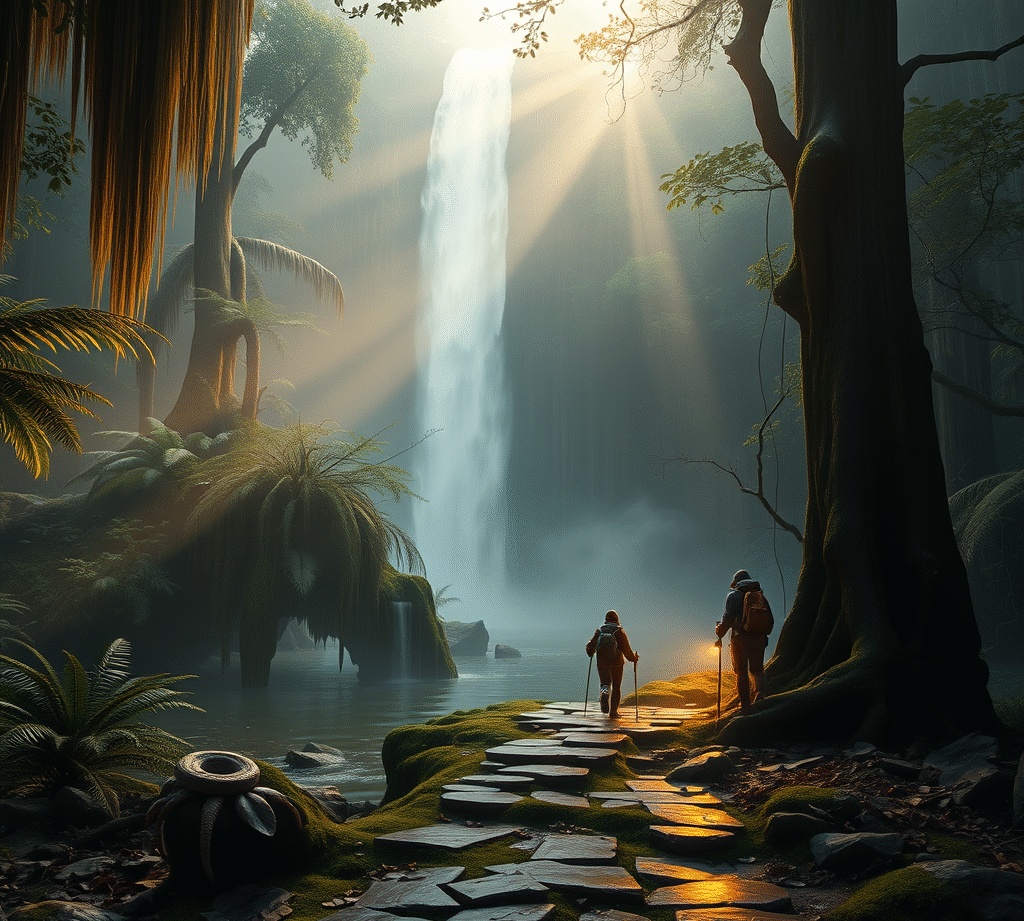
Agumbe: Rain‑Soaked Wonderland & Trek Guide
1. Why Agumbe Matters
Agumbe sits on the eastern fringe of the Western Ghats, earning its nickname “Cherrapunji of the South” for its relentless downpours. With more than 7,000 mm (280 in) of rainfall each year, the place teems with life—roughly half of all plant and animal species on Earth call it home. For wanderers, that means:
Crashing waterfalls and mist‑kissed mornings
Rare sightings of pit vipers, colossal spiders, and other forest denizens
A living laboratory for herpetologists and ecologists, especially at the Kalinga Centre for Rainforest Ecology (KCRE).
2. How to Get There: The Low‑Cost, High‑Value Trip Route
| Transport | Distance from Bangalore | Time | Cost | Tips |
|---|---|---|---|---|
| AIR (Kempegowda Airport ➜ Mysore Station ➜ Agumbe) | 380 km | 6 hrs | ₹6,000‑₹8,000 (one‑way) | Not the budgeter’s pick. |
| Private Car | 380 km | 6–7 hrs | ₹10,000‑₹15,000 | Hire a Karnataka‑licensed driver for smooth moves. |
| KSRTC Bus | 380 km | 8 hrs (overnight) | ₹350‑₹550 | Book a “Sleeper/AC” seat early. |
Quick Tip – Secure your bus ticket 3–4 days ahead on the KSRTC portal or a trusted travel agency. Night‑time “Brelay” buses usually offer the best fare.
3. Laying Your Footprint: Homestay Culture & Cuisine
Fine resorts are rare; homestays breathe the authentic Malnad spirit.
Typical Homestay Features – 2–4 hosts (mostly locals), a shared kitchen, rustic rooms, and steaming cups of filter coffee every morning.
Must‑Try Dishes – Banana chips, toddy, adina (banana pulp), and bell pepper jaggery gruel.
Ideal Choices – *Kashmeera Homestay* near the bus stop or *Mullor Homestay* midway through the trek.
Pro‑Advice – Let the homestay know you prefer light, vegetarian meals. A daily budget of ₹200–₹300 covers food, snacks, and a small tip.
4. The Heart of the Adventure: Narasimha Parvatha Trek
4.1 Trail Overview
| Feature | Detail |
|---|---|
| Length | 15–18 km loop (round‑trip) |
| Difficulty | Moderate – steep forest sections, occasional rocky outcrops |
| Duration | 3–4 hrs up, 2–3 hrs down |
| Best Season | Oct–Dec (post‑monsoon, clear skies) |
| Connectivity | No phone or data coverage |
4.2 Route Map (v1.0)
Start: Mallandur Village (Botanical garden) → Waterfall (Kambalakallu) → Grasslands (Sakkari) → Dodda‑Malu (Ridge) → Bee‑hive (Nest of honeybees) → End: Kigga (Stopover at Sringeri town) → Return to Mallandur
Highlight – At the ridge, a sunset paints the Kollegal plateau and distant horizons in gold.
4.3 The Essential Guide‑Contact List
| Guide | Phone | Notes |
|---|---|---|
| Arun | 8550 889 115 | Experienced; speaks English & Kannada |
| Avin | 8277 411 618 | Specialist in wildlife sightings |
| Chandra | 8052 400 254 | Weekly “Bronze‑level” trek |
| Nisha | 9080 507 731 | Female guide; excels in route tracking & hydration |
How to Approach – Reach out at least 48 hrs before the trek, confirm a 7 am meeting spot, and print the route map.
4.4 Packing Essentials
| Item | Why |
|---|---|
| Headlamp/LED torch | Trails plunge into darkness quickly. |
| Rain jacket | Monsoon clouds can roll in without warning. |
| Cash / UPI | ATMs are scarce, most spots take cash only. |
| First‑aid kit | Band‑Aids, antiseptic, pain relievers. |
| Water bottles (2 L) | Refill at designated clean points. |
| High‑calorie snacks | Extra energy for the steep descent. |
| Trekking poles (Optional) | Ease pressure on knees. |
4.5 Safety & Wildlife Etiquette
Carry a whistle – handy if help is needed.
Keep noise low – the forest thrives on quiet.
Never touch wildlife – give it space.
Outline an emergency plan with a nearby forest officer before you set off.
5. The Hidden Science: King Cobras & More at Agumbe
5.1 KCRE – The Trailblazers
About 10 km from Agumbe, the Kalinga Centre for Rainforest Ecology runs field studies on birds, snakes, and more—including the famed king cobra (Ophiophagus hannah).
Observatory Access – Guided tours cost ₹150.
Citizen Science – Help log telemetry data through a free crowd‑sourced app.
5.2 King Cobra – Reproduction & Territory
| Parameter | Description |
|---|---|
| Clutch Size | 23–43 eggs (avg. 35) |
| Incubation | 90–113 days |
| Nest | 3–5 m radius leaf‑litter mound ~4 ft tall |
| Temperature | 24–28 °C optimal |
| Courtship | Male performs salt‑pushing dances; females respond with air‑puffs |
Wildlife in Action – In June, guides sometimes spot 3–4 lady‑knuckles perched on trunks near a king‑cobra nest.
5.3 Other Noteworthy Fauna
Pit viper (Ceratophis muricatus) on the Punnaga tree.
Brown vine snake (Ahaetulla mycterina) sliding along branches.
Green vine snake (Oxybelis poecilogyrus) slithering through ferns.
Kukri snake (Ophiopholis kornmanni) – a forest‑floor secret.
Giant orb‑webbing spiders, spanning 10–12 cm.
6. Practical Checklist – Before You Go
| ✔️ Category | ✔️ Items |
|---|---|
| Transport | Bus/Train tickets; Car rental confirmation |
| Documents | ID Proof; Insurance; Guide contact list |
| Tech | Offline maps; Solar charger |
| Health | Mosquito repellent; Tetanus & Typhoid shots |
| Finance | Cash (₹10,000) + small card |
| Accommodation | Confirmation email, address & PIN |
| Trekking | Water‑proof boots, headlamp, snacks, water |
7. When to Go & What to Expect
| Month | Landscape | Temperature | Trek Suitability |
|---|---|---|---|
| Jan–Feb | Crisp mornings, calmer streams | 20–30 °C | Great |
| Mar–May | Warm, early monsoon bursts | 25–35 °C | Moderate |
| Jun–Sep | Peak rainfall – tours may pause | 30–40 °C | Not ideal |
| Oct–Dec | Ideal for trekking, vibrant flora | 18–28 °C | Perfect |
Pro‑Tip – Travel on a weekend to avoid the commuter rush for bus tickets.
8. FAQs – Quick Answers
| Question | Answer |
|---|---|
| Do I need a permit for the trek? | No, but a registered guide is mandatory. |
| Is it suitable for families? | Yes, if kids can tackle moderate forest trails. |
| Are there any restaurants? | None—depend on homestay meals. |
| Can I camp near the trail? | Free parking and loading spots exist; inform the guide first. |
9. Going Further – From Tour to Conservation
Join a “Plant a Tree” drive at KCRE (₹200 donation).
Download the KCRE app to log sightings.
Volunteer in a “Night Watch” rescue crew, like the Gowri‑Cobra Rescue story.
Remember – Your presence supports the rainforest’s future and fuels scientific discovery.
10. Final Word
Agumbe isn’t just a monsoon paradise; it’s a pulse‑beat of biodiversity, a living classroom, and a slice of genuine Malnad culture. Whether you’re a budget backpacker, a trekking fanatic, or a curious wildlife watcher, a trip to Agumbe delivers immersive moments that linger long after the last raindrop.
Plan wisely, respect the forest, and you’ll leave with memories as deep as its river gorges.
Enriching Your Stay
Near: Sringeri Mathsara Stupa & Shrine – 30 min drive.
Recommended: Gokak Falls – 2 hrs away, a perfect pre‑trek chill.
Back‑by‑bike route – 350 km, 7–8 hrs; scenic highways for the adventurous.
Prepared by a seasoned SEO writer. All figures updated to September 2025.