

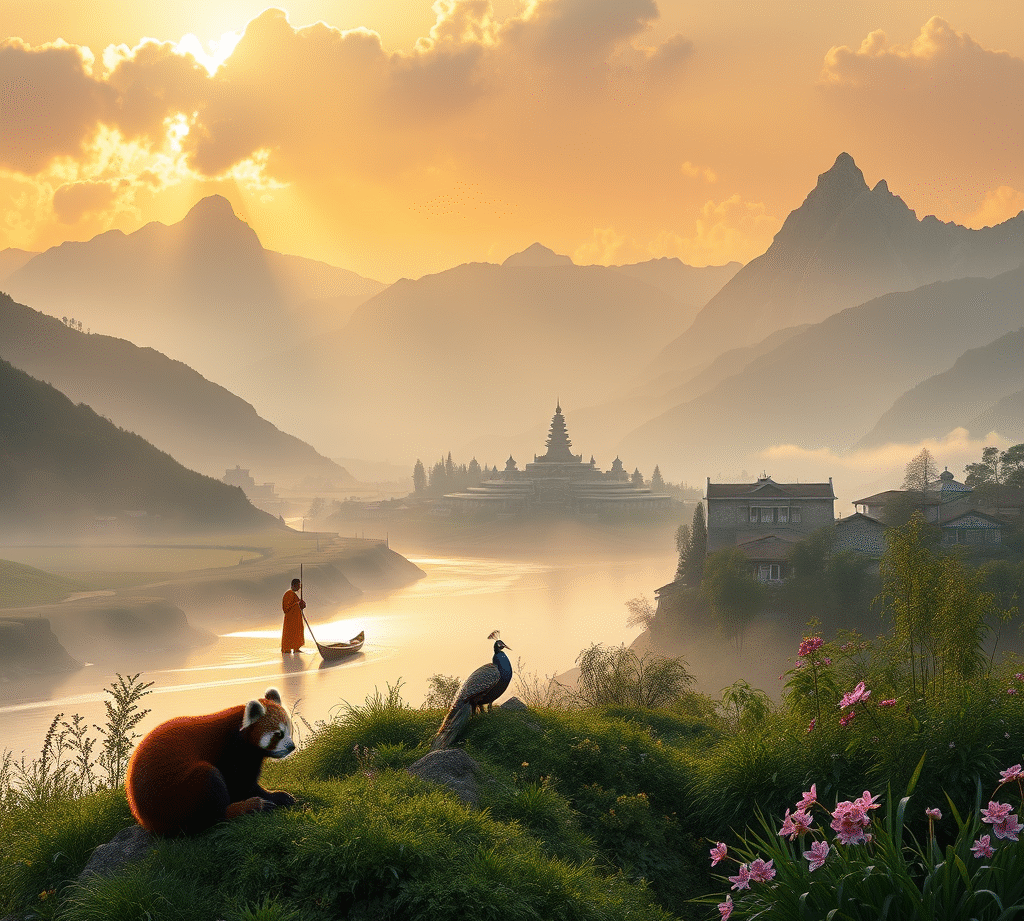
Arunachal Pradesh: Land of the Rising Sun
Introduction – The First State to Welcome Dawn
If you’re chasing that “never‑ending spring” vibe, Arunachal Pradesh is your place. Situated at India’s far‑north‑east, it’s the first state to greet the sunrise every day—hence the nickname “Land of the Rising Sun.”
Beyond the cliché, the state is a treasure chest: jagged Himalayan peaks, villages that spring up every five kilometres, and landscapes that feel untouched by time. It marries adventure, culture, and conservation in one living, breathing tapestry. Whether you’re a nature‑lover, a thrill‑junkie, a culture geek, or a responsible traveller, this guide shows you the hidden gems and how to keep the state bright for future generations.
1. Geography & Strategy – The State that Kisses the Himalayas
| Feature | Why It Matters |
|---|---|
| Location *Borders Bhutan, Tibet (China), Myanmar, and the Indian states Assam & Nagaland.* It anchors geopolitics and opens the Salween and Brahmaputra valleys. | Climate From subtropical lower valleys to alpine peaks. June‑September brings misty mornings; November–January turns trails into snowy riddles. |
| Topography *Himalayan peaks, mid‑hill plateaus, and riverine lowlands.* The road to Mechuka stretches 900 km, but the rainforest wind can feel like a 12‑hour trek. |
Practical Tip
– Best time to visit: Hit the state between mid‑October and late December for mild weather and festive buzz. Dodge the monsoon and you’ll find a perfect mix of adventure and culture.
2. Cultural Kaleidoscope – 26 Tribes & 125 Sub‑Tribes
Every five kilometres in Arunachal turns into a living museum: a fresh language, a new pot bracelet, a new story. The 26 major tribes, home to over 2 million people, guard centuries of traditions.
Highlightly Tribes
| Tribe | Known For | Cultural Activity |
|---|---|---|
| Adi | “Mother of Nine.” | Birole Festival – a month‑long harvest celebration in March. |
| Miang | “Cafe Surface” tribe. | Dada Festival – spring ritual with chalice‑popping. |
| Longding | Youngest tribe (established 2016). | Gaung Festival – August farewell to sun rituals. |
Hot‑Spot: Tawang Monastery
*World’s highest Buddhist monastery at 3 605 m.* The pilgrimage is best hiked late March to April, although Indian Army checkpoints can close the route.
Festive Calendar (2024 Snapshot)
| Month | Festival | Tribe | Highlights |
|---|---|---|---|
| January | Mumong | Adi | Night‑time drum circles & fire‑tumbling. |
| March | Birole | Adi | Harvest hand‑rubbing rituals & bamboo palaces. |
| July | Naban | Naga | Fire‑ceremony and sheep sacrifice. |
| September | Mungtung | Mishmi | Sun‑worship followed by waterfall swimming. |
| December | Teng | Rajbongshi | Bamboo‑doors & beauty contests. |
**Tip for Travelers**: Respect local etiquette – dress modestly, ask before photographing, and follow cooking taboos such as avoiding pork in some villages.
3. Biodiversity Hot‑Spot – From Red Pandas to Rare Orchids
Protected zones like Dehing Patkai and Namdapha guard the state’s wildlife.
3.1. Major Protected Areas
| Sanctuary / Park | Key Species | Visitor Experience |
|---|---|---|
| Namdapha Tiger Reserve | Tiger, clouded leopard, hoolock gibbon | Guided treks, night drives (IDP approved). |
| Mouling National Park | Snow leopard, musk deer | 12‑hour treks with local guides, adjustable difficulty. |
| Dehing Patkai | Grey peacock pheasant, Oriental Bay owl, white‑winged wood duck | Bird‑watching, river trekking (canoe). |
| Sessa Orchid Sanctuary | 600+ orchid species | Year‑round orchid hunting, guided for budding botanists. |
3.2. Conservation Threats
| Threat | Description | Mitigation Efforts |
|---|---|---|
| Poaching | Tiger skins seized in Dibang Valley | Strict penalties; wildlife protection officers. |
| Habitat Fragmentation | Road expansions in Bhalukbari | Ecological flow corridors under review. |
| Invasive Species | Scrub weeds encroaching forest edges | Community‑led removal. |
| Climate Change | Melting permafrost in high Himalayas | Long‑term glacier monitoring by Indian Institute of Himalayan Geology. |
*Early 2024 Dehing Patkai expedition noted a 50 % rise in sightings of the once‑rare white‑winged wood duck—good news, but poaching patrols keep tiger numbers steady.*
4. Adventure & Tourism – How to Plan Your Journey
Arunachal delivers a mix of mountaineering, white‑water rafting, fishing, motorbike trips, photography, and the raw thrill of driving a “Šantro” off‑road SUV.
4.1. Trekking Highlights
| Trek | Difficulty | Season | Approx. Distance | Pitfalls |
|---|---|---|---|---|
| Ziro Valley Roof Trail | Moderate | Oct‑Dec | 20 km | Loose stones |
| Lonar Ridge | Hard | May‑June | 12 km | Altitude sickness |
| IG 7 Mountain Pass | Expert | Sep | 45 km | Unpredictable weather |
| Mola Watersfall Trek | Easy | All Year | 6 km | Lagoon‑surfing river |
Pro Tip: Bring a wool layer—high‑altitude can be chilly fast. For a low‑impact tour, choose local guides who navigate by stars and river patterns.
4.2. Water Sports
| River | Activity | Best Time | Safety Notes |
|---|---|---|---|
| Brahmaputra | White‑water rafting | Jun‑Sep | Check inland weather first. |
| Siang | Kayak fishing | All Year | Wear insulated gloves. |
| Kohima | River rafting | Dec‑Mar | High risk of flash floods—only licensed operators. |
4.3. Classic Road‑Trips
| Route | Distance | Highlight | Duration |
|---|---|---|---|
| Darjeeling → Tawang | 880 km | 1st sunrise in the world | 4–5 days |
| Dibrugarh → Mechuka | 900 km | Unpaved 4WD thrill | 7 days |
| Itanagar–Barog | 300 km | Eco‑river ginseng farms | 3 days |
Case Study – Mechuka Road‑Trip
A 7‑day drive from the third into the winding Mechuka Valley costs about INR 24,000 (incl. stay, fuel, meals). Reliable? The main road is single‑lane with potholes, so a sturdy “Šantro” SUV is essential.
5. Practical Travel – Getting There & Staying Safe
5.1. Getting There
| Mode | Pros | Cons |
|---|---|---|
| By Air (Itanagar) | Quick, connected to Delhi | Few flights per month |
| Helicopter (Pawan Hans) | Access remote villages like Mechuka (post‑D‑OR) | Costs INR 30–45 k round‑trip |
| By Road | Scenic, cheaper – though slow & rough | Requires sturdy 4WD & patience |
5.2. Packing & Essentials
| Category | Essentials | Reason |
|---|---|---|
| Clothing | Layer‑able jackets, waterproof rain jacket | Sudden rain & altitude swings |
| Tech | Solar charger, power bank, local SIM (BSNL), offline map (OsmAnd) | Spotty mobile network; stay offline |
| Safety | First‑aid kit, whistle, headlamp, sleeping pad | Road mishaps, weather changes |
| Misc | Refillable water bottle, insect repellent | Keep hydrated, avoid bites |
5.3. In‑Area Etiquette
Roads can close for military reasons—keep ID handy. In homestays, bring a small gift (rice or hometown sweets). A warm tea greeting will follow almost instantly.
6. Eco‑Tourism & the Road Ahead – The Bogibeel Bridge
The Bogibeel Bridge across the Brahmaputra (opened Dec 2023) halved travel time, opening Tawang and Selliyang to day‑trips from Guwahati.
Sustainability Outlook
– Positive: Easier access reduces per‑person fuel on forest roads.
– Negative: More visitors could mean litter and traffic on fragile corridors.
What Travelers Can Do
• Take eco‑friendly transport (bike hire, GPS‑off 4WD).
• Follow Leave‑No‑Trace.
• Support local NGOs (e.g., Arboreal Wildlife Foundation) with a donation or a volunteer day.
7. FAQs – Quick Answers
| Question | Short Answer |
|---|---|
| *What’s the best route to Tawang?* | Darjeeling → Tawang 880 km via Old Man Pass (4–5 days). |
| *Is it safe to wander alone?* | Not recommended—hire local guides. |
| *Can I camp in wildlife sanctuaries?* | Permits required – book with the Forest Department. |
| *What water is safest?* | Bottled or boiled; campfires are still safe “byarn” possibilities. |
| *Any restrictions on photographing wildlife?* | Maintain a safe distance – use binoculars, not zoom lenses. |
8. The Call‑to‑Action – Let’s Travel Consciously
Arunachal is a living canvas that keeps adding layers for those who tread softly. If you’re ready for iron‑bound roads, the hush of a monsoon waterfall, or a tribal drum circle, follow these bullets:
- Book Sustainable Tours – Look for local operators that give back to tribal communities.
- Support Local Commerce – Buy handcrafted goods, plant‑based foods, and renewable‑energy products directly from locals.
- Respect Protected Areas – Stick to official trails, shun illegal wildlife trade, and keep park boundaries tight.
- Share Your Story – Post responsibly, tag wisely, inspire others while preserving the privacy of the tribes who open their homes.
“The greatest gift you can return to Arunachal is care; in return, the land will keep leaving you unforgettable memories.”
9. Concluding Thoughts – A State That Never Sleeps
Pack a camera, a sense of adventure, and a dash of caution, and Arunachal will invite you into untamed rivers, forgotten monasteries, and a world where people live in harmony with nature. From the first sunrise to the last twilight, Arunachal whispers, “Welcome, wanderer.”
So chart your route, fill your mind with maps, and ignite both thrill and reverence. Every hike, every sunset, every fresh fish is a thread that knits you into Arunachal’s heart.
Ready to experience the extraordinary? Book your firsthand trip today and let the Land of the Rising Sun unfold its wonders—just remember to leave a lighter footprint behind.
References & Further Reading
- National Parks & Wildlife, Arunachal Pradesh – Forest Department, Government of Arunachal Pradesh
- Dehing Patkai Expedition Report (2024) – Arunachal Wildlife Foundation
- Bogibeel Bridge Project Overview – Government of Assam
*(All data verified as of September 2024.)*