

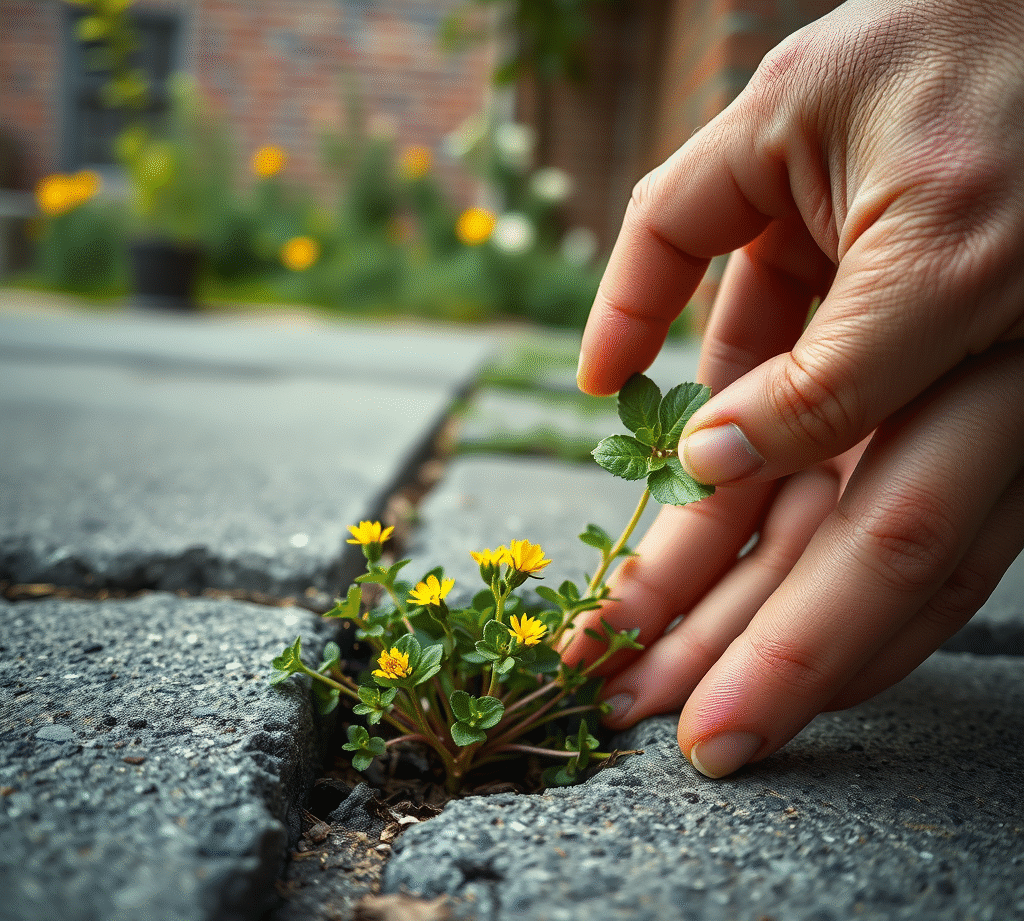
Beyond Weeds: How Urban Foraging & Permaculture Are Reworking Sustainable Living
Feeling a little disconnected from nature lately? Even in our busiest cities, two incredible movements are helping people rekindle their bond with the earth: urban foraging and permaculture. These aren’t just trendy new ideas; they’re rooted in ancient wisdom and offer powerful ways to boost our health, strengthen our communities, and live more sustainably.
This article dives into how we can shift our perspective on what we call “weeds” and embrace permaculture’s smart, whole-system thinking. It’s about finding a more resilient, connected, and vibrant way to live.
Rethinking the “Weed”: The Urban Foraging Journey
What if those “weeds” you yank from your garden are actually hidden culinary treasures, brimming with nutrition and even medicinal benefits? Urban foraging completely flips our usual ideas about food, revealing a world of edible plants thriving right under our noses.
More Than Just Food: Big Benefits for You
Urban foraging is so much more than simply finding free food. It’s a practice that nourishes your well-being in many ways:
Discover and Connect: Getting out into the natural world, even if it’s just a city park, sparks a wonderful sense of discovery and a deeper connection to nature. Ecologist Nina Sengupta points out that it’s an easy way to experience the outdoors without needing to leave urban areas.
Boost Your Health: Many plants we often overlook are incredibly nutritious and healing, sometimes even outperforming what you find in the supermarket. Our ancestors regularly ate these plants, showing us a different definition of “food.” Imagine adding super healthy leaves like Solanum nigrum (manathakkali) or Commelina benghalensis (great for gut health) to your meals, all growing nearby!
Find Your Calm: The simple act of searching, identifying, and interacting with plants becomes a meditative experience. It’s a wonderful way to ease stress and feel a genuine sense of accomplishment.
Foraging with Heart: Safety, Ethics, and Smart Choices
While the idea of free, super-organic food is incredibly appealing, responsible foraging needs knowledge and respect for nature.
Learn to Identify: Your first and most important step is recognizing plants correctly. Joining local “weed walks” or groups offers invaluable help from folks who really know their stuff.
Choose Safe Spots: Stick to places like garden edges, the borders of flower beds, or private properties (always ask for permission!). It’s really important to stay away from polluted areas like roadsides, industrial zones, or chemically treated lawns. These spots can harbor heavy metals and pesticides, and you don’t want those in your food.
Respect the Harvest: There’s a big difference between gathering a bit for yourself and commercially exploiting wild plants. Ethical foraging means taking only what you need, leaving plenty for the plant to regrow, and never over-collecting. As Nina Sengupta warns, if tourism or big businesses drive demand beyond what an area can support, resources disappear quickly.
India’s Deep Roots, Still Relevant Today
In many parts of the world, especially places like India, foraging isn’t some new recreational trend. It’s a deeply ingrained tradition. In rural India, tribal communities live by the saying, “as long as the forest lives, tribal people will not starve.” Even in cities, foraging helps urban poor families supplement their income. Think of the “old ladies selling seasonal ‘chickweed’ (Portulaca quadrifida) on footpaths.” This shows just how vital foraging is culturally and economically, far beyond a modern hobby.
Learning Nature’s Language: Fun Ways to Educate
Making knowledge about edible wild plants easy to get and fun to learn is crucial. Creative approaches are proving incredibly effective:
“Edible Weeds” Coloring Books: Ecologist Nina Sengupta crafted an inventive adult coloring book to help city dwellers connect with common weeds. It’s an interactive learning tool, featuring hand-drawn, to-scale illustrations that let you absorb information more deeply. *(Picture a detailed drawing of Punarnava, an Ayurvedic medicinal plant, just waiting for you to color it in and learn all about it!)*
Online Communities: During challenging times like lockdowns, online spaces such as WhatsApp groups for edible weeds exploded in popularity (one group jumped from 10 to 90 members!). These groups sparked knowledge sharing, recipe swaps, and a growing buzz around self-sufficiency.
YouTube Channels & Workshops: These resources spread knowledge even further, offering practical video guides and live demonstrations for finding, harvesting, and cooking wild edibles.
Permaculture for Everyone: Designing a Sustainable Future
Coined in the mid-1970s by Bill Mollison and David Holmgren, permaculture began as a way to design “integrated, self-sustaining plant and animal systems that benefit people.” Today, it’s grown into something much bigger and more powerful: a flexible guide for sustainable living.
Beyond the Garden Gate: Permaculture as a Way of Life
Permaculture goes far beyond simply growing an organic garden. It’s a design philosophy and a set of ethical guidelines that help us create sustainable, self-sufficient communities and food systems. It does this by observing and imitating how nature works.
As Juliana Birnbaum Fox beautifully puts it, “One of the most important things about permaculture is that it is founded on a series of principles that can be applied to any circumstance—agriculture, urban design, or the art of living. The core of the principles is the working relationships and connections between all things.” This means permaculture applies to every part of your life—whether you’re planning a balcony garden, organizing a community project, or even managing your personal budget. It teaches you to see how everything connects and to build relationships that benefit everyone involved.
Key Principles in Action
While permaculture has many principles, a few fundamental ones truly show how adaptable it is:
Observe and Interact: Before you do anything, take time to watch nature and engage with your environment. This helps you truly understand its patterns and resources.
Catch and Store Energy: Design your systems to capture and hold onto resources like water, sun, and nutrients for later use.
Apply Self-Regulation and Accept Feedback: Keep an eye on your systems and be open to tweaking your designs based on what you learn.
Get a Yield: Make sure your hard work produces useful and abundant results.
Integrate Rather than Segregate: Put elements together so they support each other, just like in natural ecosystems. *(Imagine a chicken coop next to a compost pile, where food scraps become fertilizer, which then feeds your garden.)*
The personal story in the original post—someone starting a Permaculture Certificate after a decade of sustainable living—really highlights how even experienced folks discover the deep, whole-picture thinking permaculture offers.
Paths That Weave Together: Foraging Meets Permaculture
Urban foraging and permaculture are like two sides of the same coin, both championing a deeper understanding and connection with our natural world.
Ecological Smartness: Knowing Your Environment
Both practices flourish when you have “ecological literacy”—a good grasp of how natural systems operate. Here are some key ideas:
Ecotone: Think of this as the vibrant meeting point between two different natural communities. It could be where a forest meets a grassland, or where fresh water mixes with saltwater in an estuary. Ecotones often burst with more species because they blend conditions from both areas. *(Knowing this helps foragers find diverse spots where more edible plants might grow).*
Edge Effect: While ecotones bring life, simply creating a random “edge” can sometimes cause problems. For example, building a road through a forest creates new edges, breaking up habitats and often favoring common species over those that need deep forest. Permaculture design, however, smartly creates beneficial edges within a system to maximize growth and variety, not harm it.
When we weave these concepts into our understanding, we move beyond just gathering plants or designing spaces. We become truly responsible caretakers of our environment.
Paving the Way for a Greener Tomorrow
The wisdom from urban foraging and permaculture gives city dwellers the power to actively engage with their local environment for food, health, and well-being. This builds resilience and self-reliance, which becomes incredibly important during challenging times.
Rethink Education: We have a huge opportunity to bring knowledge about local edible plants and permaculture principles into schools and informal learning, starting with kids. This can spark ecological smarts and a sense of wonder from an early age.
Build Community: “Weed walks,” workshops, and online groups are fantastic tools for bringing people together who care about sustainable living. They make it easy to share knowledge and put ideas into practice.
Question What We Buy: By showing us the value of free, wild, locally available food, these concepts offer an alternative to our conventional food systems. They encourage a conscious shift towards healthier, more mindful living and make us think twice about selling off our natural resources.
Ultimately, both urban foraging and permaculture invite us to see the world differently—to find abundance where we once saw scarcity, connection where we felt alone, and possibility where we once perceived waste. These aren’t just passing fads; they are fundamental changes in how we relate to ourselves, our communities, and our planet, offering a truly sustainable path forward.