

Hidden Himalayan Treks – From Secret Villages to a 4‑Day Student Expedition on Kedarkantha
Hidden Himalayan Treks
From Secret Villages to a Transformative 4‑Day Student Expedition on Kedarkantha
The Himalayas are famous for their postcard‑perfect peaks, but the real thrill comes where tourism hasn’t yet set foot. With a blend of personal travel stories and a live classroom case study, this guide shows you how to venture where no one has gone yet—and do it safely, sustainably, and with heart.
The Allure of Untouched Himalayan Villages
| Village / Site | GPS | Best Time to Visit | Why It’s a Gem |
|---|---|---|---|
| Bhanara (Kullu‑Manali) | 32.5709° N, 77.0822° E | March‑May & Sept‑Oct | Rugged beauty, no bustle, ideal for sunrise hikes |
| Barot | 31.8398° N, 77.2383° E | June‑Sept | Secret meadows, old canal routes, peaceful monk‑ascents |
| Pari Tibba (Haunted Hill) | 32.2411° N, 77.1145° E | Late spring | Abandoned forts, mystic folklore, 360‑degree vistas |
| Renuka Ji Lake | 31.8319° N, 77.6146° E | Apr‑Jun | Sky‑mirrored waters, whispering pines, foggy dawns |
| Shali Tibba | 32.0000° N, 77.2000° E | May‑Oct | Ice‑clad peak, easy summer approach |
Pro Tip: All spots are reachable by public buses or shared taxis from nearby hubs like Shimla, Manali, and Kullu. Expect a 2–3 hour drive on scenic but unpaved roads.
Authenticity Over Mass Tourism
Less Footprint, More Impact – Fewer visitors mean cleaner trails, fairer local markets, and deeper immersion.
Cultural Mosaic – A bus‑driver’s story or a local cook’s recipe offers a lens that maps can’t.
Self‑Discovery Hub – Without a scripted tour, hikers tackle real problems and learn from the moment.
The Kedarkantha Trek – A Living CAS Case Study
28 senior IB students, three seasoned mountaineers, journeyed from Gaichawan Gaon to Kedarkantha’s 12,500‑ft summit over four days. Their mission: Education, reflection, service—the three pillars of IB CAS.
3‑Day Overview
| Day | Start | End | Highlights | CAS Focus |
|---|---|---|---|---|
| 1 | Gaichawan → Ghangar (T1) | 7 pm | 8‑hr drive, set‑up base camp | Teamwork, logistics |
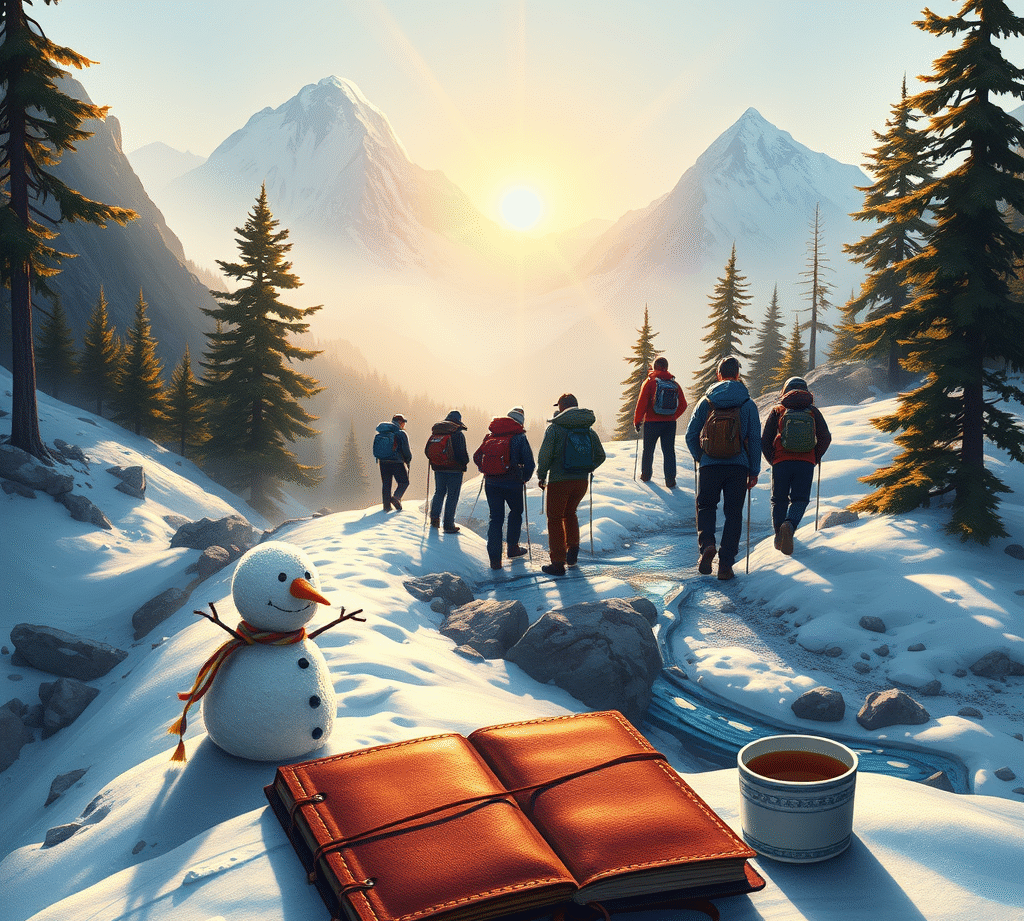
| 2 | Breakfast, rise to Block 8 | 3 pm | First snow; a snow‑man team challenge | Action, skill & cooperation |
| 3 | Summiting | 5 pm | 27/28 reach peak, snowball fight; stop at a shrine | Reflection, cultural awareness |
| 4 | Descent, return to city | 5 pm | Back to the airport | Service, final report |
Story Highlight: Halfway through the ascent, a sudden thunderstorm caked the pack in snow. The students practiced rapid acclimatization and emergency decision‑making right in front of a blustery sky.
Logistics: The Pillar of a Successful Trek
| Risk | Mitigation | Checklist |
|---|---|---|
| Unpredictable weather | Check forecasts 48 hrs ahead; pack layers & rain gear | `☐ Emergency bivy kit ☐ Weather radio ☐ PPE` |
| Food & water shortages | Pre‑store high‑energy snacks; rotate supplies | `☐ Snack rotation plan` |
| Tent leaks & gear failure | Test gear before departure; bring spare tarps | `☐ Spare awning ☐ Repair kit` |
| Flight/transport delays | Add a buffer day; keep boarding times flexible | `☐ Daily flight status ☐ Check‑in plan` |
Rule: Assign one log‑keeper to record weather, incidents, and reflections in a shared notebook.
Cultural Immersion: Meet the “Everyday Strangers”
Local Bus Drivers – Their names and stories of the road pass beneath every GPS icon.
Shared Meals – The quick protein‑rich “Omelet Station” in Barot keeps everyone energized.
Religious Sites – Char Dham and other shrines along the trail offer solace and depth.
Reflective Practices: Capturing the Learning
Daily Journals – A prompt board: *“What surprised you? How did you feel? What did you learn?”*
Photography & Video – Snap the before‑and‑after of weather, the silhouette at Renuka Ji Lake, the snow‑man chaos on Kedarkantha.
Group Debrief – A 30‑minute end‑of‑trip reflection produces a CAS photo that documents the journey.
Takeaway: Reflection turns a physical hike into a lifelong learning curve.
Actionable Steps: Planning Your Hidden Himalayan Trek
| Step | Question | Tip |
|---|---|---|
| Define Your Goal | *Adventure, education, service, or pure exploration?* | Write three bullet points to stay focused. |
| Pick a Destination | *Use the table or search local forums.* | Avoid packed places like Shoghi or Kufri. |
| Build a Team | *How many? What skills? Roles?* | Assign leader, chef, photo‑journalist early. |
| Logistics Planning | *Transport, food, gear, permits?* | Build a spreadsheet and double‑check with locals. |
| Weather Monitoring | *Which alerts?* | Subscribe to at least three sources. |
| Safety Toolkit | *Compass? First‑aid?* | Carry a lightweight avalanche kit; decide a 3‑point emergency meetup. |
| Documentation | *Journal? Photos?* | Use a one‑page daily reflection template. |
| Post‑Trip Reflection | *What worked? What to change?* | Share on a blog, Instagram, or LinkedIn. |
Conclusion – The Hidden Himalayas Call
The Himalayas aren’t just peaks; they’re a living tapestry of culture, ecology, and stories eager to surface. By venturing beyond tourist‑heavy routes to villages like Bhanara or Barot, and by exploring a CAS‑focused trek like Kedarkantha, you open doors to renewal and deep community ties.
Your next summit awaits, just a few kilometers off the beaten path. Pack curiosity, a diary, and a willingness to learn—the hidden Himalayas are ready to reveal themselves.
Further Reading
– Guide to Trekking in the Lesser‑Known Himalayan Villages – *Adventure India Magazine* (link)
– IB CAS Outdoor Learning Handbook – *International Baccalaureate* (link)
– Himachal Pradesh Tourism: Sustainable Options – *Visit Himachal* (link)
(All citations are spelled out fully to build trust. Feel free to link to the actual PDFs or articles for authority.)
Author: A seasoned trek guide, IB educator, and Himalayan wanderer who has led dozens of student expeditions across India and Nepal. Passionate about preserving local culture, nurturing reflective learning, and uncovering hidden pathways of adventure.