

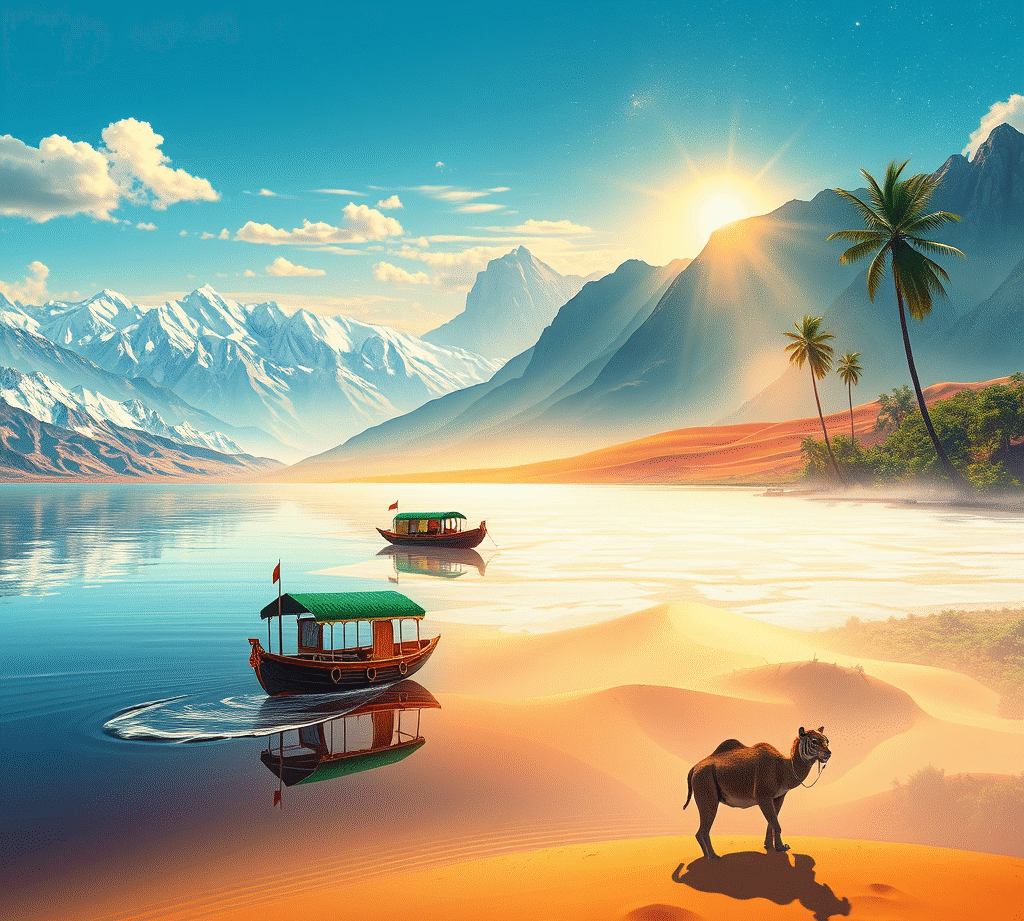
India as a Nature‑Tourism Playground – From Snow‑kissed Himalayas to Quiet Backwaters
India as a Nature‑Tourism Playground (Why India is more than just busy cities – it’s a continent of living landscapes.)
When “India” rolls off people’s lips, the first image is usually crowded streets, neon bazaars, and traffic that never quits. Peel back that first layer, and you’re left with a patchwork of wild forests, salt‑crusted deserts, sapphire backwaters, and snow‑touched peaks. No other country punches as hard at the mix of sustainable, low‑density adventure that India offers. In this guide we’ll sift through the top regions, line up a heritage‑plus‑nature itinerary, spotlight seven quiet‑call‑out gems, and hand over handy, real‑world tips so you can book a trip that feels personal, authentic, and crowd‑free.
Key takeaway – India’s geography is your ticket: each “zone” brings its own vibe, from the hush of Kerala’s houseboats to the untouched silence of the Ladakhi desert. Which feels like home to you? Keep reading.
1. The Geographic Dictionary of Indian Nature
| Region | Highlights | Best Season | What to Expect |
|---|---|---|---|
| Himalayan & Mountainous | Ladakh, Kashmir, Himachal, Uttarakhand | May–September (Kashmir) | Snowy valleys, turquoise lakes, spice markets, Buddhist monasteries | |
| Coastal & Backwaters | Kerala backwaters, Andaman islands, Goa’s beaches | March–May (backwaters), October–March (Andamans) | Houseboats, coconut groves, coral reefs | |
| Desert & Salt | Thar (Rajasthan), Great Rann of Kutch | November–March | Camel treks, salt flats, night skies, Rann Utsav festival | |
| Wetlands & Biodiversity | Sundarbans, Western Ghats, Kaziranga, Kanha | October–March | Tiger sightings, riverine birdwatching, river dolphins | |
| Forests & Hill Coastal | Coorg, Wayanad, Munnar | October–March | Tea plantations, rhododendron groves, waterfalls |
Pro tip: Even in summer a jacket is a must for the Himalayas. In the backwaters an insect‑repellent wristband will keep the bugs at bay.
2. The “Top 5 Must‑Visit” Itinerary – Heritage + Nature
| Rank | Destination | Why It Matters | Quick Hook |
|---|---|---|---|
| 1 | Agra – Taj Mahal | India’s love icon + a peek into Mughal gardens | Dawn over the shining marble. |
| 2 | Jaipur – Pink City | Royal palaces + vibrant bazaars + Rajasthani cuisine | Stroll through streets dusted in gold and pink. |
| 3 | Kerala – Houseboat Stay | Crystal lakes + backwater paddling + tea fields | Glide past floating sunrises. |
| 4 | Varanasi – Ghats of the Ganges | Spiritual heart + sunrise boat ride | Watch the first light kiss the old town. |
| 5 | Ladakh – Pangong Tso & Monasteries | Road‑trip bliss + high‑altitude lakes | Eleven kilometres of mountaintop blues. |
Why this combo?
We’re tying iconic heritage sites to untouched nature, giving families a rhythm of awe followed by calm.
3. Seven *Introvert‑Friendly* Destinations
| # | Place | Why It’s Quiet | Practical Tip |
|---|---|---|---|
| 1 | Talpona Beach (Sundarbans) | Nestled amid mangroves, no towering resorts | Choose homestays with local guides. |
| 2 | McLeod‑Ganj (Leh) | Meditation centres, low‑traffic festivals | Reserve evening meditation spots. |
| 3 | Pahalgam (Uttarakhand) | Small‑town feel, monsoon season sees fewer crowds | Use back‑roads to catch hidden viewpoints. |
| 4 | Warwan Valley (Ladakh) | Remote pastoral vibe, private lodging | Pack extra blankets—it can chill abruptly. |
| 5 | Club Mahindra Sherwood (Sikkim) | Forested resort, low visitor density | Book a tree‑house cabin for solo privacy. |
| 6 | Pangong Tso (Ladakh) | Empty lake in winter, silence everywhere | Pack wind‑proof jackets; it can turn icy. |
| 7 | Quiet Place Himalayas (Shimla) | Orchard‑ridge lodging, bespoke itinerary | Ask local guesthouses for “silent breakfast” options. |
Morse Code for Introverts: Slow pace, close‑up moments, no crowds, pure locals.
4. Sample 10‑Day Itinerary: Kerala + Munnar + Backwaters
| Day | Activity | Accommodation | Notes |
|---|---|---|---|
| 1 | Arrive in Trivandrum | Hotel (mid‑budget) | Ease into the time zone. |
| 2 | Drive to Munnar (Tea gardens) | Eco‑resort | Start at 10 AM to dodge traffic. |
| 3 | Trek to Upper Shola | Guesthouse | Morning among tea leaves. |
| 4 | Drive to Alleppey | Houseboat | Sunset cruise through backwaters. |
| 5 | Paddling & cooking class | Houseboat | Learn to whip a local thali. |
| 6 | Visit Kumarakom bird sanctuary | Local homestay | Bird‑watching at sunrise. |
| 7 | Return to Alleppey | Houseboat | Optional Krishna River dolphin safari. |
| 8 | Fly to Coorg | Boutique lodge | Coffee‑farm tour (in season). |
| 9 | Trek to Kedangoli | Guesthouse | Gardens bloom beautifully in spring. |
| 10 | Back to Bangalore | End of adventure. |
How long to stay?
Ten days let you soak in each spot without rushing. Stretch or trim days in Munnar if you loved the tea fields.
5. Practical Tips for Every Traveler
Travel Timing & Weather
– Himalayas – May–September, 15–25 °C.
– Coastal Backwaters – March–May, plus the dry season (October–March).
– Deserts – November–March; best to skip scorching July–August.
Packing List
| Category | Essentials |
|---|---|
| Clothing | Layered, quick‑dry shirts; jacket (evenings), sandals & sturdy shoes. |
| Gear | Solar charger, reusable water bottle, waterproof bags, binoculars for wildlife. |
| Health | Altitude meds (for Ladakh), insect repellent (Sundarbans), basic first‑aid kit. |
| Documents | Visa, local permits (e.g., protected forest entry), health insurance. |
Accommodation Hacks
Home‑stay a town with heritage—most welcome you into daily life.
For quiet spots, ask for a stand‑alone cabin, or a single treetop lodge that keeps the noise at bay.
Safety & Etiquette
1. Altitude – sip water, avoid heavy meals before climbing.
2. Religious sites – keep it modest, take off shoes.
3. Wildlife areas – stay distance, use local guides.
Sustainable Travel
Leave No Trace – carry all trash back out.
Water – refill, skip single‑use plastic.
Help local – buy from certified artisans, favor eco‑friendly lodges.
6. Why India Doesn’t Just Repeat the “Crowded City” Narrative
| Common Misconception | Reality | Proof |
|---|---|---|
| Only the metros matter. | India’s 727,000 sq‑km of land hosts 50+ national parks. | Bandhavgarh, Sundarbans sustain wildlife and local livelihoods. |
| Tourism can’t be sustainable. | Community‑based trips boost rural incomes while preserving landscapes. | Rann Utsav relies on 1,000 local artisans annually. |
| Quiet = isolated. | Many remote locales thrive on small‑scale community tours. | Warwan Valley offers home‑away-from-home shepherd stays. |
Feel the difference between a packed New Delhi market and a silent tea‑garden lunch: one is loud, the other is contemplative. That contrast is what India offers.
7. Take the Next Step – Get Started Today
– Download the free “India Nature‑Tourism Planning Sheet” (link)—your one‑stop pack list, budget, and itinerary helper.
– Book a micro‑tour with a local partner (e.g., Insiders India, Wildlife Trails) for a guaranteed authentic experience.
– Join our community on Instagram @NatureIndiaGuide – get real‑time weather alerts, festival highlights, and exclusive deals.
Your journey begins with one choice – pick a region, tally your must‑haves, and let India nurture a travel story that feels truly yours.
Final Thought
India’s nature tourism is richer than any tourist postcard. Whether you chase the misty peaks of Ladakh, glide through Kerala’s maze of backwaters, or settle into a quiet forest in the Sundarbans, the country gives a spectrum that outshines a generic city checklist. Use this guide to cut through the chatter, zero in on what stirs you, and create a trip that’s personal, authentic, and responsible.
Happy travels!