

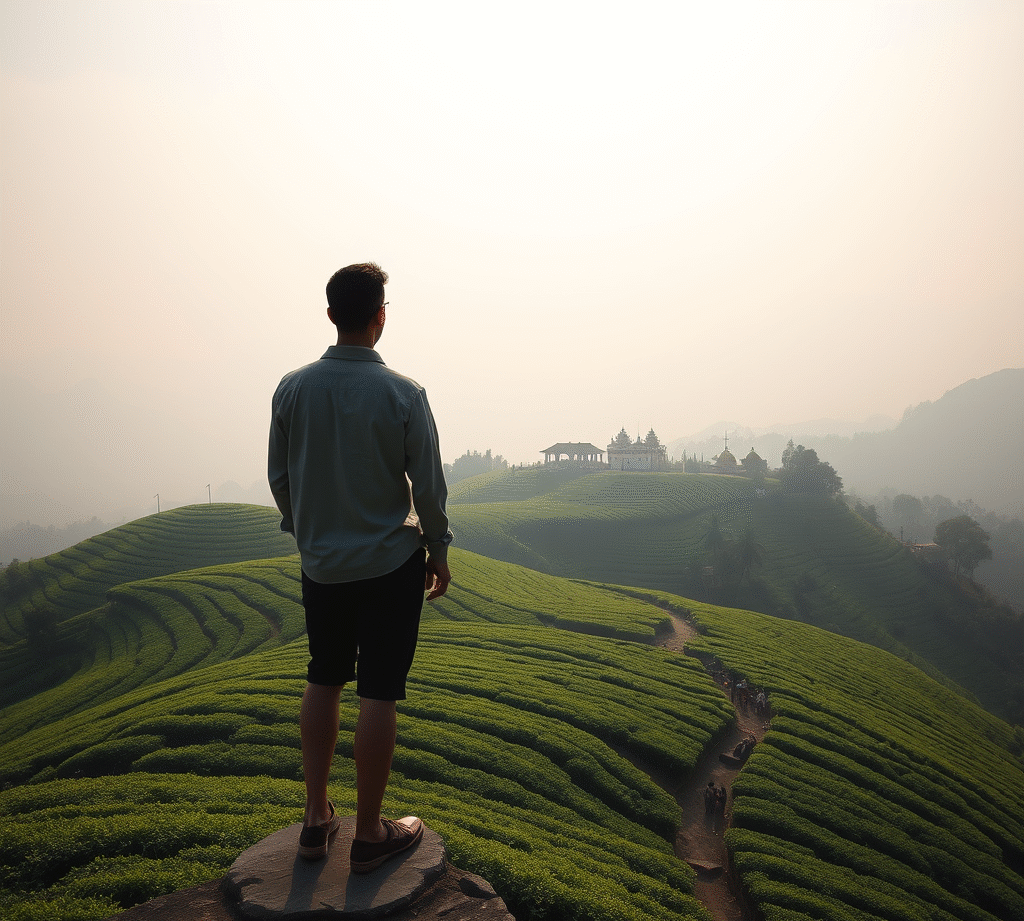
India’s Diverse Hill Stations: Charm to Eco-Adventures
Introduction: The Soulful Heartbeat of India’s Mountains
India, a land bursting with life and endless variety, offers travelers truly extraordinary experiences, especially high up in its majestic hill stations. Beyond the well-known routes, you’ll find a vibrant mosaic of landscapes, cultures, and adventures, just waiting for you to explore. Imagine the nostalgic whispers of British colonial elegance nestled in the Himalayas, or the raw, untouched beauty of tribal eco-reserves. India’s peaks promise more than just stunning views—they offer a journey that connects you, helps you reflect, and leaves you feeling completely refreshed.
This article invites you into two distinct, yet equally mesmerizing, sides of India’s hill station story: the iconic “Queen of Hills,” like Mussoorie and its Himalayan companions, and the offbeat “Silent Valley of Odisha” in Mandasaru. We’ll dive into what makes each place special, uncover their hidden gems, and shine a light on the growing movement towards travel that’s both thoughtful and kind to our planet.
The Queen of Hills: Mussoorie and the Enduring Himalayan Story
When we talk about the “Queen of Hills,” Mussoorie instantly comes to mind. It’s a true gem, nestled snugly in the Garhwal Himalayas. Its magic comes from a perfect blend of natural beauty, pleasant weather, and a lovely historical past. But this title actually stretches to a wider region, embracing other beloved hill stations like Darjeeling, Ooty, and Shimla—all celebrated for their magnificent natural settings and old colonial tales.
A Peek into Grand Old Times Stepping into Mussoorie feels like walking right into a history book. The town proudly shows off its British colonial roots through its architecture, visible in grand places like the stately Welham School and the peaceful St. Paul’s Church. Just picture those intricate Gothic wood carvings, the elegant fluted columns, and the timeless charm that defines so many of its buildings. A leisurely stroll down Mall Road reveals not just bustling markets but also echoes of a bygone era, where every old structure seems to have a story to tell.
Nature’s Warm Embrace and Adventure Calling Beyond its historical facade, Mussoorie opens up to the wild, resilient beauty of the Himalayas. If you love nature or crave adventure, you’ll feel right at home here:
Kempty Falls: A cascading natural pool where the waters invite you to cool off and relax.
Lal Tibba: Standing at Mussoorie’s highest point, this spot offers incredible panoramic views of the majestic Garhwal Himalayas, including revered peaks like Badrinath and Kedarnath.
Nag Tibba Trek: For those seeking a moderate climb, this trek rewards you with stunning vistas and that satisfying feeling of reaching the top.
Paragliding over Doon Valley: Imagine the thrill of soaring high above the picturesque landscape, enjoying a truly unforgettable bird’s-eye view of the green valley below.
A Rich Cultural Tapestry and Delicious Eats The real heart of these Himalayan regions lies in their lively local communities—the Gorkha, Garhwali, and Nepali people. Their traditions, crafts, and warm hospitality offer a truly enriching experience:
Local Fairs and Folk Music: Dive into the rhythm of traditional celebrations and let the music move you.
Mall Road Handicraft Markets: Discover beautiful wool weaving, detailed wood carvings, and delicate silver filigree work—they make perfect souvenirs and help support local artists.
A Culinary Journey: Treat yourself to local snacks like steaming momos and hearty thukpa. And don’t miss Garhwali specialties such as aloo ke gutke, the rich chainsoo, and the sweet bal mithai.
The Poetic World of Indian Tea Tea cultivation plays a big part in the “Queen of Hills” experience, with its roots deep in British-era plantations. It’s more than just a crop; it’s a cultural ritual and a hands-on experience. Many estates welcome you to:
Tea Tastings: Sample delicious local brews and learn to appreciate their different flavors and aromas.
Plantation Tours: Follow the journey of tea, from the tiny leaf to your cup, seeing the careful process up close.
Resources for Deeper Dive: For tea lovers, the Tea Society of India and Tea Board of India offer fantastic ways to learn more about India’s rich tea story.
Wellness and Rejuvenation in the Mountains Mussoorie’s peaceful setting is also perfect for finding peace and well-being. Look out for:
Yoga Studios: Practice your poses surrounded by the calm mountain air.
Forest Bathing Walks: Try Shinrin-yoku, the Japanese practice of connecting with nature to boost your mental and physical health.
Ayurvedic Therapies: Experience traditional Indian healing, using local herbs and ancient techniques.
Travel Tip: You can easily reach Mussoorie via Dehradun, a lovely 35 km drive. The best times to visit are usually April to June or September to November for wonderful weather.
Mandasaru: Getting to Know the Silent Valley of Odisha
Away from the usual spots, India holds treasures like Mandasaru, lovingly called the “Silent Valley of Odisha.” This offbeat destination shows a growing interest in lesser-known places, offering special natural wonders and a deep connection to community-led conservation.
An Eco-Wonder in a Biosphere Reserve Nestled in the pristine Mandasaru Gorge, about 34 km from Daringbari, this area is a designated Biosphere Reserve—proof of its ecological importance. Mandasaru promises experiences you won’t find just anywhere:
Magnetic Hill/Magnetic Rock: Get ready for an intriguing phenomenon! This “Radar-Black area” is said to have a strong magnetic pull, creating an illusion where vehicles seem to roll uphill on their own. It’s a wild feeling that seems to bend the rules of nature.
Echo Point: Find places where your voice bounces back, adding a playful touch to your nature walk.
Frequent Weather Changes: Experience the sudden shifts in climate that make the valley even more special, from misty mornings to sun-drenched afternoons.
Community-Led Conservation and Tribal Heritage The heart of Mandasaru is powered by a deep commitment to conservation, living within its tribal communities. Here, local beliefs truly drive their efforts to live sustainably:
Goddess “Thakurani”: Locals believe their Goddess Thakurani protects them, encouraging profound respect for the forests and their ecosystems. This spiritual link fuels the community’s efforts to protect their forests.
Tribal Villages: Visiting these villages offers a real look into indigenous cultures, traditions, and a way of life that’s deeply connected to nature.
Planning Your Offbeat Escape Mandasaru offers a real, budget-friendly experience for adventurous travelers.
Accommodation: The English-style wooden bungalow, built by the government, offers a cozy stay with three triple-bed rooms. You should definitely book ahead via ecotourodisha.com because they only have a few rooms. The cost is super affordable, typically between INR 1500-2000 per room.
Activities:
Wildlife Safari: Explore the diverse plants and animals (with a permit).
Hiking Magnetic Hill: Experience that special magnetic pull yourself.
Visiting Tribal Villages: Engage respectfully with local communities.
Budget & Safety: Mandasaru won’t break the bank and is generally safe from wild animals. However, always pack mosquito repellent and remember to show true respect for tribal culture and customs. While safe for solo women travelers, if you’re exploring very remote spots, joining a group can be a good idea.
Travel Tip: Mandasaru is perfect for those craving raw nature, quiet peace, and a culturally immersive experience away from the tourist crowds.
Sustainable Travel: A Shared Value Across India’s Peaks
Both the popular “Queen of Hills” and the emerging “Silent Valley” highlight an important change in modern tourism: the focus on sustainable and responsible travel. This isn’t just a fleeting trend; it’s essential for protecting these precious destinations.
Why Responsible Tourism Matters
Eco-Certified Accommodations: Look for hotels and guesthouses that truly care about the environment by saving energy, reducing waste, and buying from local sources.
Waste Management: Back places and projects that actively tackle waste and participate in planting new trees. Always think about your own impact on nature.
Ethical Photography & Storytelling: Your photos tell a story. Always ask permission before photographing locals, especially in tribal areas. Don’t disturb animals or their homes. Share real, positive stories that honor local culture and the environment.
Respecting Cultural Sensitivity: Approach communities with an open mind and honor their traditions, beliefs, and way of life.
Supporting Local Communities Sustainable tourism directly benefits the people who live in these places. When you choose local guesthouses, eat at local eateries, and buy from local artisans, you put money directly into their hands and help them keep their special cultural heritage alive.
Beyond the Postcard: Hands-On Travel in India
The Indian tourism scene is changing, moving past just sightseeing to offer deep, immersive experiences. The mention of “Solitude Farm: A Farm To Plate Experience” really shows how popular this is becoming. Travelers are increasingly looking for chances to:
Farm-to-Table Experiences: Connect with where your food comes from, learn about organic farming, and enjoy fresh, locally-grown meals.
Wellness Retreats: Journeys focused on yoga, meditation, Ayurvedic treatments, and forest bathing for complete well-being.
Deep Cultural Connections: Join workshops (like pottery or weaving), take part in local festivals, or simply share stories with villagers.
These specific interests allow for a deeper connection and help you truly appreciate India’s diverse offerings.
Conclusion: Your Journey into India’s Mountain Tapestry Awaits
From the colonial charm and adventurous spirit of the “Queen of Hills” to the untouched, magnetic allure of Mandasaru, India’s hill stations offer a beautiful mix of experiences. Each destination, while distinct, shares one big thing they all share: an invitation to connect—with nature, with history, with culture, and with yourself.
When you travel sustainably and mindfully, you not only embark on an unforgettable adventure but also help protect these amazing spots for generations to come. Whether you’re chasing the thrill of the Himalayas or the serene quiet of an eco-reserve, your journey into India’s diverse mountain landscape promises to be truly life-changing.
Ready to explore the majestic mountains and serene valleys of India? Start planning your next adventure today!