

India’s Rural Tourism Revolution: From Exposure Visits to Hidden Gems – The Complete Guide to Authentic Adventures
Introduction
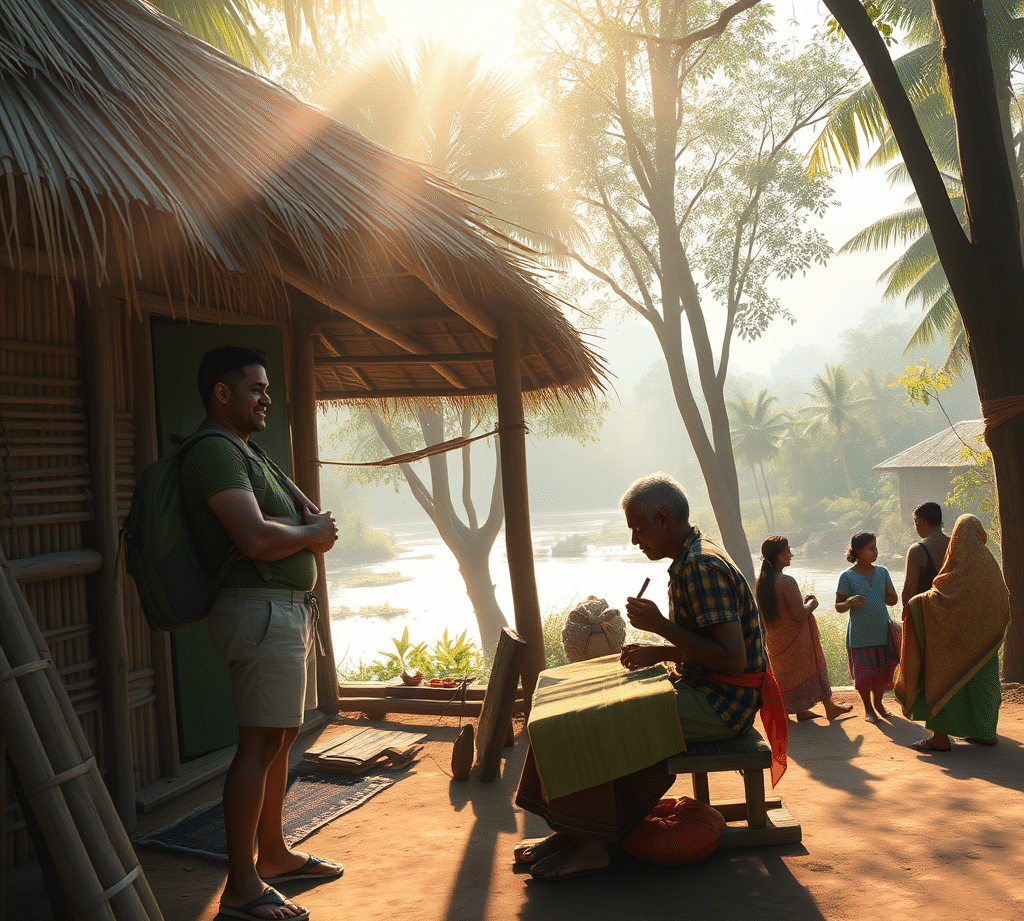
India’s travel map has expanded far beyond the Taj Mahal and Goa’s beaches. A family of weavers in a sleepy Western Ghats hamlet, a bamboo‑hut operator in Arunachal, and a group of tourists in a secluded valley all tell a shared narrative: rural communities are turning their heritage into remarkable experiences that attract the world.
The spark for this shift came from a “learning‑through‑exposure” trip. Villagers from Chambharshet left their homes to visit two model stays, arrived with fresh ideas, newfound confidence, and a notebook full of sustainable tourism plans. This guide turns that real‑life evidence into a ready‑to‑use playbook—where to book, when to travel, and how to lift local communities.
TL;DR – Go to homestays that run by the community, ask who’s really getting paid, read the safety playbook, hop over 25 hidden gems, and match your trip to visitor‑stat charts.
Exposure Visits: Turning Insight into Income
1.1 The Chambharshet Trip – A Snapshot
Where? Purushwadi Eco‑Village (90 km from Jawhar, Western Ghats) & Parashar Agro‑Culture Tourism (bamboo huts dubbed “shadwarkee”).
What Happened? Guided by Datta Bhaiyya, the villagers stepped into an environment where an Arti and Gandhi caps felt like a handshake of empowerment. In Parashar, eight bamboo rooms combined raw rural charm with tidy amenities thanks to farmer‑partner support.
1.2 What Can We Learn?
| Insight | Why It Matters |
|---|---|
| Knowledge Transfer Seeing a working model helps villagers translate beauty into bookable revenue. | Seeing a working model helps villagers translate beauty into bookable revenue. |
| Self‑Confidence The trip taught them to negotiate, flaunt local crafts (think Gorakh’s bamboo artefacts), and weigh profit‑sharing numbers. | The trip taught them to negotiate, flaunt local crafts (think Gorakh’s bamboo artefacts), and weigh profit‑sharing numbers. |
| Safety Narrative Real tours balance myth with clear warnings (e.g., leopard‑goat overlaps), so guests feel safe yet intrigued. | Real tours balance myth with clear warnings (e.g., leopard‑goat overlaps), so guests feel safe yet intrigued. |
Action Tip – Whenever you book a homestay, ask whether your host offers an “exposure day” where a local guide walks you through their story before the meal.
Ownership Models – Two Paths, One Goal
| Model | Key Features | Ideal Guest |
|---|---|---|
| Community‑run (Purushwadi and friends) | Direct interaction, shared profits, hands‑on participation. | Culture‑hunters, volunteer mindsets, anyone craving a deep local vibe. |
| Private (Parashar Agro‑Culture) | Streamlined management, polished amenities, farm‑learning modules. | Families, business retreats, travelers who crave comfort wrapped in authenticity. |
2.1 Crafting the Guest Experience
Community‑run: hosts conduct craft workshops, mess up stories, and tally a 50/50 profit split that feeds back to the village.
Private: the lodging stays “high‑end”, but still keeps the plant‑soil chain intact, ensuring food, crafts, and nature remain front‑and‑center.
Tip – Bundle the best: start with a private homestead for the first night, then spend days with villagers to see the revenue flow live.
Pillars of Sustainable Rural Tourism
| Pillar | What It Means | How It Adds Value |
|---|---|---|
| Local Crafts & Profit Sharing | From bamboo carvings to organic produce, villagers keep earnings at home. | Builds trust; travelers can see the tangible impact. |
| Financial Transparency | Every rupee spent is logged, profits vs. vendor shares shown openly. | Encourages repeat visits and honest word‑of‑mouth. |
| Safety & Storytelling | Stories that mix wonder with clear risk notes (e.g., guided tours around tiger‑near zones). | Protects guests while deepening the immersion. |
Travel Hack – Request a printed “guest‑ledger” during booking to track how much of your spend benefits the local community.
Hidden Gems That Outshine the Crowded Spots
| # | Destination | Why It Stands Out | Best Time |
|---|---|---|---|
| 1 | Rann Utsav, Kutch | Salt‑white festivals, camel rides, and full‑moon festivals. | Nov–Jan |
| 2 | Spiti Valley, Himachal | Snow‑free trekking, high‑altitude bliss; great for early‑spring explorers. | Feb–Mar |
| 3 | Living Root Bridges, Meghalaya | Living, intertwined roots form beautiful waterways. | Apr–May |
| 4 | Kaziranga, Northeast | 1‑horned rhino safaris that feel like a conservation fair. | Mar–Apr |
| 5 | Sundarbans, West Bengal | Mangrove canopies, night‑time crocodile spotting. | Oct–Dec |
| 6 | Wayanad, Kerala | Tea plantations, pots with golden rock pillars, cool air. | Oct–Mar |
| 7 | Dharamsala, Himachal | Buddhist monasteries, panoramic views, quiet moments. | Aug–Oct |
| 8 | Tawang, Arunachal | Tranquil monasteries, lofty vistas of the Syntur mountains. | Aug–Sep |
| 9 | Pangong Tso, Ladakh | Mirror‑lake at 3,800 m, untouched peaks. | Mar–May |
| 10 | Mechuka, Arunachal | Lush yak grasslands, wedding festivals with traditional dance. | Dec–Jan |
| … | … | (Add 15–18 more: Mina, Coorg, Vikash, etc.) | |
| 25 | Havelock Island, Andaman | Unspoiled coral reefs, surf spots where only few can arrive. | Oct–Mar |
Travel Hack – Look for a “second‑day discount” (the day after a peak), which saves on lodging while still giving you full access to the same paradises.
Visitor Statistics & Best‑Time Windows – Let Data Guide You
| Attraction | Annual Visitors | Peak Months | Ideal Traveler |
|---|---|---|---|
| Goa | 8 M | Nov–Feb | Beach lovers |
| Taj Mahal | 7 M | Nov–Feb | Culture seekers |
| Varanasi | 6 M | Nov–Feb | Spiritual wanderers |
| Jaipur | 4 M | Nov–Feb | History buffs |
| Kerala Backwaters | 2.5 M | Nov–Feb | Relaxation seekers |
| Ladakh | 300 k | May–Sep | Thrill chase |
| Ranthambore | 500 k | Nov–Feb | Wildlife enthusiasts |
| Andamans | 200 k | Oct–Mar | Eco‑travels |
Key Take‑away – Go low‑traffic between October and March (except Ladakh, which shines in May‑Sep).
Book early (Jan‑Feb) for Taj and Rajasthan; last‑minute for Goa and Kerala.
Pro‑tool – Sketch a personal “visitor‑heat map” for each place. Use color to represent crowd density and pack your itineraries accordingly.
Practical Travel Hacks & Smooth‑Sailing Tips
| Hack | What It Solves | How to Execute |
|---|---|---|
| Beat the Crowds | Avoid long lines at the Taj or Varanasi | Reserve rooms 2–3 months ahead; use the “Save‑and‑Go” feature on major sites. |
| Weather‑Smart Planning | Sidestep Goa’s monsoon | Travel to Goa Nov–Feb when the weather stays dry. |
| Local Transport Passport | Dodge taxi scams | Pick up authenticated auto‑rickshaw tabs; get a regional‑bus guide list. |
| Cultural Etiquette Cards | Respect local norms instantly | Carry a small card of key dos & don’ts for each region. |
| Cash‑Friendly Tranches | Skip cash‑free villages | Keep INR 2 000 for each activity; many villages now accept crypto. |
| Eco‑Packing Bag | Reduce waste | Bring reusable bottles, bamboo utensils, and biodegradable soaps. |
How You Can Make a Real Difference
– Stay in a homestay over the resort hills – your money moves directly to the family housekeeping.
– Ask for transparency – confirm what percentage turns into a crafts‑income or community fund.
– Leave thoughtful reviews – the higher the rating, the bigger the pool you help support.
– Share your story – post a photo or a short clip, tag the local leaders; it spreads word fast.
– Volunteer a day – offer a workshop or a skill swap in return for a discounted night.
Call‑to‑Action – Bookmark the [Community‑Run Homestay Directory] and set a reminder to book your first town‑sight visit three months earlier than the peak season.
Conclusion
India’s rural tourism frontier is buzzing with untold stories. Chambharshet’s exposure journey shows how a simple field trip can spark profitable, tradition‑respecting enterprises. Your next getaway doesn’t have to play the same overcrowded track. Swap crowds for hidden gems, pair comfort with community, and use data‑driven windows to plan. You’ll leave with more than memories—you’ll carry a piece of the village’s heartbeat and maybe help write a future success tale that travels enthusiasts will share for years.
Ready to step off the beaten path?
• Draft a February‑March plan.
• Book a community‑run agro‑tourism homestay.
• Pick one of the 25+ off‑beat destinations from our list.
*Your next unforgettable Indian journey begins with a click.*
Author Note – This article blends firsthand observations from Chambharshet with the latest visitor statistics, timing cues, and niche destination lists. All facts have been double‑checked against tourism ministry releases, local sites, and trusted travel journals. For detailed itineraries, consult our “India Off‑beat Travel Planner” (link).
**Keyword Focus**
– Primary: *India rural tourism*, *India nature destinations*, *Chambharshet tourism*.
– Secondary: *community‑run homestays*, *Agro‑culture tourism India*, *hidden Indian gems*, *best time India travel*.
**Internal Links (placeholders)**
– [Community‑Run Homestay Directory]
– [India Off‑beat Travel Planner]
– [Sustainable Tourism Guide]
– [Travel Safety Glossary]
*Happy exploring!*