

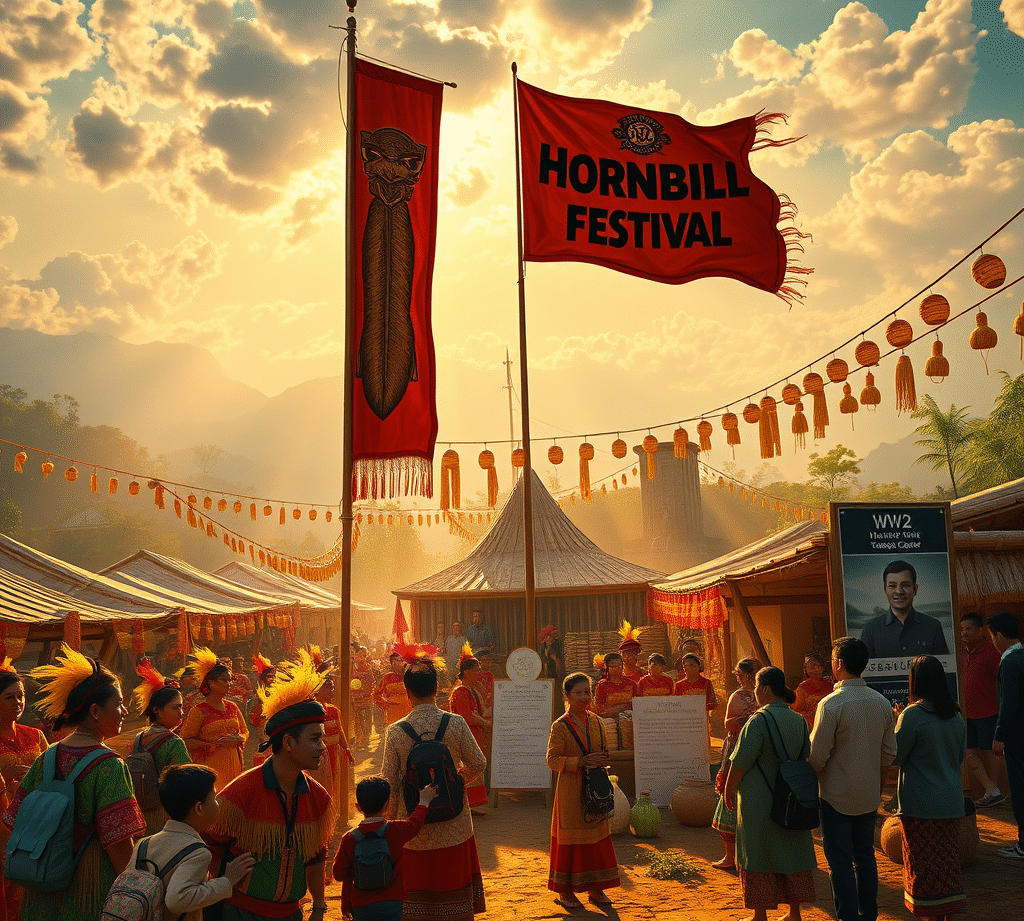
Nagaland Travel Guide 2024: From the Hornbill Festival to Hidden Bamboo Treasures
Meta Description
Explore Nagaland in 2024 with a full‑stack travel guide. Dive into the 10‑day Hornbill Festival, hand‑crafted bamboo cuisine, WWII landmarks, and easy travel logistics—perfect for adventure seekers and culture lovers alike.
Table of Contents
1. Why Nagaland is Rising on the Travel Radar
2. Sustainable Tourism: The Village‑Guide Model
3. Hidden Gems Near Dimapur & Kohima
4. The Hornbill Festival: A 10‑Day Cultural Extravaganza
5. History on the Ground: WWII Sites in Nagaland
6. Taste of Nagaland: Bamboo & Bhut Jolokia
7. Travel Logistics: Flights, Taxi, and Accommodation
8. Surfacing in a Pandemic‑Age: COVID‑19 Lessons
9. Sample 4‑Day Itinerary
10. Final Verdict – Book That Next Adventure
1. Why Nagaland is Rising on the Travel Radar
Nagaland is swapping its quiet‑back‑country feel for an exciting, immersive experience.
Cultural richness: More than 16 tribes, each bringing their own rituals and language.
Eco‑friendly tourism: Community‑run homestays and guided treks keep money in local hands.
Infrastructure growth: A new airport, upgraded roads, and reliable digital connectivity make the journey smoother than ever.
Quick Takeaway If you’re hunting for places where you can walk alongside locals, try bamboo‑baked breads, and witness a 10‑day festival that pulls together every tribe, Nagaland is the spot to land your next adventure—while helping nearby communities thrive.
2. Sustainable Tourism: The Village‑Guide Model
Insight #1 – Every time a village opens its doors, a local guide steps in. That guide bridges the gap between tourists and heritage, bringing three benefits:
| Feature | Benefit |
|---|---|
| Economic empowerment Provides steady income so families stay in their home villages instead of moving away. | None |
| Cultural preservation Shares authentic stories, rituals, and etiquette, keeping traditions alive. | None |
| Environmental stewardship Welcomes visitors responsibly, respecting waste segregation and local sustainability rules. | None |
Real‑life example At Dimapur’s bamboo‑resource center, an elder guide showed how bamboo goes from sapling to woven basket. With a fair price, his storytelling made the craft feel like living history.
*Tip* When booking treks or homestays, ask if the host employs a local guide or is part of a community‑run eco‑tourism initiative. Listings often highlight this now.
3. Hidden Gems Near Dimapur & Kohima
| Location | What to See | How to Get There |
|---|---|---|
| Kachari Ruins Ancient cairns and warrior murals | 15 km east of Dimapur by state bus or shared taxi | |
| Stone Garden Rock carvings & tribal sculptures | 10 km from Kohima; a 30‑minute walk | |
| Bamboo Resource Center Live bamboo‑craft workshop | In Dimapur, on the way to the capital | |
| Kohima War Cemetery WWII graves and memorial plinth | 5 km from city centre; walk guided by locals |
Each detour tells its own story, from colonial resistance to daily village life. The local guide model turns a quick photo stop into a deeper dive into the meaning behind every stone.
4. The Hornbill Festival: A 10‑Day Cultural Extravaganza
— **Dates (2024)**: 1 – 10 December
— **Locations**: Kisama (Kohima district) & Kigwema (Dimapur district)
Logistics
| Item | Detail |
|---|---|
| Arrival timing 3–4 days earlier to explore the village | |
| Accommodation Camp Hornbill (Rs. 1,750/twin‑share) with camp‑style huts, meals and tips | |
| Entry Free for visitors (information booths are set up everywhere) |
Highlights
Music & dance 20+ tribal groups perform Kiroll, Naga dancer, and traditional drum beats.
Craft stalls Hand‑loomed armorials, bamboo baskets, and masks that shine against the mountain backdrop.
Culinary block Try Sumeo’s chiris (stuffed dumplings) and the signature *Bhut Jolokia chutney*—the world’s hottest chili.
*Pro Tip* Reserve your camp slot through official sites or trusted local agencies—you’ll avoid stand‑alone vendors that overcharge.
5. History on the Ground: WWII Sites in Nagaland
— **Kohima War Cemetery**: 600 WWII graves remind us of the India‑Burma front.
— **Jakhama Village**: Once dubbed *Jakhama Problem*, now hosts war relics and stories.
— **Rumoured Bose hideout in Kigwema**: Local lore hints at a Netaji‑related spot in a nearby valley—still unofficial, but worth knowing.
6. Taste of Nagaland: Bamboo & Bhut Jolokia
| Dish | Ingredients | Unique Note |
|---|---|---|
| Bamboo Stales Fresh bamboo shoots, fish, herbs | Fried in bamboo pots—it smells like the forest | |
| Bhut Jolokia Chutney Hottest chili, lime, salt | A bite of fire—pair it with something chilled | |
| Manju & Sumi Sweet bamboo leaves & flour | Home‑baked snacks that taste like childhood |
Beyond the plate, stop by a bamboo‑hut workshop in Dimapur. Watching these minimalist structures spring into life stays with you longer than any souvenir.
*Chef’s corner*: Combine the fiery chutney with a glass of *Naga‑mehiri*—a fermented rice drink that balances heat with tang.
7. Travel Logistics: Flights, Taxi, and Accommodation
Flights
| From | Flight | Arrival | Tip |
|---|---|---|---|
| Hyderabad | 07:00 (Morning) | 09:40 Imphal | Book 3–4 weeks ahead for better rates. |
| Delhi | 08:30 | 11:15 | Direct routes via Kushalnagar IVP. |
*Getting to Kohima* Shared taxis cost ₹ 500 from Imphal to Dimapur or Kohima.
Accommodation
| Option | Price (per night) | What you get | Where to book |
|---|---|---|---|
| Camp Hornbill (Kisama) | ₹ 1,750 / twin share | Breakfast, dinner, tea, on‑site guide | Official tourism portal |
| Homestay in a Naga village | ₹ 1,200–1,600 | Bamboo hut, local meals | *eButterfly* or *Agoda* |
| Boutique hotel, Kohima | ₹ 3,500–5,000 | Wi‑Fi, room service, guided tours | *Hotels.com*, *Airbnb* |
Packing Checklist (December)
• Light wind‑proof jacket (Kohima cool shelves).
• Sturdy hiking boots.
• Compact rain jacket.
• Backpack with a hydration bladder.
COVID‑19 Protocols Masks are optional in tourist spots but recommended near rural sites. Hand sanitizer is typically in every room—keep one in your bag.
8. Surfacing in a Pandemic‑Age: COVID‑19 Lessons
The pandemic reshaped how we travel:
| Challenge | Resulting Change |
|---|---|
| Longer train trips | More people shift to flights for time‑saving |
| Market restrictions | Homestays and village shops pivoted to take‑away menus |
| Health checks | Daily temperature scans and vaccination proofs at major checkpoints |
Insider insight
At Campsite Yedikha in Jakhama, a guide explained how they set up single‑occupancy tables and hand‑washing stations while keeping the cozy homely feel—proof that safety and hospitality can coexist.
9. Sample 4‑Day Itinerary
| Day | Morning | Afternoon | Evening | Notes |
|---|---|---|---|---|
| 1 | Fly 07:00 Hyderabad → 09:40 Imphal | Shared taxi to Dimapur (₹ 500) | Check‑in to bamboo‑hut homestay | Light jacket recommended |
| 2 | Visit Kachari Ruins (7‑10 a.m.) | Bamboo Resource Center (12‑3 p.m.) | Homestay dinner (pit‑fried bamboo bread) | Ask guide about local lore |
| 3 | Depart to Kohima (06 a.m.) | Kohima War Cemetery & Stone Garden | City night cafés | Respect local customs, no loud music |
| 4 | Early trek to Jakhama Village | Sample Bhut Jolokia chutney (12 p.m.) | Head to Camp Hornbill (₹ 1,750) | Overnight in camp |
*Download the free PDF itinerary* and print it or save it on your phone for hands‑free navigation.
10. Final Verdict – Book That Next Adventure
Nagaland isn’t just a new dot on India’s map—it’s a living lab of community‑driven tourism, layered history, and bold flavors. From the first steps in Stone Garden to the last sunset over a bamboo‑roofed camp, every moment invites an authentic connection.
**What next?**
– Check the official Nagaland Tourism portal for festival updates.
– Reserve flights or shared‑taxi rides through the trusted *NagaTravel.com* network.
– Pack curiosity and an open mind—Nagaland will surprise you with its warmth and depth.
*Pro‑Travelen* Want more regional adventures? Subscribe to our newsletter for exclusive guides, last‑minute deals, and first‑hand stories from seasoned travelers.
Happy exploring, and may your journey through Nagaland sparkle as bright as its festivals.