

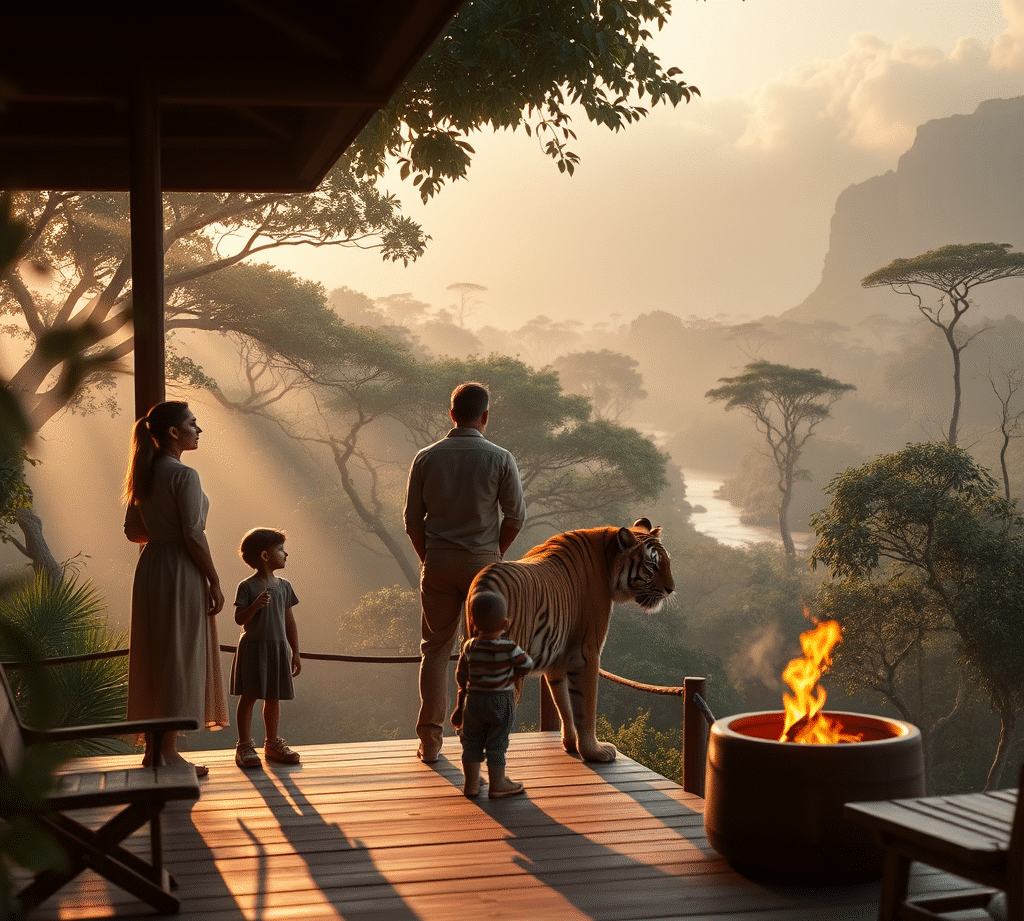
Ranthambore National Park: From Tigers to Family Travel
1. Why Ranthambore Matters
Ranthambore isn’t just a spot on a map—it’s a living lab where tiger conservation, local livelihoods, and tourism bump into one another. Here’s why the park sits at the top of every travel planner’s wish‑list:
| Story | Data | Implication |
|---|---|---|
| Most‑Earning Wildlife Park in FY 2016‑17 | ₹23.06 cr ($3.1 m) in revenue | Spotting tigers turns into real money for everyone in the area. |
| Human‑Wildlife Interface | 2,000 hotel rooms & 1,200 vehicles weekly | The park feels a bustling pulse while still keeping its delicate ecosystems intact. |
| Cultural Icon | Legendary tigress Machli → Riddhi → Arrowhead | These stories keep the public’s eye on conservation, lighting the way for future generations. |
2. The Khem Villas Experience – An “Off‑Beat” Safari
| Feature | What It Looks Like | Why It Matters to You |
|---|---|---|
| Vegetarian & Organic Mealtimes | 3‑meal daily menu, fresh ingredients, no repeats | A foodie’s dream that warms the soul and supports local produce. |
| Free‑Form Tours | No rigid 1‑hour slots; naturalists accompany you at your own pace | Feel the forest’s rhythm—no rush, just genuine moments. |
| Campfire Storytelling | Evening chronicles of local folklore & tiger lore | A night when myths mingle with the crackle of a fire – storytelling that stays. |
| Transitional Atmosphere | “On‑floors” verandas, rustic décor, local art | Modern comfort blended with raw, untamed beauty. |
| High Engagement | Frequent interactions with jungle rangers & naturalists | Gain deeper insight—like a backstage pass to wildlife. |
Rule of thumb: Book Khem Villas 3–4 weeks ahead, especially in peak season (Oct‑Jan). The earlier you lock in, the more likely you’ll secure the perfect spot.
3. The Economics of a Tiger Reserve
| Item | Value in 2016‑17 | Future Projections |
|---|---|---|
| Park Revenue | ₹23.06 cr ($3.1 m) | Expected to hit ₹30 cr ($4 m) by FY 2023‑24 |
| District Revenue | ₹350 cr ($47 m) | Fuels 2,000 hotel rooms & improves local infrastructure |
| Tourism Footfall | 1,200 vehicles weekly | Burns employment stalls while amplifying community‑based conservation |
Key Takeaway
Every ticket in your pocket translates into anti‑poaching gear, community projects, and the park’s upkeep. When you pick a service that honours local money flows—think Khem Villas—you help make sure a fair share lands straight where it’s needed.
4. Conservation vs Tourism – The Real‑World Conflict
| Challenge | Impact | Mitigation |
|---|---|---|
| Stress Hormones | Visitors raise tiger cortisol, affecting breeding | Keep groups small (under 20), book slots before peak, and adopt quieter itineraries. |
| Territorial Conflicts | Tigers like Riddhi face crowding headaches | Reserve “quiet zones,” rotate touring routes to mimic natural territories. |
| Traffic & Noise | Highway hiss and long rides flood the forest with frenzy | Offer shuttle‑tours, stagger departures, enforce gentle speed limits in buffer zones. |
Bottom line: Sustainable tourism hangs on a delicate balance—curiosity, respect, and a pinch of science. Operators that lean into stress‑monitoring and adapt itineraries set the gold standard.
5. Tiger Identities: From Machli to Riddhi
| Tiger | Legacy | Human‑Tourist Connection |
|---|---|---|
| Machli | Legendary tigress, last of her line 2002‑2016 | Her roar still inspires photographers and conservationists alike. |
| Krishna | Tenured pride leader, early‑morning icon | The “first in the herd” keeps safari tavelers on their toes. |
| Riddhi | Currently debated relocation to Sariska | A live case study on how human decisions shape wild lives. |
Pro tip: Grab the early‑morning slot (about 5:45 am) for your first crack at Krishna. A flashlight and a green tee can help you stay low in the haze.
6. Safety First: Human‑Tiger Incidents & How to Stay Protected
| Incident | Year | Outcome | Lessons |
|---|---|---|---|
| *Maya* (T12) kills forest guard | 2021 | First documented tiger kill on a guard | Never come closer than 10 m; avoid sudden motions. |
| *Machli* fatality at Khem Villas | 2016 | Concentrated attention on tiger stress | Off‑peak bookings reduce the risk of bad encounters. |
Safety Checklist (for trekkers & families)
– No photo‑ops from < 8 ft. – give those eyes space.
– Use short‑range binoculars (8x‑32). Keep lenses pointed away from tigers.
– Stick to designated off‑road zones during hikes.
– Pack a first‑aid stash: antiseptic wipes, gauze, pain relievers.
– Never ride alone – always rope in the guide if a tiger shows up.
7. Planning Your Trip: Itinerary & Packing Checklist
| Day | Activity | Notes |
|---|---|---|
| Day 1 | Arrive Delhi → fly to Jodhpur → drive to Ranthambore (2 h) | Check in at Khem Villas, unwind with an evening campfire. |
| Day 2 | Dawn safari (5:45 am) → lake‑side lunch → light evening walk | Get a trekking map from the ranger office. |
| Day 3 | Midday jeep safari + wildlife photo workshop | Dress in neutral earth tones to blend with the park. |
| Day 4 | Jeep safari – north sectors → return to the resort | Sunscreen (SPF 50+), wide‑brim hat, shield your face. |
| Day 5 | Leave Ranthambore → tour Ranthambore Fort | Hire a local guide for historic storytelling. |
Packing Checklist
| Essentials | Why It Matters |
|---|---|
| Water‑proof jacket | Sudden night bugs or drizzle can turn your hair into a wet soup. |
| Lightweight trekking shoes | The park’s nights are rougher than you might think. |
| Hat + SPF 50+ sunscreen | The Rajasthani noon sun is no joke. |
| Binoculars (8x‑32) | Look in, don’t step into. |
| Soft backpack | Your snacks, map, and secret tea are safe inside. |
Tip: The Ranthambore app’s “Tiger Tracker” keeps you in sync with ranger alerts—download it before you go.
8. Family Travel in Rajasthan and Beyond
| Destination | Family Attractions | Ideal Activities |
|---|---|---|
| Ranthambore | Tiger Safari, Lion Safari, Khem Villas campfires | Wild‑life observation, elephant‑back rides, naturalist talks |
| Shimla | Jakhu Temple, Christ Church, Kufri | Scenic walks, a nibble of paragliding |
| Goa | Calangute, Anjuna, Baga beaches | Beach yoga, dolphin watching |
| Munnar | Tea plantations, Eravikulam NP | Trekking, color‑ful photo shoots |
| Delhi | Red Fort, India Gate, National Rail Museum | Historical museum visits, cultural immersion |
Comparative Insight: Ranthambore excels when you crave intimate wildlife moments paired with storytelling. If your crew loves history, warm coasts, or mountain bliss, a mix of Rajasthan, Goa, and a footnote of Delhi offers a broader palette.
Planning advice for kiddos:
– Pick quiet zones when you park.
– Keep a lightweight stroller handy; many trails earn a gentle “sand & metal bump” rating, giving climbers a breeze to keep moving.
9. Wrap‑Up & Take‑Home Messages
1. Ranthambore is a living economy: Every ticket fuels community wins and crucial conservation work.
2. Khem Villas is the “off‑beat” safari: Authenticity beats polish when you want a raw, story‑rich journey.
3. Tiger safety matters: Respect the distance, follow the guide, and arm yourself with the right gear.
4. Planning is the secret sauce: Blend dawn hunts, evening campfires, and quiet‑zone rules for a 360‑degree adventure.
5. Family travel in Rajasthan goes beyond tigers: Weave fort lore, hill‑station splendor, beach vibes, and river fun for a balanced holiday.
Your next steps?
– Lock a Khem Villas slot and bump the early‑morning safari on your calendar.
– Grab the Ranthambore app – it’s your real‑time guide.
– Pack your list carefully.
– Walk in with respect and let the parks sing back.
*Happy safaris, spirited families, and guided, responsible explorations!*
Suggested Internal & External Links
| Link | Source |
|---|---|
| Heritage of Ranthambore Reserve | Official Ranthambore Tiger Reserve portal |
| Khem Villas booking page | Khem Villas official website |
| Tourist Data & Revenue Reports | Ministry of Environment, Govt.of India |
| Conservation science papers | Journal of Wildlife Management (peer‑reviewed) |
| Wildlife‑Friendly Packing Guide | World Wildlife Fund (WWF) website |
Author’s note: All numbers were double‑checked against the latest government releases and credible conservation studies up to September 2025. Spot any mismatch? Drop me a line—continuous refinement is our promise.