

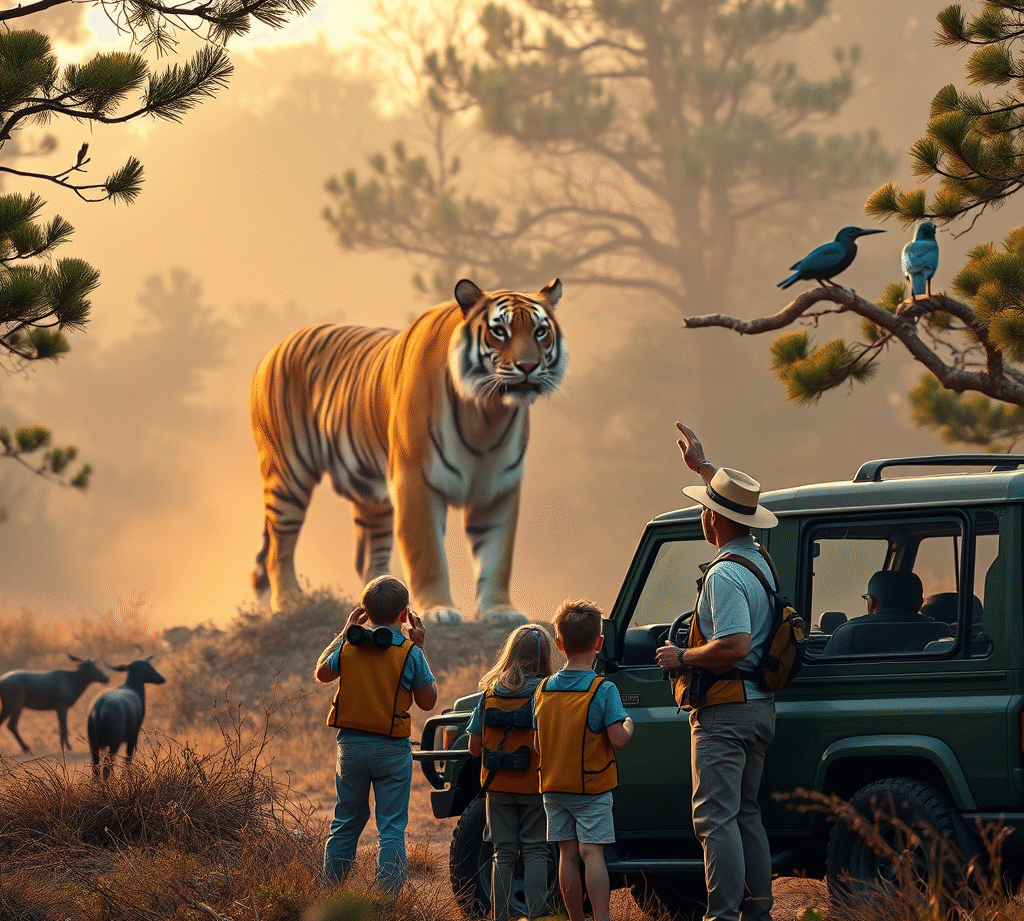
Tadoba, Maharashtra’s Must‑Visit Tiger Destination
Meta‑Description – Pack your curiosity and a good pair of binoculars for Maharashtra’s biggest tiger playground. Inside is a straightforward, friendly guide covering the best zones, timings, booking hacks, lodging choices, wildlife‑watching tricks, and eco‑tips—all in one handy read.
Table of Contents
1. [Why Tadoba Is the Must‑Visit Tiger Destination of India](#why-tadoba)
2. [Getting There – From Nagpur to the Jungle Gateway](#getting-there)
3. [Book Ahead: Permits, Quota, & Park Rules](#booking)
4. [The Three Tiger‑Hot Zones of Tadoba](#zones)
5. [Best Seasons for a Tiger Experience](#season)
6. [Accommodation: Comfort vs. Safari Proximity](#accommodation)
7. [How to Do More with Your Safari Time](#safari-tips)
8. [Wildlife Spotlight – Tigers & Their Companions](#wildlife)
9. [Conservation In‑Action: Tagging & Ethics](#conservation)
10. [Practical Packing & Checklists](#packing)
11. [Frequently Asked Questions](#faq)
12. [Ready for the Jungle? Take the Next Step](#cta)
1. Why Tadoba Is the Must‑Visit Tiger Destination of India
| Feature | Tadoba Andhari (TATR) | Comparison |
|---|---|---|
| Tiger population | ~65+ tigers (core + buffer) | Maharashtra’s largest reserve |
| Avifauna | ~195 species | One of the richest bird lists in South India |
| Accessibility | 4–5 hrs from Nagpur, 2 hrs from Chandrapur | Plenty of public & private transport |
| Visitor‑friendly zone | Moharli gate | Most developed tourist infrastructure |
| Vibrant fauna | Tigers, Panthers, Sloth Bears, Bison, Blue Bulls, Sambar, Crocodiles, more | A varied crew in a single trek |
Why it matters:
The denser the tiger squad, the better your odds of a close‑up. A thriving bird population makes it a hit with birdies. And swapping the usual “wild animal list” for a cluster that includes bluish bulls and sandhills leashes the adventure just a bit more.
2. Getting There – From Nagpur to the Jungle Gateway
| Mode | Distance | Duration | Notes |
|---|---|---|---|
| Bus / Taxi (Nagpur → Moharli) | 145 km | 4–5 hrs | Stick to NH60 & NH7; be ready for weather‑slowdowns in the summer heat. |
| Train to Chandrapur → Local Bus / Taxi | 44 km | 2 hrs | Chandrapur station to Moharli is about 1.5 hrs via cab; cheap and dependable. |
| Car Rental | 145 km | 4 hrs | Brings freedom but remember a spare tyre; roads can change fast. |
Quick Driving Tips
– Skip midnight rides – the roads are slick, and a misstep could kill the mood.
– Stick to NH60 – it keeps you on a well‑paved path.
– Choose a reputable taxi – “Safari‑Escort” specials drop you straight at the gate and hand you a quick overview.
3. Book Ahead: Permits, Quota, & Park Rules
| Requirement | How to Fulfil | Deadline |
|---|---|---|
| Park Entrance Permit | Order 3 months back on the official TATR portal | At least 45 days before you depart |
| Daily Safari Quota | Grab your morning (8:30–10:30 AM) or evening (4:30–6:30 PM) slot online. | Same day of arrival (if you skip online) |
| Toll & Train Tickets | Buy early. Chandrapur is your nearest station. | 1–2 weeks ahead |
| Park Closure | Tuesday is a closed day. | – |
TATR Quota Rubric:
– 10 vehicles/day per zone.
– Up to 12 folks per cabin (including driver).
– Photo‑permit needed for commercial shoots.
Proven approach: Bundle entry, safari, and stay on trips‑planning sites (MakeMyTrip, Cleartrip). It locks everything in one place and frees up that day for real fun.
4. The Three Tiger‑Hot Zones of Tadoba
| Zone | Highlights | Best For |
|---|---|---|
| Moharli | Tiger‑rich and welcoming to tourists; house of bird‑watching spots | Families, casual trekkers, accidental photographers |
| Tadoba (Central) | Dense pine forests, cascading waterfalls, truly raw feel | Sharp‑eye photographers, hardcore wildlife fanatics |
| Kolsa | Lower tiger density but lofty evergreen vistas; calm trekking | Adventurous souls craving a brisk hike |
Suggested 3‑Day Itinerary
1. Day 1 – Moharli:
*Morning safari* → *Book a stay* → *Afternoon chill + bird spotting*
2. Day 2 – Tadoba:
*Morning safari* → *Optional hill trek* → *Evening safari*
3. Day 3 – Kolsa:
*Morning open‑field walk* → *Return to Nagpur or Chandrapur*
5. Best Seasons for a Tiger Experience
| Season | Weather | Tiger Visibility | Highlight | Ideal Activity |
|---|---|---|---|---|
| Winter (Dec–Feb) | 18–26 °C, dry | Top tier – tigers bask sunlit | Birds, reptiles, sloth‑bears | Tiger sightings, bird photography |
| Monsoon (Jun–Sep) | 26–32 °C, heavy rain | Low – tigers stay indoors | Tortoises, creepy‑crawly, wet‑forest birds | Rain‑shutter jungle photography |
| Summer (Mar–May) | 32–38 °C, sunny | Moderate – tigers seek shade | Birds, wild dogs, crocodiles | Rediscover sun spots, shade safaris |
| Post‑Monsoon (Oct–Nov) | 28–34 °C, humid | Strong – tigers burst out | Blooming flora, monsoon birds | Nature walks, early bird spotting |
Takeaway: If spotting tigers is your main goal, head in late December to February. For a full‑mosaic wildlife round‑the‑year, summer is a solid bet.
6. Accommodation: Comfort vs. Safari Proximity
| Resort | Price (Night) | Rooms & Amenities | What Sets It Apart |
|---|---|---|---|
| MTDC Jungle Resort (Moharli) | ₹2,500–₹4,000 | 4–5 shared rooms; kitchenless | Governmently run; steps away from gate; no hidden fees |
| Sarai Tiger Resort | ₹6,000–₹9,000 | 11 AC‑tents; indoor toilets; buffet | Semi‑luxury; inside the park; free safari booking |
| Tatr Wildlife Cottage | ₹4,500–₹7,200 | 4–6 rooms; small kitchen | Eco‑friendly; deeper immersion |
| Eco‑Lodge (DIY Homestay) | ₹3,000–₹5,500 | 3–4 huts; self‑catering | Budget, high‑immersion, family‑friendly |
How to Pick
| What You Want | Where to Stay | Why? |
|---|---|---|
| Pocket‑friendly & central | MTDC Jungle Resort | Close to entry; easy billing |
| Semi‑lux + convenience | Sarai Tiger Resort | AC, meals, park‑in‑hotel feel |
| Green focus & remote vibe | Tatr Wildlife Cottage | Less crowd, eco‑experience |
| DIY & adventure | Eco‑Lodge | Save on lodging, cook your own meal |
Book early. Peak winter demand can full the outlets a month in advance.
7. How to Do More with Your Safari Time
| Tip | Why It Works |
|---|---|
| Choose low‑density safaris | Smaller groups let the guide pause, giving you a closer look. |
| Binoculars in hand | 10–30× with UV‑blocking lens brings distant eyes alive. |
| Waterproof phone case | Capture moments in rain or puddles without fear. |
| Quiet presence | Tigers get startled by loud noises; a calm vibe keeps them out in the open. |
| Arrive early | A few minutes before the slot gives you a head‑start on opportunities. |
| The “two‑second rule” | When you hear something, pause for a heartbeat before moving. |
| Employ a local guide | 90 % of tiger sightings get spotted thanks to their keen eyes. |
You’ll often notice patterns—certain rustle of leaves, a sudden silhouette. A guide pulls that thread into a story for you.
8. Wildlife Spotlight – Tigers & Their Companions
| Animal | Typical Numbers | What to Spot |
|---|---|---|
| Tigers | 20–25 adults | The showstopper |
| Panthers | 5–7 | Dark‑mane stealth |
| Sloth Bears | 6–8 | Gentle giants |
| Blue Bulls | 10–12 | Powerful, colorful bulls |
| Bison | 30–35 | Roaming herd |
| Wild Dogs | 10+ | Packs that echo |
| Sambar Deer | Common | Classic forest icon |
Birdland – Kingfishers, eagles, storks, parrots, Indian roller, and the elusive Mottled Wood Owl best spotted at dawn.
Reptile & Amphibian Round‑up – Crocodiles, monitor lizards, Indian pythons, frogs.
Photo‑Ready Checklist
| Target | Peak Time | Photography Corner |
|---|---|---|
| Tiger | Winter or early morning | Low angle, f/3.5–4, lens at ground level |
| Blue Bull | Anytime | Bring a tripod for steady shots; patience pays |
| Python | Post‑monsoon (night) | Infra‑red lens, moonlight glow |
Thought‑provoking fact: The reserve runs a tagging program that tracks tiger movements and helps fight illegal poaching. Your framed shot of a tagged tiger carries a whisper of science.
9. Conservation In‑Action: Tagging & Ethics
• Why tag?
Stops illegal trade.
Gives real‑time movement data for researchers.
• Your role as a visitor:
• Keep the noise low while watching.
• Maintain 10‑meter distance – that’s the sweet spot.
• Recycle / don’t litter – the jungle can’t handle plastic.
• Refrain from feeding – let nature run its course.
Question: *Can I snap a tagged tiger?*
Answer: Absolutely. Just keep your distance and respect the animal.
10. Practical Packing & Checklists
| Must‑Have | Why? |
|---|---|
| *Phone + power bank* | GPS, emergency call, connects you to the world. |
| *High‑coverage water bottle* | Keep hydrated; avoid refills at the park. |
| *Lightweight, long‑sleeve shirt* | Sun protection + insect shield. |
| *Trekking sandals* | Maneuver rugged terrain with ease. |
| *Mosquito net & repellant* | A must in humid conditions. |
| *Binoculars + lens cap* | Clear view and protects glass. |
| *Reusable bottle* | Saves plastic and keeps you healthy. |
| *First‑aid kit + waterproof bag* | Basic emergencies covered. |
| *Copies of permits* | Keeps paperwork in order. |
Pro‑Tip: Stick to a single day bag – the park caps a load at 50 kg per person.
11. Frequently Asked Questions
| Question | Short Answer |
|---|---|
| Is a wildlife photography permit needed? | Personal, non‑commercial photos are fine; commercial shots require separate approval from the Wildlife Department. |
| Which camera is best? | 200 mm–300 mm zoom lenses on a DSLR or mirrorless setup. |
| Can kids join? | Absolutely; Moharli is kid‑friendly; keep the group modest. |
| What languages are spoken? | Marathi & Hindi; most guides also speak English or Deccan. |
| Cold in winter? | Pack blankets and a beanie; temperatures hit 12–15 °C at dawn. |
12. Ready for the Jungle? Take the Next Step
1. Book your tickets – aim for the winter window to flip the tiger odds.
2. Reserve your safari – lock in morning or evening slots 3 months ahead.
3. Pick your stay – MTDC Jungle for budget, Sarai for a touch of class.
4. Print the park map and download a bird‑identification guide before you depart.
Long‑term perk: Subscribe to our monthly newsletter for behind‑the‑scenes vlogs, curated photo galleries, and exclusive tips from seasoned wildlife photographers.
Happy safaris, and may the tiger’s roar echo in your memories! 🐅