

The Eternal Rhythm: Finding “Sukoon Ke Pal” in Varanasi
Introduction:
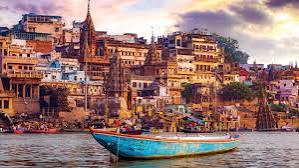
Varanasi, the eternal city of India, is a place where life and death dance in a constant, beautiful rhythm on the banks of the sacred River Ganga. Known as Kashi or Banaras, it is one of the oldest continuously inhabited cities in the world, a spiritual capital that hums with the energy of centuries of faith. At first glance, it is a whirlwind of chaos, but for those who surrender to its flow, it reveals a profound and ancient peace. To journey here is to find a unique sense of “Sukoon Ke Pal” (the serene rhythm of life and faith).
The Ghats: A Stage for Life and Eternity:
- The Living Waterfront: The
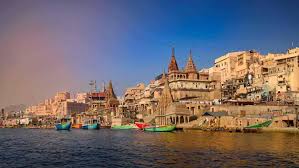
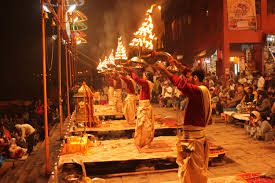
ghats—the riverfront steps of Varanasi—are the city’s heart and soul. Eachghathas a story and a purpose, from the bustlingDashashwamedh Ghat, where the famous eveningGanga Aartitakes place, to the quieterghatswhere locals perform their daily rituals. - A Cycle of Life and Death: Varanasi is a city that embraces the cycles of life and death with a unique sense of acceptance. The cremation
ghats, though solemn, are not morbid; they are a public, spiritual affirmation of the belief that death here is a path to liberation. This open acceptance of life’s finality can be a surprisingly peaceful and humbling experience. - The River’s Grace: The Ganga River is the lifeblood of the city. It is a goddess, a mother, and a constant, flowing presence. The sight of pilgrims bathing in its holy waters and the thousands of lamps floating on its surface during the
aarticreate a sense of deep spiritual connection.
A Sensory Immersion: Engage with the City’s Serenity:
To truly find peace in Varanasi, you must open all your senses to its ancient energy:
- The Sound of Devotion (Auditory): The air is thick with the sounds of faith: the ringing of temple bells, the chanting of hymns, the calls of boatmen, and the rhythmic
Omfrom a meditatingsadhu. This symphony of devotion creates a constant, soothing hum that is unique to this city. - The Colors of Kashi (Visual): Walk along the
ghatsand witness a stunning spectacle of colors: the vibrant orange of marigold flowers, the deep saffron robes ofsadhus, and the multicolored saris of the pilgrims. The entire scene is a feast for the eyes, especially during sunrise and sunset. - The Fragrance of Faith (Olfactory): The city smells of incense, sandalwood paste, fresh flowers, and the scent of the river itself. This combination of aromas is deeply calming and spiritual, a powerful reminder of the sacredness of the place.
- A Sense of Timelessness (Emotional): When you watch the morning rituals or the evening
aarti, you realize that these same ceremonies have been performed for centuries. You feel a profound sense of timelessness, of being a small part of a tradition that transcends time itself.
Finding “Sukoon Ke Pal” in a Moment:
The key to finding peace in Varanasi is to embrace the city’s energy and find your own quiet moment within it:
- Take a Sunrise Boat Ride: This is perhaps the most peaceful and profound experience in Varanasi. In the quiet of the pre-dawn light, you glide on the Ganga and watch the city slowly awaken. The sight of the sun rising over the river, with the
ghatssilhouetted against the sky, is a truly spiritual moment. - Wander the
Galis: Get lost in the narrow, labyrinthine alleys behind theghats. Here, away from the crowds, you can find small, ancient temples, artisan workshops, and a glimpse into the quiet, daily life of the locals. - Observe from a Distance: For the
Ganga Aarti, find a quiet spot on one of the adjacentghatsor a rooftop cafe. Watching the spectacle from a slight distance allows you to take it all in without the crush of the crowd, making it a more reflective experience.
Tips for Savoring the Varanasi Experience:
- Dress Respectfully: As a sacred city, it’s important to dress modestly. Cover your shoulders and knees, especially when visiting temples or
ghats. - Be Mindful: The city can be overwhelming. Take it in small doses, and don’t try to see everything at once. Give yourself time to simply sit and absorb the atmosphere.
- Visit in Winter: The best time to visit is from October to March, when the weather is pleasant and comfortable for walking and exploring.
Embrace the profound and beautiful chaos of this spiritual capital. By mindfully connecting with the eternal rhythm, you will surely discover your own moments of “Sukoon Ke Pal.”