


The Lake of Quiet: Finding “Sukoon Ke Pal” in Nainital
Introduction:
Some places possess a beauty so serene that it feels like a soft whisper to the soul. Nainital, the “Lake District of India,” is one such place. Centered around a beautiful, mystical lake and cradled by seven majestic hills, this charming hill station is where the mountains meet the water in a quiet, harmonious embrace. To surrender to its beauty is to find a deep sense of “Sukoon Ke Pal” (the tranquil peace of a silent lake).
A Gem of the Himalayas: Why Nainital Is So Special
- A Spiritual Reflection: The town gets its name from its most prominent feature: the Naini Lake. Legend has it that the lake is one of the 51 Shakti Peethas, a sacred spot where the eyes of the Goddess Sati fell. The Naina Devi Temple, perched on the northern shore, adds a profound spiritual layer to the town’s natural beauty, making it a place of both pilgrimage and peace.
- The Lakeside Charm: Nainital’s unique geography makes the lake the heart of all activity. The bustling Mall Road on one side and the quieter
Thandi Sadakon the other provide two different perspectives on the same serene beauty. A walk here, with the cool mountain air and the view of the lake, is a meditative experience in itself. - A Colonial Legacy: The town’s colonial past is still visible in its elegant bungalows and public buildings. This heritage gives Nainital a unique, old-world charm, creating a pleasant contrast between the untouched natural beauty and the architectural grace of a bygone era.
A Sensory Immersion: Engage with the Lake’s Serenity:
To truly find peace in Nainital, you must surrender to its quiet, natural rhythm:
- The Sound of Stillness (Auditory): The primary sound is the gentle, rhythmic lapping of water against the boats and the shore. This natural white noise is a powerful meditative tool, drowning out all your worries and allowing you to simply exist in the moment.
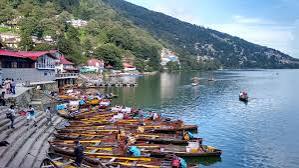
- The Sight of a Reflection (Visual): Look at the emerald-green lake, the reflection of the surrounding hills, and the distant, snow-capped peaks on a clear day. As the sun rises and sets, the light plays on the water, turning the lake into a canvas of shifting colors.
- The Feeling of Calm (Emotional): Feel the cool, crisp mountain air on your skin. The peace you feel here is a direct result of being completely immersed in the beauty of the lake, with the mountains as silent witnesses to your quiet introspection.
Finding “Sukoon Ke Pal” in a Moment:
The key to finding peace in Nainital is to embrace its slow, contemplative spirit:
- The Rowboat Ride: Take a rowboat ride on the lake in the early morning or late evening. This is not just an activity; it’s a moving meditation. Let the boatman row you slowly as you sit back and watch the world go by, one quiet ripple at a time.
- Walk the Shoreline: Take a walk on the quieter side of the lake, the
Thandi Sadak. This secluded path, shaded by trees, offers uninterrupted views of the lake and a sense of profound solitude, away from the crowds of the main promenade. - Find a Vantage Point: Trek to one of the nearby viewpoints like Tiffin Top or Naina Peak. The sense of accomplishment combined with the breathtaking panoramic view of the lake and the entire town is a powerful source of calm and peace.
Tips for Savoring the Nainital Experience:
- Best Time to Visit: The monsoon season (July to September) is the most magical and quietest time to visit. The hills are lush green, and the clouds and mist give the town a mystical, dreamlike ambiance. For clearer views of the mountains and pleasant weather, October to November is ideal.
- Be Prepared: The weather can change quickly. Pack warm clothing and a good rain jacket, especially during the monsoons.
- Support the Community: The local boatmen, guides, and shopkeepers are the heart of Nainital. Engage with them respectfully and consider supporting local artisans and businesses.
Embrace the beautiful, quiet power of this incredible place. By mindfully connecting with the lake of quiet, you will surely discover your own moments of “Sukoon Ke Pal.”