

The Lakeside Lullaby: Finding “Sukoon Ke Pal” in Mulshi, Pune
Introduction:
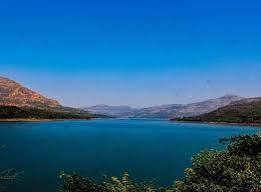
Just a short, scenic drive from the bustling city of Pune lies a sanctuary of rolling hills, misty forests, and a vast, placid lake. Mulshi is a well-kept secret of the Western Ghats, a place where the air is fresh, the landscape is an emerald green, and the silence is a soothing balm for the soul. It is a destination that proves peace isn’t just a destination, but a state of mind that can be found by a tranquil body of water. To journey here is to find a unique sense of “Sukoon Ke Pal” (the serene harmony of a lakeside retreat).
A Canvas of Green and Blue: Why Mulshi Is So Special
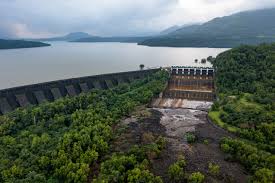
- The Dam That Created a Lake: The Mulshi Dam, built on the Mula River, is the centerpiece of this beautiful landscape. The dam’s backwaters have created a sprawling lake that mirrors the sky, the hills, and the clouds, creating a breathtaking canvas of blues and greens.
- The Monsoon Magic: While Mulshi is beautiful all year round, it truly comes alive during the monsoon season. The hills turn a vibrant shade of green, and countless waterfalls cascade down the cliffs, shrouded in a soft, ethereal mist. The entire landscape feels rejuvenated and fresh, a powerful antidote to the urban grind.
- An Oasis of Untouched Nature: Despite its proximity to a major city, Mulshi has managed to retain its raw, rustic charm. Its charm lies not in man-made attractions, but in the simple beauty of its hills and water. It’s a place where you can witness the unhurried rhythm of nature.
A Sensory Immersion: Engage with the Lake’s Serenity:
To find peace in Mulshi, you must let your senses guide you:
- The Sound of Quietude (Auditory): Listen. The only sounds you will hear are the gentle lapping of the water, the rustling of leaves in the breeze, and the distant call of a bird. This natural soundtrack is profoundly calming, a welcome change from the constant noise of city life.
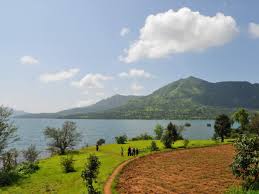
- The Sight of Green (Visual): Look at the hills. They are a rich tapestry of deep greens and browns, a sight that soothes the eyes and the mind. Watch the clouds play hide-and-seek with the hilltops and the mist slowly creep across the water in the early morning.
- The Scent of the Earth (Olfactory): After a light rain, the air fills with the fresh, earthy scent of wet soil and lush foliage. This
petrichoris one of nature’s most soothing aromas and a hallmark of the Mulshi experience. - A Feeling of Belonging (Emotional): Standing by the water, you feel a sense of harmony. The gentle breeze, the vast expanse of the lake, and the grandeur of the hills make you feel like a small but integral part of this natural landscape.
Finding “Sukoon Ke Pal” in a Moment:
The key to finding peace in Mulshi is to embrace its simple, natural offerings:
- Go on a Lakeside Walk: Find a quiet path by the water’s edge. Take a slow, mindful walk, breathing in the fresh air and letting your thoughts settle with each step.
- Watch a Sunset: Find a secluded spot and sit as the sun dips below the horizon. The colors of the sky reflecting on the still water are a sight of pure magic and a perfect moment for quiet contemplation.
- Take a Boat Ride: Rent a small boat or kayak and paddle out onto the lake. The feeling of gliding across the water, with the hills and the sky as your only companions, is a deeply peaceful and liberating experience.
Tips for Savoring the Mulshi Experience:
- Visit During Monsoon: While it’s a great spot year-round, the monsoon season (June to September) is when Mulshi is at its most beautiful.
- Stay in a Lakeside Cottage: To truly immerse yourself in the experience, consider staying at a farm stay or a small resort right by the lake. Waking up to the view of the water is an unforgettable experience.
- Explore Nearby Tamhini Ghat: The drive through the winding roads of Tamhini Ghat is an adventure in itself, with countless small waterfalls appearing during the monsoon.
Embrace the serene beauty of this lakeside retreat. By mindfully connecting with the lakeside lullaby, you will surely discover your own moments of “Sukoon Ke Pal.”