

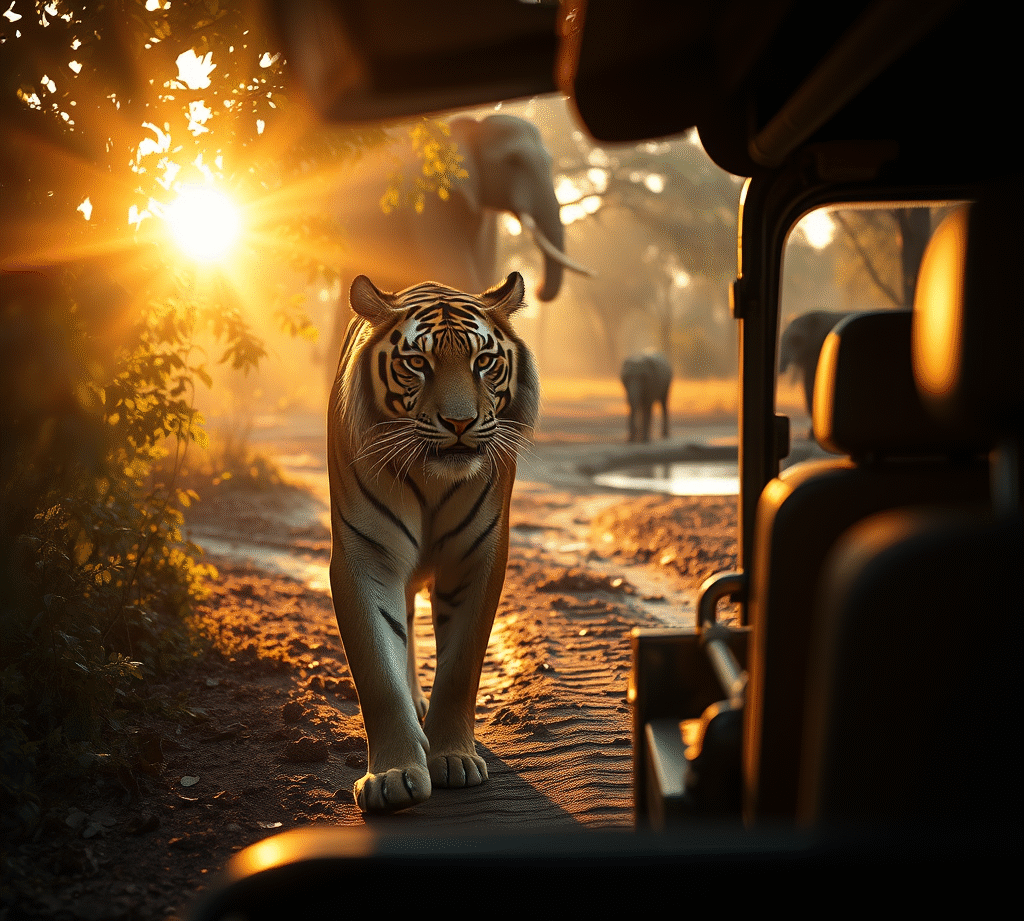
The Ultimate Guide to India’s Wildlife Safaris
Meta Description
Discover India’s top wildlife parks, the best time to spot tigers, rhinos, and more, and how to bundle a Himalayan lakes‑to‑safari itinerary. Your complete insider guide to a memorable Indian wildlife adventure.
Table of Contents
1. Why India’s Wildlife Treasures Matter
2. Top 7 National Parks & Their Signature Species
3. UNESCO World Heritage Parks in India
4. Safari Styles Explained – Which One Is Right For You?
5. When to Go – The Ultimate Seasonal Calendar
6. Adventure‑to‑Eco‑Pairs: Uttarakhand + National Parks
7. Step‑by‑Step Booking Made Simple
8. Local & Conservation Tips
9. FAQs – Your Quick Answers
1. Why India’s Wildlife Treasures Matter
India’s forests are living classrooms for biodiversity. From the jaguar‑free corridors of the Western Ghats to the tidal mangroves of the Bay of Bengal, each park hosts species that are national icons or critical to global wildlife health. A trip here is more than a photo‑op; it’s a chance to support community‑run protection, help beat poaching, and counter climate change, all while getting to see animals in their natural homes.
2. Top 7 National Parks & Their Signature Species
| Park | Location | Signature Species | Unique Experience | Best Visiting Window |
|---|---|---|---|---|
| Jim Corbett | Uttarakhand | Bengal Tiger, Indian Elephant | Open Jeep & Elephant Safari, Night Safari | Nov‑Jun & Mar‑May |
| Bandhavgarh | Madhya Pradesh | Tiger (incl. White Tiger) | Night Safari, Fort Visit | Mar‑Jun & Oct‑Apr |
| Kanha | Madhya Pradesh | Tiger, Black Buck, Asian Elephant | Long Trekking Zones, Bird Watching | Mar‑May & Oct‑Jun |
| Gir | Gujarat | Asiatic Lion | Warm‑Weather Safari, Elephant Ride | Oct‑Jun |
| Kaziranga | Assam | One‑Horned Rhinoceros, Ganges Dolphin | Tree‑House Stay, Night Sauna | Apr‑Jun & Oct‑Jan |
| Sundarbans | West Bengal | Bengal Tiger, Salt‑Water Crocodile | Boating in Mangroves, Canopic Walk | Oct‑Apr |
| Bharatpur | Rajasthan | Parsis, Swans, Hailstone | Bird Walk, Boat Ride | Oct‑Jun |
Short note: Dawn safaris start early to beat the heat. Double‑check exact timings on each park’s site before you head out.
2.1 Jim Corbett – Tiger & Elephant Wonderland
- Why it’s a must: The reserve dates back to 1867 and stretches over 1,341 km². It’s even up for UNESCO World Heritage status.
- Best tiger sighting: Arrive early (5:30–7:00 a.m.) for the *haulabor*, when tigers play their hunting rhythm.
- Conservation project: The *Balwan Singh Jha Community Project* trains villagers as “Tiger Guardians,” turning the local workforce into wildlife stewards.
2.2 Bandhavgarh – The “Tiger’s Playground”
- Density advantage: With 28.76 tigers per 1,000 km² it ranks highest in India.
- White Tigers: Spotting these rare gems is a highlight— only about 1,500 exist worldwide.
2.3 Kanha – The Black‑Buck Capital
- Expansive corridors: 1,640 km² of untouched forest. Four villages lie in its heart, giving you a taste of “living village” life.
- Birding hotspot: Nearly 600 species call Kanha home— a dream for weekend board‑birders.
2.4 Gir – Where Lions Roam Free
- Largest lion pride: Over 500 lions roam freely, and the *Lion Hidden in the Jungle* project uses drones to map their movements.
- Morning magic: Sunrise over the *Bhuvaneshwar Hills* paints the savanna in mist‑strewn light— picture tigers lounging in the shade as the sun climbs.
2.5 Kaziranga – The Rhino Capital & Ganges Dolphin Haven
World‑heritage status (1974).
Tree‑house stays: Glamping comes alive in *Rohini Chatushtayi*, letting you sleep under a twisted banyan tree.
2.6 Sundarbans – The Mangrove Marvel
Beyond tigers: Home to Bengal’s *Giant Salt‑water Crocodiles* which can be spotted during guided “Crocodile Detectives” tours.
2.7 Bharatpur – The Birdwatcher’s Paradise
Annual “Hailstone” festival: In January‑February the park gets 30–60 m of rain, bringing a staggering influx of birds in a dramatic spectacle.
3. UNESCO World Heritage Parks in India
| Park | UNESCO Status | Year | Highlights |
|---|---|---|---|
| Kaziranga | Yes | 1974 | Rhino, Dolphins, Pristine Forest |
| Sundarbans | Yes | 1980 | Largest tidal mangrove forest, Tiger & Crocodile |
These sites enjoy added protection and a shared dedication to eco‑tourism. The money spent on tickets feeds directly into conservation initiatives and community projects.
4. Safari Styles Explained – Which One Is Right For You?
| Safari Type | What It Is | Best For | How to Book |
|---|---|---|---|
| Open Jeep Safari | 4×4 ride on park roads | First‑time explorers | Book at the park counter or through a trusted operator |
| Night Safari | Guided drive after sunset | Thrill‑seekers | Reserve 2–3 hrs once the sun dips; comfy clothes help |
| Elephant Safari | Elephant ride through forest & water | Families, older adults | Available only at Jim Corbett and Sundarbans |
| Boat Safari | River‑boat cruise in Periyar or Ganges | Birdwatchers & marine‑life lovers | Book with license‑verified operators |
| Tree‑House Stay | Overnight in a forest‑clad cabin | Luxury eco‑tourists | Reserve at official park hotels |
Tip: Elephant safaris are prohibited in savannah parks to protect elephants’ natural behaviors.
5. When to Go – The Ultimate Seasonal Calendar
| Month | Best Parks | Why? |
|---|---|---|
| January–February | Bharatpur (Bird), Sundarbans (Anti‑monsoon) | Crisp evenings, peak bird migrations |
| March–April | Jim Corbett, Bandhavgarh, Kanha | Vegetation rids, tiger activity up |
| May–June | Gir, Kaziranga | Early mornings cool the heat |
| July–September | All (avoid peaks); watch out for cyclones in Sundarbans | Monsoon hushes daily safari bustle |
| October–November | Jim Corbett, Kanha, Sariska | Birding season, calm weather |
Pro‑tip: Start at Uttarakhand’s Nainital in October–November for sky‑clean lakes, then head to Jim Corbett the next day for bright, crisp air and better tiger visibility.
6. Adventure‑to‑Eco‑Pairs: Uttarakhand + National Parks
| Destination | Experience | Why It Works |
|---|---|---|
| Nainital + Jim Corbett | Lakeside relaxation ➜ Jungle safari | The high‑altitude chill from Nainital primes you for a longer walk in Corbett |
| Ranikhet + Kanha | Scenic trekking ➜ Tiger spotting | Ranikhet’s “Raja‑tirth” roads feed directly into the Kanha–Chhattisgarh corridor |
| Rishikesh + Bharatpur | Yoga in ashrams ⊕ Birdwatching | Labyrinth of ashrams meets wild migration in tropical wetlands |
Custom packages
- 7‑Day “Wildshire”: Nainital (3 days) → Jim Corbett (2 days) → Return (2 days)
- 10‑Day “Eco‑Horizon”: Ranikhet → Kanha → Morena (mild wildlife) → Back to Ranikhet
Make sure you book via operators who handle park permits, transport, and a luggage‑free shuttle from the start.
7. Step‑by‑Step Booking Made Simple
- Pick the park(s) – match the season to your interests.
- Check path & entry fees – each park’s website or the India Parks India portal has up‑to‑date info.
- Choose a trusted operator – TripNight, MakeMyTrip, or Viator offer integrated permits.
- Secure accommodation – options range from local homestays to tree‑house resorts.
- Arrange transport – private car, state rail, or pre‑booked bus fits most budgets.
- Pack smart – camera, binoculars, sunscreen, hat, insect repellent, solid raincoat.
Many operators bundle All‑Inclusive packages featuring food, transport, park permits, and a handy pocket guide PDF—grab that free download if you want a handy reference.
8. Local & Conservation Tips
| Tip | Why it matters | Example |
|---|---|---|
| Follow the park rules | Keeps wildlife safe and habitats intact | Stay inside your vehicle; avoid touching animals |
| Prefer eco‑friendly cosmetics | Reduces scent and plastic waste | Stick to natural soaps, avoid perfumes with micro‑plastics |
| Mind your guide | Guides earn fair wages and carry first‑aid kits | A local guide will spot a rusted rivet on a fence you’d miss |
| Take your trash home | Litter busters clog waterways and harm animals | Leave a plastic bag in the bag of recycled materials |
| Learn about the flora | Deepens appreciation for ecosystems | Noticing orchid varieties in Kanha can change your whole safari story |
9. FAQs – Your Quick Answers
Q1. Can I bring my own food into the park?
A: Most parks require you to eat in designated restaurants or bring non‑perishable, packable items for remote camps.
Q2. Are dogs allowed?
A: Pets are generally banned to protect wildlife. Check each park’s “Pet Policy” before you travel.
Q3. What if the weather is bad?
A: Safari tickets are rarely refundable, but many operators offer a “weather‑swap” within 24 hrs.
Q4. How can I help conservation?
A: Pick operators certified in sustainability, and consider donating to local NGOs.
Q5. Is it safe to go in January?
A: Yes—just layer up. Uttarakhand’s mornings can feel chilly.
Final Thought
India’s wildlife parks fuse breathtaking animals, rich culture, and urgent conservation. Pair a splash‑free lakes escape in the Himalayas with a thrilling safari, and you’ll weave a memorable adventure that touches heart and ecology alike.
Ready to book? Hit the “Plan Your Indian Safari” button below, choose your park, and add a few extra days for Uttarakhand’s crystal lakes. Let’s turn a travel dream into an eco‑friendly reality.
Disclaimer: Prices, season windows, and permits can change. Double‑check each park’s official website before you go.
Book Now
Reserve your Safari (via Partner Website)
Download our free “India Wildlife Park & Trade‑Map PDF” for ticket fees, online portals, and the best times to see each species.
*Author: [Your Name], SEO Content Strategist & Wildlife Travel Enthusiast.*