

The Water’s Rhythm: Finding “Sukoon Ke Pal” at Hogenakkal Falls
Introduction:
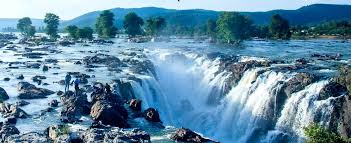
Where the mighty Kaveri River carves its path through a rugged landscape of ancient carbonatite rocks, a powerful symphony of nature unfolds. Welcome to Hogenakkal Falls, a majestic cascade often hailed as the “Niagara of India.” Here, peace is not found in stillness, but in the mesmerizing, rhythmic flow of water. To journey here is to surrender to nature’s raw power and discover a profound sense of “Sukoon Ke Pal” (the tranquil peace of a natural symphony).
A Geological Marvel: Why Hogenakkal Is So Special
- The
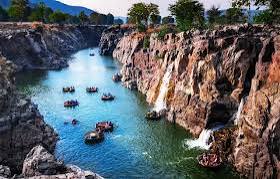
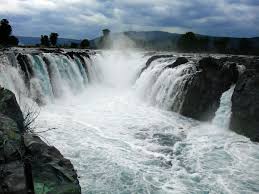
Smoking Rocks: The name “Hogenakkal” translates to “smoking rocks” in Kannada, a fitting description for the misty vapor that rises as the water crashes against the rocky terrain. This ethereal mist, along with the thundering sound of the falls, creates an immersive experience that engages all your senses. - A Coracle Journey: The highlight of Hogenakkal is the unique coracle boat ride. These traditional, round basket boats, known as
parisals, are a testament to local ingenuity. Gliding along the river, you are taken to the very heart of the falls, experiencing a thrill and a deep sense of peace as the boat navigates the powerful currents and the calm, serene stretches of the river. - Ancient Landscapes: The river at Hogenakkal flows through some of the oldest carbonatite rocks in Asia, a geological wonder that adds a layer of timelessness to the landscape. The multiple cascades, carved over millennia, create a breathtaking view that reminds you of the immense power and patience of nature.
A Sensory Immersion: Engage with the Falls’ Serenity:
To truly find peace in the heart of Hogenakkal, you must open yourself to its unique sensory rhythm:
- The Sound of the Falls (Auditory): The first thing you notice is the powerful roar of the falls, a continuous hum that fills the air. It is a humbling sound that drowns out all other thoughts, allowing your mind to quiet and find a meditative focus on the present moment.
- The Feeling of Mist (Tactile): As you approach the falls in your coracle, the cool, refreshing mist touches your skin. This natural spray, a gentle reminder of the falls’ power, is a rejuvenating sensation that washes away stress and leaves you feeling invigorated.
- The Sight of Flowing Life (Visual): Look at the endless, cascading water, the deep green of the surrounding trees, and the unique, round shape of the coracles. The sight of local fishermen going about their daily lives adds a layer of quiet, human existence to the grandeur of nature, creating a harmonious and peaceful scene.
Finding “Sukoon Ke Pal” in a Moment:
The key to finding peace at Hogenakkal is to let go of control and surrender to its natural rhythm:
- The Coracle’s Gentle Sway: Let your boatman expertly navigate the currents and enjoy the ride. The gentle rocking of the coracle on the calm water provides a unique feeling of being one with the river, a profound moment of quiet surrender.
- A Refreshing Dip: The waters of Hogenakkal are believed to have therapeutic properties. A short, refreshing dip in a designated bathing area is not only a great way to cool off but also a moment of physical and mental rejuvenation.
- Embrace the Local Rhythm: Find a local vendor and try the fresh fried fish. Sit by the riverbank and observe the unhurried lives of the locals. By immersing yourself in their simple, peaceful existence, you can truly connect with the soul of Hogenakkal.
Tips for Savoring the Hogenakkal Experience:
- Best Time to Visit: Visit during the post-monsoon season, from October to February, when the water flow is at its peak and the weather is pleasant.
- Stay Safe: Always wear a life jacket during the coracle ride and be cautious on the slippery rocks near the falls.
- Go on a Weekday: Hogenakkal can get crowded on weekends. For a more peaceful and personal experience, plan your visit for a weekday.
Embrace the beautiful, powerful flow of this incredible place. By mindfully connecting with the water’s rhythm, you will surely discover your own moments of “Sukoon Ke Pal.”