

The Word Garden: Finding “Sukoon Ke Pal” at the Jaipur Literature Festival
Introduction:
In the heart of the Pink City, as the winter sun casts a gentle glow on its forts and palaces, a different kind of magic unfolds. The Jaipur Literature Festival (JLF) is a temporary city built on ideas, a vibrant gathering where the world’s greatest minds and most celebrated writers converge to talk, debate, and share. It is a festival that proves peace isn’t just found in silence, but in the harmonious flow of thoughtful words and the collective pursuit of knowledge. To journey here is to find a unique sense of “Sukoon Ke Pal” (the tranquil harmony of a literary retreat).
A Feast of Ideas: Why JLF Is So Special
- The “Greatest Literary Show on Earth”: Widely acclaimed for its scale and diversity, JLF is a democratic platform that brings together Nobel laureates, Booker Prize winners, politicians, journalists, and entertainers. This rich tapestry of voices and perspectives is a powerful intellectual force, and just being in the midst of it is an inspiring experience.
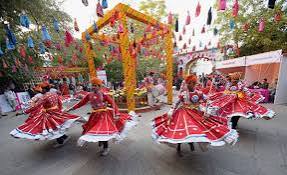
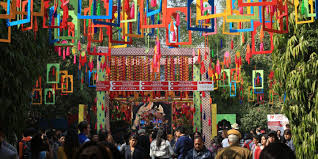
- A Backdrop of Grandeur: While the venue has changed, the festival’s spirit remains tied to the historical grandeur of Jaipur. The beautiful, open-air courtyards and stages become a
mandapfor ideas, adorned with colorful, traditional Rajasthani decor that celebrates the region’s vibrant heritage. - An Oasis of Contemplation: Despite the large crowds, JLF is a place where you can find profound peace. It comes from the quiet of a rapt audience, the shared feeling of being in the presence of a beloved author, and the humbling realization that a single book can hold a universe of ideas.
A Sensory Immersion: Engage with the Festival’s Serenity:
To truly find peace in JLF, you must open your senses to its energy:
- The Sound of Thought (Auditory): Listen. The air is filled with a thousand conversations, but the most powerful sound is the collective silence of thousands of people listening intently to a single speaker. The intelligent debates, the laughter, and the thoughtful questions are a beautiful symphony.
- The Colors of
Rajasthan(Visual): Look at the vibrant backdrop. The colorful stages, the intricate fabrics, and the sun-drenched courtyards create a mesmerizing visual feast. The sea of faces, filled with curiosity and passion, is a beautiful sight in itself. - The Warmth of Community (Feeling): The atmosphere is one of shared passion. You feel the warmth of the winter sun and the warmth of a community united by a love for stories. Finding a seat on the grass, surrounded by fellow book lovers, creates a sense of belonging that is deeply comforting.
Finding “Sukoon Ke Pal” in a Moment:
The key to finding peace in JLF is to surrender to the flow of ideas and embrace the small, beautiful moments:
- Arrive Early: The most popular sessions fill up quickly. Arriving early not only guarantees a good seat but also gives you a quiet moment to sit and absorb the morning air before the crowds descend.
- Take a Break: Find one of the many cafes or quiet corners in the venue. Sip on a
kulhad chai(earthen cup tea) and reflect on the ideas you’ve just heard. This little moment of personal peace is vital to processing the intellectual stimulation. - Visit the Book Shop: The festival has an incredible pop-up bookstore. Spend time browsing the aisles, discovering new authors, and feeling the quiet joy of holding a physical book in your hands.
Tips for Savoring the JLF Experience:
- Go on a Weekday: The festival is at its busiest on weekends. For a more peaceful experience, visit on a Thursday or Friday.
- Dress Comfortably: Wear warm, layered clothing, as the mornings and evenings can be chilly, and comfortable shoes for walking between stages.
- Be Open: Don’t just go to see your favorite author. Be open to attending a session on a topic you know nothing about. The most peaceful moments are often found in the quiet discovery of a new idea.
Embrace the beautiful, intellectual power of this incredible place. By mindfully connecting with the words of a garden, you will surely discover your own moments of “Sukoon Ke Pal.”